You’ve likely heard that the human body is largely made up of water – the exact percentage varies considerably based upon age and sex (1). And, it’s common diet knowledge that many of us don’t drink enough water, which can actually slow weight loss or even lead to weight gain. How can water help us? Exactly what counts as water in our diet? How much do we need to drink daily? Can you ever drink too much water?
Signs of mild to moderate dehydration include: thirst sensation, dry or sticky mouth, decreased urine output, dark yellow urine, dry cool skin, headache, and muscle cramps (2). Increase your fluids and check with your medical provider for further steps. Don’t delay, as dehydration can be serious.
Water & Weight Loss
Although increasing your water intake will help you with your weight maintenance, it will take more than one healthy habit to achieve success. Still, it can make a noticeable difference for these reasons:
- Your resting energy expenditure (REE) will increase by about 25% within 10 minutes of drinking water and this continues for about an hour. It’s most helpful if the water is cold because your body has to bring it up to your normal body temperature. It actually can amount to a 4 pound weight loss yearly – with no other changes to your routine – if you drink an additional 17 ounces of water daily (3).
- Drinking water before meals helps reduce appetite in middle aged and older people (this has not been statistically proven for younger people). Studies show a significant improvement in weight loss – up to 44% more (3).
- Drinking more water is linked with lower caloric intake, likely because it can become a replacement for sugary drinks. This is especially true for young people (3).
- Water is an essential part of the process in breaking down fat. “Stored fat is broken down by the body into glycerol and free fatty acids for the body to use as fuel. Without adequate water, the body may not be as efficient when breaking down this energy source, thus making it harder to achieve the weight-loss goals you want” (4).
- Your workouts will be supported by drinking more water. Water is needed for all parts of your body to function properly, and since you lose fluids during exercise, it becomes crucial for your health. Try drinking before, during, and after working out. It will help prevent muscle cramps and fatigue (5).
Want to know more about REE? Check this post: https://lindawbrowning.com/2023/02/27/basal-metabolic-rate-resting-energy-expenditure-calculations-and-accuracy/
Water Options
The exact amount of water that a person needs is highly variable, and can even change daily. It will depend upon your activity level, age, sex, body size, diet, and health conditions, as well as environmental factors like temperature, humidity, altitude, and sun exposure (5 and 6). Recommendations vary widely, from as little as 1 liter (34 ounces) to 3.7 liters (125 ounces) daily (3 and 4). Not very exact guidelines, but it’s a starting point I suppose! Be certain that you don’t have any of the dehydration symptoms listed above at a minimum.
Can you drink too much water? Yes, but it’s not easy! Water toxicity can occur if you drink too much water in a short time. It can cause tissues to swell, even putting pressure on your brain. Your kidneys can only excrete 0.8 to 1.0 liters (24-27 ounces) per hour (1). Be cautious about drinking excessive water too quickly. Check with a trainer or medical provider if you have unusual water needs.
Many of us find drinking plain water to be a bit tiresome. Let’s keep things interesting by finding new ways to enjoy drinking our water. Here are some ideas:
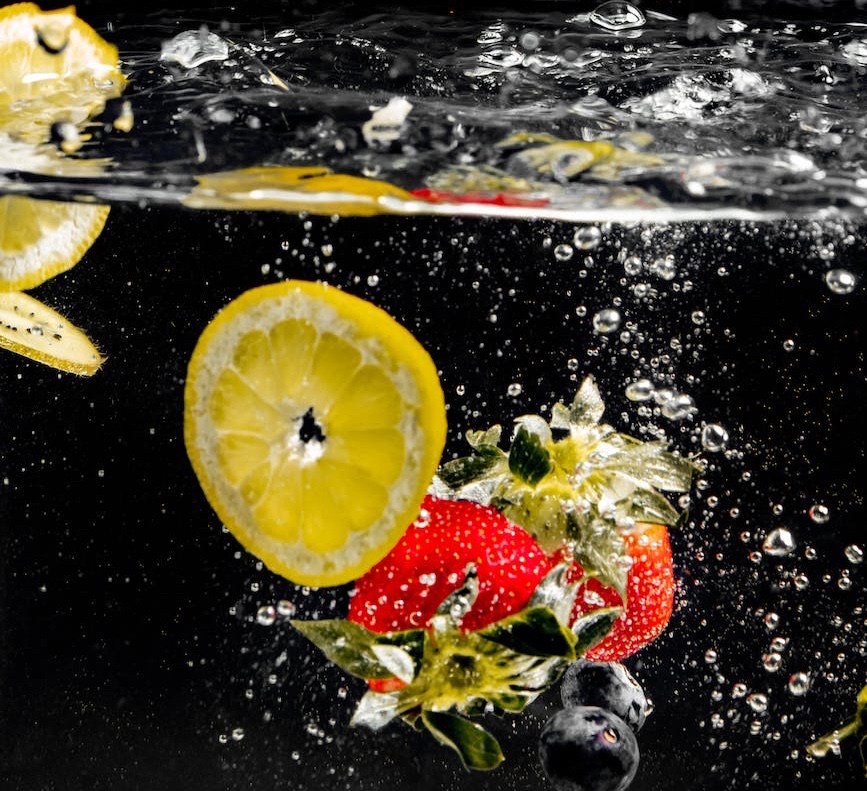
- Add fresh fruit slices to your water.
- Try pouring a small amount of a sugar free juice into your water.
- Get creative with ice – including adding herbs or bits of fruit to an ice cube tray. Freeze and enjoy in your glass of cold water (7).
- Caffeine free herbal teas, iced or hot, are a healthy alternative to water. Some would add caffeinated beverages to our substitutes list (8), but I feel doubtful about this. Ask your medical professional to get their opinion to be safe.
- Some experts include the liquid content found in fruits, vegetables, and dairy products as well (8).
- Drink from cups, glasses, or containers that you enjoy – you may drink more.
- If you often forget to drink enough water, set a timer or keep your beverage nearby as a reminder.
Take a look at this great video from Sweet Pea Chef that explains how much water we need, shares ideas on how to drink more water, and best of all, shows 5 recipes for infused water.
You are largely made up of it. You can only survive a few days without it. Water is essential to life, and is an important part of maintaining our healthy weight.
(2). https://amoryurgentcare.com/how-do-i-know-if-im-drinking-enough-water/
(3). https://www.healthline.com/nutrition/drinking-water-helps-with-weight-loss#TOC_TITLE_HDR_2
(4). https://www.eatingwell.com/article/8023901/drinking-water-to-lose-weight/
(7). https://www.everydayhealth.com/water-health/drinking-water-taste.aspx
(8). https://www.webmd.com/parenting/features/healthy-beverages
 Maintain Weight Loss