A craving is a strong eating motivation for a specific type of food. At times we can feel a compulsion to eat these particular foods even when we are not hungry (1). Let’s look at why we have cravings, and what we can do to help decrease their influence over our eating choices.
Cravings “actually involve a complex interplay of factors: brain messages, behaviors that become habits over time, and having easy access to food. Animal and human studies have shown that foods that stimulate the reward regions of the brain influence our food choices and eating behaviors. When we eat certain foods, the neurons in the reward region become very active, creating highly positive feelings of pleasure so that we want to keep seeking these foods regularly…Hyperpalatable foods can stimulate the release of metabolic, stress, and appetite hormones including insulin, cortisol, dopamine, leptin, and ghrelin, all of which play a role in cravings” (2).
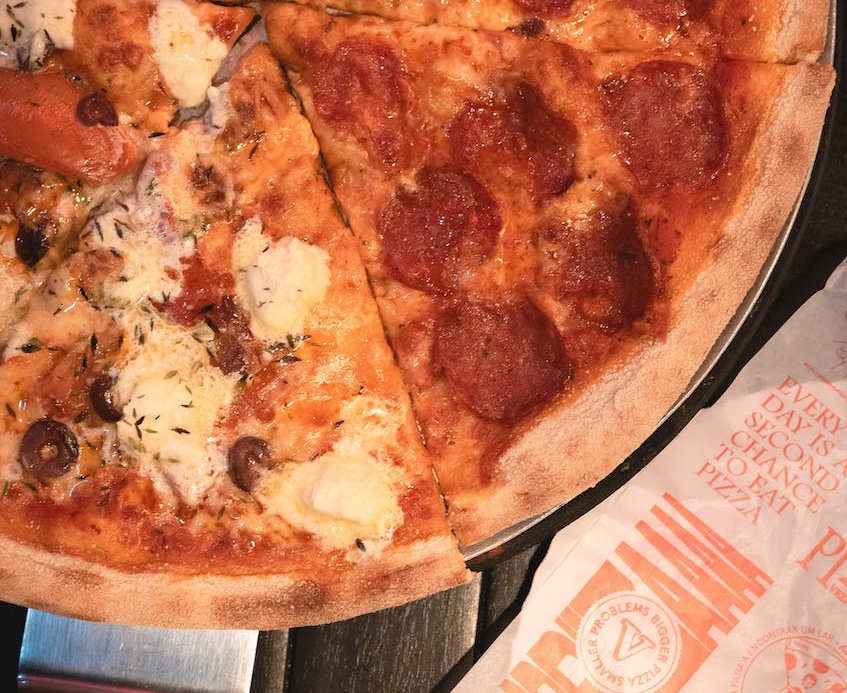
Have you ever wondered which foods are most addictive? A University of Michigan study on cravings found that the most addictive foods (in descending order) were: pizza, chocolate, chips, cookies, ice cream, French fries, cheeseburgers, soda (not diet), cake, and cheese. Least addictive were: strawberries, corn (no butter or salt), salmon, banana, broccoli, brown rice (plain), apple, beans (no sauce), carrots, cucumber (no sauce). As you can see, highly processed/refined foods are craved more often. In general, they contain more carbohydrates and fat than the least addictive foods (3).
Cravings are a very real phenomenon that have both biological and psychological components. Should we suppress our cravings, or act on them? Should we find healthier food substitutes, or look for other activities and redirect our attention there?
There are many different answers to these questions, ranging from intuitive eating, where you allow yourself to eat what you’re craving, to avoidance, so that you do not trigger or reinforce future cravings. Let’s look at a few of these ideas so we can find what might work best for each of us.
- Acknowledge your craving and consider why you have this urge for a specific food. Where does it come from, and how can you address it? Try drinking a glass of water, taking a nap, going for a walk, visiting with a friend, or relaxing in a warm bath. If after trying these or other options your craving persists, allow yourself to enjoy the food you’re craving, but in a controlled and mindful manner (4).
- Start a special cravings journal, listing the time of day, explaining your feelings, and describing what and how much you ate. Continue journaling for about a month, looking for patterns. Try to discover what brings on your cravings (5).
- Choose to eat healthier alternatives to your cravings. “Craving a grilled cheese sandwich? Make it with whole-wheat bread and reduced-fat cheddar. Craving chocolate cake? Make it from scratch, substituting whole-wheat flour for half the white flour” (5) and cutting back on sweeteners and fats.
- How little is enough? “Dr. Judson Brewer, an associate professor at the Brown University School of Public Health…told the story of a patient who routinely ate a full bag of potato chips while watching a favorite TV show with her daughter. Instead of discouraging her from eating the chips, Dr. Brewer advised her to pay attention to every single chip she ate and to notice how many chips it took to feel satisfied. Just a few weeks later, the woman reported she had slowly reduced her chip habit, and now her craving was satisfied after the second potato chip” (6).
- Reducing your stress level will likely reduce your cravings (7). Easier said than done, right? But some ideas that may help include exercise, meditation, journaling, aromatherapy, herbal tea or supplements, and time spent with animals (8).
- Getting adequate sleep and exercise can lessen cravings. Both sleep and exercise can help to keep hormones in balance, like leptin, ghrelin, and glucagon-like peptide (2).
- Eat nutritionally balanced meals, and eat often (3-4 hours should be the longest stretches without food). Foods with protein and fiber will keep you full longer (2). Do not allow yourself to become extremely hungry which can trigger overeating.
- Avoid visual eating cues like social media stories and photos or videos about food or eating. Stay away from tempting snack machines or break room treats (2).
I hope that you found some new ideas on how to address cravings. Please share any techniques that have worked for you. Together, we will find new ways to maintain our healthy weight.
(1). https://examine.com/articles/where-do-cravings-come-from/
(2). https://www.hsph.harvard.edu/nutritionsource/cravings/
(3). https://journals.plos.org/plosone/article?id=10.1371/journal.pone.0117959
(5). https://www.webmd.com/diet/features/the-facts-about-food-cravings
(6). https://www.nytimes.com/2022/01/10/well/eat/food-cravings-strategies.html
(7). https://www.medicalnewstoday.com/articles/318441#how-to-reduce-cravings
(8). https://www.medicalnewstoday.com/articles/322396#other-treatment-options
 Maintain Weight Loss
2 thoughts on “Dealing With Cravings”