Featured

Dealing with Disappointment

What happens when your third race is your slowest race? My first 5K was 45 minutes, and my second one was 44 minutes. My third 5K was 46 minutes. Do I know what happened? I have suspicions. I had slacked off on my training because one of my knees had been bothering me. I got an MRI a few days ago, so I had/have been taking it a little easy.

How did I get here? It feels disappointing to get better and better, only to then take several steps backwards. I have 2 more races scheduled – and the next one is in 2 weeks.

The other one is in 2 months and is very different from what I’ve been doing so far. It’s over an hour away and is mainly on a bridge, so it will be like a giant hill. I think that maybe I should go visit this bridge to see how steep it is. I don’t want a big surprise on race morning!

Interestingly, there may have been some medical reasons for my lackluster results. I did not know it at the time, but I had a large (most likely benign) tumor called a meningioma. Instead of truly enjoying the holidays, I ended up having brain surgery at the Mayo Clinic in Jacksonville, Florida. So just remember that there can be real reasons for disappointing performances! Pick yourself up the best you can and move forward.
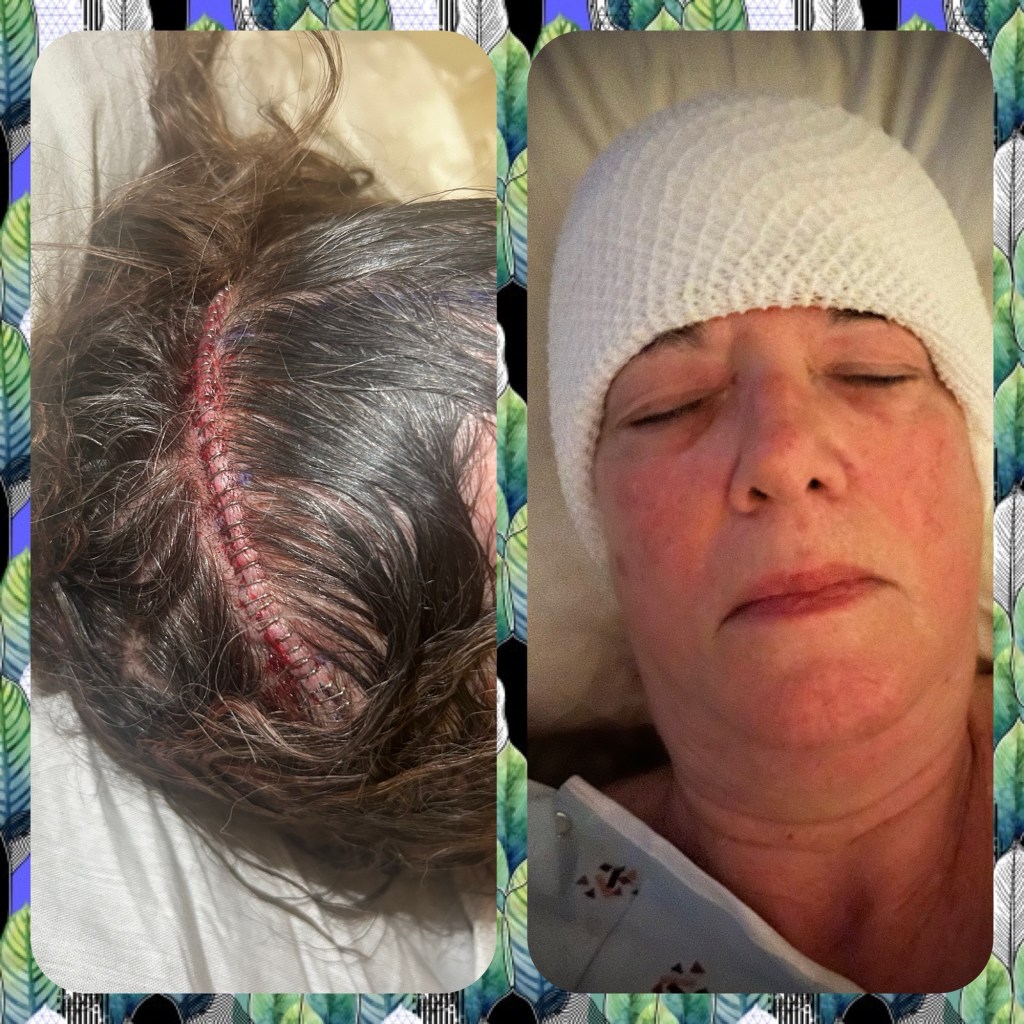
Just keep swimming – after your sutures have healed! You can not give up!

One other point about fitness: it can save your buttocks! This is 100% true for me. Brain surgery on Tuesday, out of the hospital on Thursday or Friday.

Epidemiological evidence has highlighted a strong relationship between cardiorespiratory fitness and surgical outcomes; specifically, fitter patients possess heightened resilience to withstand the surgical stress response. This narrative review draws on exercise and surgical physiology research to discuss and hypothesise the potential mechanisms by which higher fitness affords perioperative benefit. A higher fitness, as indicated by higher peak rate of oxygen consumption and ability to sustain metabolic homeostasis (i.e. higher anaerobic threshold) is beneficial postoperatively when metabolic demands are increased. However, the associated adaptations with higher fitness, and the related participation in regular exercise or physical activity, might also underpin the observed perioperative benefit through a process of homeostasis, a protective adaptive response to the moderate and intermittent stress of exercise. Potential mediators discussed include greater antioxidant capacity, metabolic flexibility, glycaemic control, lean body mass, and improved mood…Participation in regular exercise or physical activity confers many physical and mental health benefits. A common and important benefit is increased cardiorespiratory fitness. Low fitness is independently associated with a higher risk of developing cardiovascular and metabolic diseases, several cancers and psychological disorders such as anxiety and depression, amongst others…(1)

So, all this is to say that I hope you find greater health and fitness in 2024 and moving forward!

(1). https://www.sciencedirect.com/science/article/pii/S0007091222006328

A New Chapter

It’s been a long time since my last post. While I haven’t been writing my blog, I have been writing my book! Sales of the Kindle version began today here:

https://a.co/d/at2Wiga .

The paperback version will be published on April 11th. Hardcover to follow, but the printing costs for that one are a bit steep.

Much of the book will be familiar to readers of this blog, but the material has been edited for greater clarity. It’s also been updated, including current links. Maintain Weight Loss is organized and broken down into chapters so you can more easily find the topics of interest to you.

I hope you’ll take a look and let me know what you think!

Looking Backward to Move Forward

We can be inspired by anyone, from loved ones to new acquaintances to our own innermost thoughts and dreams. The important thing is to keep that inspiration alive – to keep moving forward on our journey to achieving and maintaining our health.

Today I had a conversation with one of my sisters and we discussed our old diet experiences. What a colorful history we’ve both had. Really it’s the definition of rollercoaster dieting!

See the blogpost The School of Hard Diets here: https://lindawbrowning.com/2023/01/22/the-school-of-hard-diets/

The seed of this idea took root: how can we look backward at our successes and failures with an eye towards self-improvement? How can we view our past trials – not as failures – but as part of our personal roadmap to progress?

I asked her what causes some of us to be successful in our weight maintenance, while others continue to struggle. And she replied that we must keep learning from our past errors to become successful. Falling down and making some questionable choices are all part of the cycle of dieting as well as other addictions. Many of us do face some sort of food addiction or deeply seated eating habits that we need to address.

As you look backward, when did you feel happiest with your physical and mental health? Can you form a picture of that time in your mind? What can you do right now that could move you in a good direction – back to that place of well being? Can you choose one thing to act upon?

Or, if you’ve never really felt that healthy, what is one change you can make right now that you know would be a positive in your life? It doesn’t matter if it’s a small change; in fact, that’s probably the best type of change to begin with!

Need some ideas? I’ve compiled a list of diet miscues that can help you out. Remember to change just one or two, live with your new habit, and then slowly add more improvements.

  • Eating a diet that’s overly restrictive (1)
  • Keeping unhealthy foods around your home or workplace (1)
  • Eating late at night (1)
  • Not eating enough to support your health or activity level (2)
  • Not getting enough fiber (2)
  • Drinking unnecessary calories (2)
  • Eating too many healthy foods/poor portion control (2)
  • Skipping a healthy breakfast (3)
  • Avoiding snacks completely (3)
  • Going through the drive-thru too often (3)

Next, look forward to a future when you have achieved better health. Continue to make the changes you feel will support the future you have visualized.

I hope that this post has sparked some new ideas for you! Any to share with the rest of us? Please comment below.

(1). https://www.health.harvard.edu/staying-healthy/5-mistakes-that-will-sabotage-a-healthy-diet

(2). https://www.eatthis.com/diet-mistakes/

(3). https://www.webmd.com/diet/ss/slideshow-diet-mistakes

In the News: Stress & Weight

Many of us like to indulge in comfort foods when we feel stressed. But the relationship between stress and weight gain includes many other factors beyond consuming a few extra calories.

“Researchers have long known that rises in the stress hormone cortisol lead to weight gain. Every time you’re stressed, your adrenal glands release adrenaline and cortisol, and as a result, glucose (your primary source of energy) is released into your bloodstream. All of this is done to give you the energy you need to escape from a risky situation…Once the threat has subsided, your adrenaline high wears off and your blood sugar spike drops. This is when cortisol kicks into high gear to replenish your energy supply quickly” (1).

Since it’s unlikely that we will need the energy to escape from a cave bear or saber-toothed tiger, we don’t need the weighty effects associated with increased cortisol.

In a study done on women in 2014, it was found that a stressful experience is associated with about 104 fewer calories burned. This can account for nearly 11 pounds annually (2).

In addition,

“Stress can also impact the hunger hormones leptin and grehlin, which send signals to your brain that determine how hungry you feel, says Adrienne Youdim, MD, an internist specializing in medical weight loss and author of the upcoming book Hungry For More. Basically, cortisol increases these other hormones so you’ll make sure to eat enough to, again, deal with any perceived threats. Unfortunately, these mechanisms that kept us alive in the past aren’t so useful when your stress is related to a relationship or your boss (threats that don’t require weight gain to survive)” (3).

Instead of completely skipping out on your favorite comfort foods, try to edit your recipes. If you’re feeling stressed, you may be craving that cozy, comforting mac & cheese. Can you upgrade your recipe by substituting a healthier whole wheat or high protein pasta in place of the highly processed white elbow macaroni? There are lower fat cheeses that can save calories but still provide that creamy goodness you are craving (3). Think about changes that won’t adversely affect taste but will save on calories.

Here are some of the ways that stress can lead to weight gain (4):

  • “by interfering with cognitive processes such as self-regulation
  • by increasing levels of hormones and chemicals involved in hunger…
  • by causing people to overindulge in foods that are high in calories, fat, and sugar
  • by disrupting sleep, which itself can contribute to weight gain
  • by depleting energy levels and causing people to engage in less physical activity” (4).

In addition, weight gain and stress can work in a cyclical manner:

“In our modern society, the prevalence of obesity is linked with an increase in the cortisol production which in turn increases chronic stress, intake of food with high sugar and fat content and less sleep” (5).

I’m sure you know of some people who lose weight when under stress – perhaps even you! This is also true of me, but in my case, the stress that leads to weight loss has to be extreme. Everyday stressors lead to more comfort food seeking and sedentary behavior. Stress can affect your gastrointestinal system, which may also lead to changes in eating (6).

Here are some ideas for reducing your stress level:

  • “breathing and relaxation techniques
  • meditating
  • exercising
  • listening to music or reading a book
  • practicing time management techniques
  • getting adequate sleep
  • talking to family and friends
  • practicing mindfulness
  • doing volunteer work and helping others
  • avoiding drugs and alcohol” (6).

I hope that some of these ideas will be useful for you. Let’s work together to maintain our healthy weight!

(1). https://www.verywellmind.com/how-stress-can-cause-weight-gain-3145088#

(2). https://www.biologicalpsychiatryjournal.com/article/S0006-3223(14)00385-0/fulltext

(3). https://www.womenshealthmag.com/weight-loss/a36522295/can-stress-cause-weight-gain/?

(4). https://www.medicalnewstoday.com/articles/stress-and-weight-gain#the-connection

(5). https://www.ncbi.nlm.nih.gov/pmc/articles/PMC9362746/

(6). https://www.medicalnewstoday.com/articles/stress-weight-loss

Climbing Out of a Slump or Hole

How to you get out of a slump – where you just don’t want to do anything? Looking at the photo above, we can see both a ladder and a helping hand – two ways out of the hole.

To quote Dr. Seuss, “When you’re in a Slump, you’re not in for much fun.
Un-slumping yourself is not easily done” (1).

Sometimes when we feel like we’re in a hole, we can’t perceive the way out. We are too close to the situation and feel overwhelmed. Perhaps a friend or other advisor can more objectively see a way out for us?

Here are some ideas that I’ve found:

  • Narrow your goals – having too many priorities is overwhelming in itself (2).
  • Get an attitude adjustment – easier said than done, right? Look for anything positive in your situation and find a bit of gratitude to hold on to (3).
  • Find inspiration from others – look around to see who is working on a similar goal and combine your efforts or learn from their successes (2).
  • Commit publicly to your goal – when I started this blog using my full name as the website address and posted about it on social media, a few people wondered about my choices. But I am all in! (2)
  • Cancel your pity party – by constantly telling others about your misfortune, you are likely prolonging your slump. It may be more helpful to let go (1).
  • Spend time boosting your spirits – positive people, favorite music, exercise, spending time in the sunshine, and helping others are all mood boosters (1 – 3).
  • Eat healthy food – have you eaten lately? You can’t expect to have energy without optimal fuel which includes complex carbohydrates and proteins – no processed foods here (3).
  • Drink enough fluids – but no sugary drinks please. Water, tea, and coffee are good options (3).
  • Come up with small, defined goals – they should be easily measurable (3).

It’s important to know that Dr. Seuss believed in us and in our innate resilience:

“On and on you will hike and I know you’ll hike far
And face up to your problems whatever they are…” (4).

Let’s take his advice and face the challenge of weight maintenance together!

(1). https://www.inc.com/chris-winfield/13-ways-to-break-out-of-any-slump-and-get-motivated.html

(2). https://www.lifehack.org/articles/communication/16-ways-get-motivated-and-break-out-the-slump.html

(3). https://www.wikihow.com/Get-Out-of-a-Slump

(4). https://www.solutionsforresilience.com/oh-the-places-youll-go/#

Self-Care: Recognizing the Importance of Recognition

I had an interesting experience recently. I attended the fall rally of central Florida TOPS Clubs where many members received special recognition for their losses over the past year.

I don’t normally put much stock in this type of thing, but I cannot deny that the rally gave me some extra motivation! I typically feel that recognition is kind of corny and a little over the top. I think that’s part of my background, to minimize my achievements because some people in my past seemed to exaggerate them, making me feel embarrassed.

But with TOPS Club, there’s a feeling of camaraderie – we are all in this together, even though we are unique individuals. No, I didn’t get a trophy, but I did get a pretty little charm and a silk flower. It’s nice to get little trinkets, even though they’re not amazing rewards!

Of course, I tried to find studies about weight loss and being recognized for your achievements. Mainly I found info on facial recognition software when searching this topic 😂 So I don’t have direct scientific evidence for this one!

However, I did read that non-food incentives are beneficial for encouraging weight loss (1). Financial rewards for exercise among college students were successfully used to incentivize activity (2). Love the title of the paper, to be published next year in Psychology of Sport & Exercise: Less stick more carrot? Increasing the uptake of deposit contract financial incentives for physical activity: A randomized controlled trial (2).

Let’s remember to reward ourselves on a regular basis as we maintain our healthy weight. Maintenance is just as important as weight loss, or perhaps even more so. Because there are no longer exciting milestones, it’s essential to recognize our on-going achievements to keep our motivation high!

(1). https://www.premierintegrative.com/blog/good-weight-loss-incentives-for-long-term-success

(2). https://www.sciencedirect.com/science/article/pii/S1469029223001565

Exercise: Racing?

(Written on October 7, 2023.) I ran my first 5K today! Ran is a bit of a stretch – I never stopped and never walked, so guessing that counts as running. That was my goal – to run the entire 3.10 miles. I didn’t have a time goal – just distance. I haven’t trained to go fast – just long. I don’t know my split time per mile because I forgot to pause my app at the end, but it was 46:28.5 minutes total for the 5K. That’s my normal pace, 4 miles per hour. I’m happy with that!

Running is obviously a strenuous activity, so please check with your healthcare provider before racing, especially if you’ve been inactive or have health conditions.

I learned so much from this experience:

  • Don’t stop to talk to someone on the sidelines. Some lady pulled up in her SUV and yelled something to me. I couldn’t hear her, so I moved over to her, a bit off the course, paused and asked her what she said. Apparently it was “Keep going!” Oops!
  • Bring my own water. No, they did not run out, but I’m used to sipping every 1/3 to 1/2 mile as my throat gets dry from all that heavy breathing. I only asked if there would be water, not how often there would be water stations.
  • Do not start at the back so as to not inconvenience others. Start around the middle I’d say. Although on the bright side, it was fun to pass by people!
  • It’s so much easier to drink from a water bottle than a paper cup. Plus I felt that I had to carry that cup around with me. Didn’t want to litter! Slowing down to sip adds a bit of time.
  • Don’t turn around and run backwards to see who is behind you. I didn’t get hurt or anything – I was lucky! Still, this would add a little time. Fun to do though.

Great to experience doing a race that was not stressful – it was fun 🤩 I was a little nervous the day before, but it was very low key. They were very kind to me as a breast cancer survivor. Really, they were kind to everyone but they made me feel special.

Will I do this again? Absolutely! I already had a race scheduled for December, but I just added another for Halloween. Cannot wait! What to wear?

I hope you will consider trying a new form of exercise to help maintain your healthy weight.

In the News: Ozempic and Intestinal Obstruction

If you are using a GLP-1 agonist drug like Ozempic, Wegovy, Trulicity, Saxenda, Victoza, Mounjaro, Byetta, Bydureon, Rybelsus, Adlyxin, or other related medications (1), please take this new caution seriously.

These drugs can contribute to intestinal blockages. Some of these medications already included label warnings about this health issue, but not Ozempic.

Blocked intestines, known clinicially as ileus, is a serious and potentially fatal condition.

Despite the label change, the FDA hasn’t directly attributed cases of blocked intestines to Ozempic use…

The FDA received more than 8,500 reports for gastrointestinal disorders related to semaglutide. Twenty cases of ileus were reported, including two deaths” (2).

Although constipation is a well known side effect of these drugs which slow the process of digestion, it’s imperative that users do not allow their constipation to go untreated. This is because it can lead to serious health problems.

It is always best to speak with your medical provider about your medications and their side effects.

Please seek medical help if you take one of these drugs and are experiencing constipation. Best wishes to you as we all strive to maintain our healthy weight!

(1). https://www.hca.wa.gov/assets/billers-and-providers/antidiabetics-GLP-1-agonists.pdf

(2). https://www.healthline.com/health-news/budget-ozempic-weight-loss-trend-unsafe#The-bottom-line

Keys to Success: Wrapping It Up With Accountability

This is my sixth post on the keys to successful maintenance over the past two months. It will be the final one unless I get additional input in the comments below.

Through a bit of reading, we learned about many of these keys:

  • Self-regulation, or the ability to control your own behavior to meet long term goals
  • Self-efficacy, or the belief in your own capabilities to perform specific behaviors 
  • Autonomous motivation, or staying aware of the importance of a behavior to reach a goal or outcome 
  • Positive body image, or finding acceptance, respect, and comfort in your own skin
  • Flexible eating control, a moderate dietary approach rather than an all-or-nothing outlook

Is there something you’d add to this list? I’m thinking about accountability. For this piece of the puzzle, I have this blog (don’t want to be a hypocrite and tell you to take up practices that I ignore) as well as my TOPS Club weigh-in meetings. In addition, I am fortunate enough to have a supportive doctor and dietitian.

How do you stay accountable? Here are some ideas that to try:

  • Get an accountability buddy – that you can speak with or write to daily on a regular basis (1).
  • If you don’t have an in-person accountability buddy, try an app or even just declare your intentions on social media (1).
  • In a study done at North Carolina State University, participants who had weight loss buddies to share their experiences with lost more weight than those dieting alone (2). (Whether the buddy was a romantic partner or not, it was important to have a weight loss buddy!)
  • Mather Hospital’s Marielle Mangano, RD, CDN has created a list of several ways to improve our accountability, including: finding a buddy, regularly attending nutrition and doctor’s appointments, updating loved ones, joining exercise or healthy cooking classes, and signing up for a 5K run or a bike ride (3).
  • Technology can also provide accountability. In the Journal of Medical Internet Research, scientists found that supportive accountability measures were effective in technology mediated weight loss programs (4).
  • If you have a disease that is affected by obesity, this can prove to be a weight loss incentive, particularly if you are in frequent contact with your medical provider. In a study of patients with non-alcoholic fatty liver disease, “Early and significant weight loss, accountability to clinicians and regular appointments with personalised feedback were facilitators to engagement and adherence. The desire to receive positive reinforcement from a consultant was a frequently reported facilitator to adherence” (5).
  • Accountability to god or another higher presence may be an important factor for some of us who follow spiritual teachings. Here is an example from the Bible. 1 Corinthians 6 19-20: “19 Do you not know that your bodies are temples of the Holy Spirit, who is in you, whom you have received from God? You are not your own; 20 you were bought at a price. Therefore honor God with your bodies” (6). There are many other verses admonishing us to avoid gluttony. Perhaps your faith has advice on this topic as well.
  • Try these ideas, but don’t be too hard on yourself if you have some setbacks, which can be very common on this long journey (7).

A study at Oxford found that feelings of shame around not meeting particular targets were linked to giving up. ‘Feelings of shame were linked with abandonment of efforts,’ the authors wrote. ‘Findings highlight the centrality of interpretation of self-monitored data, the implications this interpretation has on the sense of self, and the impact of broader discourses.’ Essentially see the weighing and tracking as a positive, not another way to get down on yourself or come up short(7).

It’s my hope that we all can learn how to succeed with our health goals. I’ll continue to find more information on weight maintenance.

If you have any ideas to share, please comment below or drop me a message in Facebook Messenger or my FB Group related to this blog, Maintain a Healthy Weight: https://www.facebook.com/groups/253810120512626/?ref=share_group_link

(1). https://www.nytimes.com/2021/01/08/well/live/habits-health.html

(2). https://pubmed.ncbi.nlm.nih.gov/29452062/#:~:text=This%20study%20underscores%20the%20important,to%20maximize%20weight%20management%20effectiveness.

(3). https://www.matherhospital.org/weight-loss-matters/accountability-and-weight-loss/

(4). https://www.jmir.org/2020/7/e17967/

(5). https://bmjopengastro.bmj.com/content/8/1/e000678.abstract

(6). https://www.biblegateway.com/passage/?search=1%20Corinthians%206%3A19-20&version=NIV

(7). https://thebeet.com/to-lose-weight-and-keep-it-off-new-study-says-hold-yourself-accountable-with-data/

Exercise: The Effects of Wearables/Fitness Trackers

Do you wear a device to track your movement or heart rate? Or do you use an app on your phone? Perhaps you have a favorite watch for this purpose?

In a recent Wall Street Journal article, Julie Jargon reported on a systematic study published in The Lancet. It was found that

“When people wore wearables, they on average increased their daily step counts by 1,800—and boosted their daily walking time by 40 minutes. Fitness trackers are in fact effective in helping people lose weight, increase their aerobic activity and lower their blood pressure, the researchers concluded” (1).

Interestingly, in a recent study published in Journal of Medical Internet Research, Dr. Octavia Zahrt et al found that participants’ eating habits also were affected by tracking their step counts. The study’s participants were divided into four groups: those receiving trackers with accurate step counts, those receiving trackers with accurate step counts PLUS a meta-mindset intervention, those whose trackers had inflated step counts, or those whose trackers had deflated step counts (2).

“Participants receiving accurate step counts perceived their activity as more adequate and healthier, adopted a healthier diet, and experienced improved mental health…Participants exposed to deflated step counts perceived their activity as more inadequate; ate more unhealthily; and experienced more negative affects, reduced self-esteem and mental health, and increased blood pressure and heart rate…Inflated step counts did not change AAM [activity adequacy mindset] or most other outcomes (compared with accurate step counts)…Participants receiving the meta-mindset intervention experienced improved AAM affect, functional health, and self-reported physical activity (compared with participants receiving accurate step counts only)” (2).

The size of the global fitness tracker market is substantial: $45 billion US in 2021 and forecasted to grow to $192 billion US by 2030 (3).

I personally have two activity trackers (in addition to my phone and various apps), a Fitbit plus a Polar chest strap. I was told that the chest strap would be more accurate, which is important to me. However, I have found little difference between my Fitbit Inspire HR and my Polar H9 sensor. Perhaps this is because I have a stretchy aftermarket strap on my Fitbit. The original strap did not have a snug and comfortable fit. I do like having both and use them for different purposes.

Do you have a favorite wearable fitness tracker or watch? Please comment with your suggestions.

It seems that use of fitness trackers and wearables is here to stay. Hopefully they can make a difference in maintaining our healthy weight!

(1). https://www.wsj.com/tech/personal-tech/fitness-watch-apple-fitbit-health-family-7896d9d2

(2). https://www.jmir.org/2023/1/e40529

(3). https://straitsresearch.com/report/wearable-fitness-trackers-market

Keys to Success: Self-Motivation

What is self-motivation? It’s that inner voice that urges you on. It’s a drive that comes from within and gives you the reason to do more. Rather than relying on encouragement from others, it’s intrinsic – something that resides within (1).

Yes, I am driven, like an old Honda Civic that won’t give up – frequently going into the shop for small repairs and maintenance, but still running. I go after hobbies with great intensity. Somehow, as I age, I develop more discipline and drive. How about you? Has your self-motivation improved as you’ve grown up (or grown older)?

Some time ago, a friend said that she wished she had my energy level. I said, “What?!” I’m passed out by nine o’clock on most evenings. I hop myself up on caffeine every morning and most early afternoons. Then I realized that she probably meant that she wished she had my drive. Ok, I can get that!

One way to foster stronger self-motivation is to break a long-term goal into smaller, achievable chunks. (2). For example, I have a goal to run a half marathon (13.1 miles). I’m starting with a 5K (3.1 miles) race this fall and hoping for a 10K (6.2 miles) in the spring. This would be followed by the half marathon in the fall of 2024 or spring of 2025 – if I can steer clear of injuries and illnesses.

Another is to celebrate and recognize your successes. Take every opportunity to feel great about what you’ve accomplished so far (2). But be cautious in choosing your rewards. Which ones will improve your health, or at least not create negative consequences?

Get help wherever you can (2). Whether it’s from friends, family members, support groups, or a medical provider, try not to be shy and ask for what you need. Go and find your support if it’s not already in place at home.

Would you like to take a short but thought-provoking quiz on self-motivation? https://www.mindtools.com/adosk97/how-self-motivated-are-you

As you may recall, I’m a big fan of Coursera – with its many free learning tools. In fact, several of my posts have been based upon their materials. From full length, for-credit courses to simple how-to articles, there’s truly something for everyone! This includes those of us trying to find new ways to improve our self-motivation. Here’s a list of their ideas on how to get back on track when you stumble:

  1. “Put your goal on the calendar.
  2. Make working toward your goal a habit.
  3. Plan for imperfection.
  4. Set small goals to build momentum.
  5. Track your progress.
  6. Reward yourself for the little wins as well as the big ones.
  7. Embrace positive peer pressure.
  8. Practice gratitude (including for yourself).
  9. Do some mood lifting. 
  10. Change your environment. 
  11. Remember your ‘why’”(3).

Each of these is developed and explained in the link given in footnote 3. Take a look and give Coursera a try!

I hope that today’s post has helped you find motivational tools to work toward your goals. Or maybe re-evaluate and update them? Let’s keep this in mind as we move forward to maintain our healthy weight!

(1). https://www.betterup.com/blog/what-is-self-motivation

(2). https://www.mentalhealth.org.uk/explore-mental-health/articles/what-advice-would-you-give-someone-lacking-motivation

(3). https://www.coursera.org/articles/how-to-motivate-yourself

Keys to Success: Self-Regulation

Practice makes (mostly) perfect…

I recently read a Facebook post asking how to develop self-discipline, or the ability to put off short-term pleasures in pursuit of long-term goals. Many people responded in different ways. But they all added up to one thing: you just have to do it. Practice self-discipline to improve, just like any other skill we want to learn.

The post was about self-discipline, which is different, but similar to self-regulation. The latter term relates to our ability to manage our behaviors and regulate our own reactions. I tend to use them interchangeably though it is not strictly accurate to do so. So I’m acknowledging this little inconsistency!

I came upon this story which explains self-regulation by way of a traditional Native American story called The Two Wolves:

“It starts with an old Cherokee telling his grandson about a battle that often goes on inside people.

He says, ‘My son, the fight is between two wolves. One is evil. It is angry, envious, jealous, sorrowful, regretful, greedy, arrogant, self-pitying, guilty, resentful, inferior, dishonest, proud, superior, and egotistical. The other is good. This wolf is joyful, peaceful, loving, hopeful, serene, humble, kind, benevolent, empathetic, generous, truthful, compassionate, and faithful.’

His grandson thinks for a while, and then asks: ‘Which wolf wins, Grandfather?’ The old Cherokee simply replies, ‘The one you feed’” (1).

When it comes to maintaining a healthy weight, one aspect of self-regulation that really stands out is the ability to identify your triggers. If you are tracking your food and exercise or keeping a journal, you may want to identify the circumstances that tend to lead you astray. Then you can choose how to react in these situations in advance. Having a plan can make a big difference in the outcome.

According to Arlin Cunic, we need to recognize that there are always choices in how to react to a situation (2). In terms of our diet, we can avoid trigger foods – keep these things out of our homes or avoid eating out where these triggers are sold, for example. We can carefully approach these temptations – perhaps have a small bit of the special treat. Or we can attack, which may be a rage/binge situation. Cunic suggests that you:

“Monitor your body to get clues about how you are feeling if it is not immediately obvious to you. For example, a rapidly increasing heart rate may be a sign that you are entering a state of rage or even experiencing a panic attack” (2).

Another idea which may help improve your self-regulation is using rituals. It’s been found that engaging in a ritual, even if it is basically meaningless, can help us limit unhealthy foods (3). Rituals can be powerful tools, even when they are merely a simple set of steps. A study of female university students who were all interested in weight loss tracked their food using the MyFitnessPal app. They were divided into two groups: half were given a 3 step pre-eating ritual that affected how their food was arranged on their plates, and half were told to be mindful about their eating.

“As we expected, participants who enacted the pre-eating ritual consumed fewer calories (about 1,424 calories for each day, on average) as compared to those who simply were mindful about their eating (who consumed about 1,648). Those who performed the ritual also ate less fat and less sugar. The ritual helped them exercise the self-control needed to achieve their weight loss goals. Interestingly, at the end of the study, our participants said they thought the ritual was not very helpful and reported they were unlikely to continue it” (3).


Note that the study authors suggest that over-ritualizing eating can lead to eating disorders. So please don’t take this idea too far! (3)


If you find it too difficult to analyze your situation and change your actions, even with some planning and practice, it might be a good idea to seek assistance. This could be from a counselor, dietitian, or a weight loss support group. I’d suggest that you keep trying new approaches until you find the one that works for you.

Give self-regulation practice a try! Can these ideas can help us to maintain our healthy weight?

(1). https://www.mindtools.com/aunxs99/8-ways-to-improve-self-regulation

(2). https://www.verywellmind.com/how-you-can-practice-self-regulation-4163536

(3). https://www.scientificamerican.com/article/need-more-self-control-try-a-simple-ritual/

Food Prep: The Everything Low-FODMAP Diet Cookbook

Glorious Strawberry Salad

What is low FODMAP? It’s a way of eating that is designed to decrease symptoms like gas, bloating, abdominal distention, diarrhea, constipation, and abdominal pain. It can improve the symptoms of irritable bowel syndrome (IBS), but can also be used to identify triggering foods for other functional gastrointestinal disorders as well, such as gastroesophageal reflux disease (GERD) (1).

If you are having symptoms such as these, please see your healthcare provider to get an accurate diagnosis and treatment plan. The following is simply a cookbook review, not a recommendation for any particular diet!

The Everything Low-FODMAP Diet Cookbook by Colleen Francioli is an excellent starting point for those interested in reducing GI symptoms. It’s a topic avoided by many, but if we consider that 10-20% of us suffer from IBS, it seems like a topic that we should explore (2). Furthermore, obesity has been associated with more serious IBS, and some studies also show that those of us with obesity are up to 2.6 times more likely to suffer from IBS (3). As for GERD, it’s been estimated that 18-27% of Americans have this disease.

FODMAP stands for Fermentable, Oligosaccharides, Disaccharides, Monosaccharides, and Polyols, which are harder to digest carbohydrates. Avoiding these foods may help some of us reduce uncomfortable/painful digestive symptoms (1). I can tell you with certainty that polyols (sugar alcohols) do a number on me!

I’m not going to review the health aspects of this book, as that’s out of my wheelhouse. If you’ve been diagnosed with any functional gastrointestinal disorder, please ask your healthcare provider if a low-FODMAP diet may help your symptoms. For the rest of us, let’s dig into some intriguing recipes to expand our repertoire of healthy options. After all, this is a cookbook!

Recipes comprise the greatest part of this book. (Only one chapter of 16 is on the diet itself.) These are the recipe categories:

  • Breakfast
  • Appetizers
  • Soups and Salads
  • Vegetables and Sides
  • Sandwiches
  • Poultry, Pork, and Beef
  • Fish and Shellfish
  • Vegan and Vegetarian Main Dishes
  • Snacks and Main Dishes for Kids
  • Cookies and Bars
  • Desserts
  • Condiments, Sauces, and Dressings
  • Snacks
  • Drinks
  • From Scratch

Each recipe includes clear instructions as well as the following nutritional information: calories, fat, protein, sodium, fiber, carbohydrates, and sugar. Some recipes include additional remarks, like pairing ideas or substitutions.

Where this cookbook falls short is photography. There are only 24 photos for literally hundreds of recipes. This is definitely not what we’ve become accustomed to! The photos that are included are quite nice, and I must admit that the recipe I chose to make is among those 24.

If you are into seeing photos of meals that look good enough to eat, this book is definitely not for you. Those who enjoy an interesting design will likewise be disappointed.

Glorious Strawberry Salad is perfect for a light dinner meal when topped with grilled chicken (as suggested in the book). I substituted pecans for walnuts and feta for goat cheese as that was what I had on hand. This was a delicious salad and although I thought it strange to eat avocado with strawberries, I really enjoyed the flavors together!

Do you have any requests for a particular type of cookbook review? Please comment below with your ideas. Thank you!

I hope you will visit your library or bookseller soon to try a new cookbook. Let’s keep our food prep healthy and interesting – this can be a big help in maintaining our weight.

(1). Francioli, Colleen, CNC. The Everything Low-FODMAP Diet Cookbook. F+W Media. 2016.

(2). https://www.health.harvard.edu/a_to_z/irritable-bowel-syndrome-ibs-a-to-z#:~:text=Approximately%2010%25%20to%2020%25%20of%20the%20population%20has%20IBS.

(3). https://www.ncbi.nlm.nih.gov/pmc/articles/PMC3096111/#:~:text=Obese%20patients%20were%202.6%20times,interval%2C%201.0%E2%80%93%206.4).

Keys to Success: Self-Efficacy

Believe in yourself and commit to your goals – you truly are capable of achieving them! As we learned two weeks ago, “Those who have high self-efficacy (belief in your capacity to execute certain behaviors) for exercise in particular are more successful at sustaining weight loss” (1).

At age 61, I decided to become an athlete. Fifty years ago, I was the asthmatic girl picked near-last for any sporting team. Until recently, I couldn’t jog around the block without doubling over, gasping for air. I could not climb a rope in junior high school gym class. I had a TIA (transient ischemic attack) stroke at age 54 and breast cancer at age 58. It felt like no one believed that I could run. Many people told me that I absolutely should not run. But a little voice inside told me to try!

It’s always a good idea to get medical clearance from your healthcare provider before you start a new exercise program.

In some ways, I was one of the least likely people to pursue anything athletic. Yet, by starting with easier forms of exercise and reading an inspiring book called The Slow A F Run Club by Martinus Evans, I found myself actually enjoying jogging. (I hesitate to call what I do running, but my physical therapist explained that it really is running.) I look forward to it and wish I was able to run every day – my old lady body will only allow me to jog every other day at this point.

Let’s get back to self-efficacy now. Here’s a brief video that explains the concept:

I was very lucky to happen into my exercise scheme. Walking our three dogs improved my fitness enough that I could envision doing more. Creating this blog necessitated my being open to new fitness practices so that I could properly write about them. This led me to spin/cycle classes. The improvement in cardio fitness that spin provided enabled me to try more intense exercise. And Martinus Evans’ book about non-traditional runners planted a seed. Basically, this coincidental series of small successes created self-efficacy in terms of exercise.

Can you apply any of these ideas to create a program of progressive fitness for yourself? How can you improve your belief in your weight maintenance success?

  • Celebrate every weight, fitness, and health success, even when it seems small (2).
  • Model the successful behavior of others who you know, observe, or follow online (2).
  • Take time to learn new skills, and then find ways to step out of your comfort zone to use them (3).
  • Practice self-compassion. Try to quiet your own inner critic by drowning it out with positive thoughts instead (3).

I hope this post inspires some new ideas for how you can believe in yourself and your unique ability to stick with your goals. Let’s keep developing our skills and maintain our healthy weight!

(1). https://www.health.harvard.edu/blog/what-is-a-successful-mindset-for-weight-loss-maintenance-202205112742

(2). https://www.verywellmind.com/what-is-self-efficacy-2795954

(3). https://www.betterup.com/blog/self-efficacy

Keys to Success: Flexible Dieting

Once you’ve been dieting for an extended period and have met your goals, how do you transition into maintenance without gaining weight? I guess this really is the important question we ask at this stage. How can we remain flexible in our eating habits so we don’t quit, yet disciplined enough so we don’t backslide?

One type of eating plan that is sustainable enough to last a lifetime is called flexible eating control. Rather than being a rigid diet with tightly prescribed meals, flexible dieting is a plan that makes all foods possible for you (1). This is assuming that your choices fit your personal goals for the macronutrients you’re tracking.

To use this type of plan, you should first calculate your daily energy needs, as well as any macronutrients that are important to your personal wellbeing. I only consider protein (in addition to calories). For others, particularly those who have diabetes, carbohydrates may be an important consideration. (It all depends upon your own health goals and medical history.) You can make these calculations by hand using the formulas in the first source listed below this blog post or use a website like:

https://tdeecalculator.org/

or

https://www.forbes.com/health/body/tdee-calculator/

You will need only basic information to complete the online forms.

It’s clear that your activity level makes a large difference in your caloric needs. For example, in my case, there is a 938 daily calorie difference between very active and sedentary levels. This turns out to be nearly 2 pounds difference per week, or 97 pounds in a year! That really adds up quickly, so try to be accurate in your assessment and stick with (or even increase) your exercise.

Another great option is to see a healthcare professional who can either make an estimate or order a laboratory test that computes your caloric usage. I was able to do both of these at the Mayo Clinic in Jacksonville, Florida. Many hospital systems have bariatric centers where you can get this type of advice.

As for your macros (protein, carbohydrate, and fat), which are you interested in tracking? I have chosen protein as it’s crucial in cellular repair and maintenance (2). In fact, it has so many vital functions that it’s very name “comes from the Greek word proteos, meaning ‘primary’ or ‘first place’” (2). There is a lot of disagreement about protein needs, and it all depends upon individual circumstances. Since I’m training for an endurance race, I would need more protein than the average 61 year old woman. If I were a body builder, I’d need even more protein. Here is an excellent article that can help you pinpoint your protein needs:

I was also advised by my dietician to try to get in at least 80-100 grams of protein daily. It’s not easy to do, even if you are striving to get more protein sources into your diet. Remember that protein is needed for all types of tissue repair, not just muscle. So if you’re recovering from illness, surgery, or injury, keep this in mind.

A study published in Obesity found that “lowering emotional eating and adopting a flexible dietary restraint pattern are critical for sustained weight loss” (3). This is as opposed to rigid restraint, which involves strict rules which may not be broken. One problem with this type of outlook is that once you’ve “broken” your diet, you may feel like a failure and completely stop dieting.

According to Karen Collins, MS, RDN, CDN, FAND,

“Flexible restraint, [is] a less strict approach that includes occasional high-calorie choices in limited amounts without guilt. No particular food or eating choice is forbidden. Flexible restraint usually involves less internal pressure to diet. There’s a more gradual understanding of how overall eating pattern influences energy balance and weight gain or loss” (4).

This is really what we want since we are striving for a change in lifestyle just as much as a change in weight. By gradually making choices that support our health, we will also be maintaining our weight.

(1). https://www.healthline.com/nutrition/flexible-dieting#TOC_TITLE_HDR_2

(2). https://www.healthline.com/nutrition/functions-of-protein#TOC_TITLE_HDR_2

(3). https://pubmed.ncbi.nlm.nih.gov/19696752/

(4). https://karencollinsnutrition.com/nuances-in-weight-control-are-you-flexible-or-rigid-in-mindset/#R1

Keys to Success: Introduction

Today’s post is an introduction to the study of factors which have been scientifically shown to aid in long term weight management. This is the first in a series of posts.

Let’s look at key factors that directly affect successful weight maintenance. And let’s put to rest factors which have been shown to be insignificant. In this way, we can concentrate on what does work so we don’t waste our time and energy on what does not.

According to Harvard Health Publishing, “The evidence suggests that age, gender, and socioeconomic status are not significant factors in predicting weight loss maintenance” (1). So even though relatively young, upper-middle class, white women are over represented in commercial diet advertising, they are no more – or less – successful in maintaining weight loss. Luckily for us, these circumstances are not meaningful, since we can do little to nothing to change them (2).

So what can we do to improve our odds?

“The data to date confirm the importance of self-regulation, and in particular self-monitoring of the day-to-day behaviors that drive energy intake and energy expenditure, especially eating behaviors. Those who have high self-efficacy (belief in your capacity to execute certain behaviors) for exercise in particular are more successful at sustaining weight loss” (1).

This is interesting, as typically behavior modification and lifestyle interventions have historically been the first step in obesity management (3).

“However, so far, randomized controlled trials evaluating the effectiveness of programs that target lifestyle behavior have shown mixed effects and, if effective, they have generally resulted in only small changes in target behaviors…In addition, the evidence shows that relatively little if any weight loss accomplished in treatment programs is maintained over the long term” (3).

In a systematic review of 35 studies conducted since 2000, Teixeira, P.J., Carraça, E.V., Marques, M.M. et al, found that these are among our most important skills to develop (3):

  • Self-regulation, or the ability to control your own behavior to meet long term goals
  • Self-efficacy, or the belief in your own capabilities to perform specific behaviors
  • Autonomous motivation, or staying aware of the importance of a behavior to reach a goal or outcome
  • Positive body image, or finding acceptance, respect, and comfort in your own skin
  • Flexible eating control, a moderate dietary approach rather than an all-or-nothing outlook

We have previously discussed tracking, journaling and vision boards to cover the self-monitoring ideas. Also, I’ve written a number of posts on body image, vanity marketing, weight stigma, and appearance. That leaves us with these topics to explore further: self-regulation, self-efficacy, autonomous motivation, and flexible eating control.

Do you have any ideas to add? Please comment below and share your thoughts. I hope that we’ll continue to uncover new topics and tools to aid us in maintaining our healthy weight!

(1). https://www.health.harvard.edu/blog/what-is-a-successful-mindset-for-weight-loss-maintenance-202205112742

(2). https://pubmed.ncbi.nlm.nih.gov/30324651/

(3). https://bmcmedicine.biomedcentral.com/articles/10.1186/s12916-015-0323-6

In the News: Sodium and Artery Blockage

Today’s post is not about losing weight, though that may be a result of balancing your sodium intake. And I’m not going to tell you to cut out all salt, because that can be unhealthy too. But the latest reporting from Harvard Health Publishing shares a warning regarding excessive salt intake: “Salty diet linked to narrowed arteries in the heart and neck” (1).

Based on a study with over 10,000 subjects conducted in Sweden, it was found that higher consumption of sodium was associated with increased incidence of atherosclerosis of the neck and heart. This was true even in people who did not suffer from hypertension (2). While the narrowing was more prevalent in those with high blood pressure, it’s important that we all consider the risks of having the salty snacks we crave!

“Atherosclerosis is the buildup of fats, cholesterol and other substances in and on the artery walls. This buildup is called plaque. The plaque can cause arteries to narrow, blocking blood flow. The plaque can also burst, leading to a blood clot” (3).

The World Health Organization (WHO) issued a recommendation on March 9, 2023 that states that the world is seriously off track when it comes to sodium intake:

“Implementing highly cost-effective sodium reduction policies could save an estimated 7 million lives globally by 2030. It is an important component of action to achieve the Sustainable Development Goal target of reducing deaths from noncommunicable diseases. But today, only nine countries (Brazil, Chile, Czech Republic, Lithuania, Malaysia, Mexico, Saudi Arabia, Spain and Uruguay) have a comprehensive package of recommended policies to reduce sodium intake” (4).

The U.S. Food and Drug Administration (FDA) did revise standards to permit safe salt substitutes in some foods on March 24, 2023:

“The proposed rule [to facilitate industry innovation in the production of standardized foods to reduce sodium content] also complements the goals of the FDA’s voluntary sodium reduction targets for processed, packaged and prepared foods. As part of the Administration’s whole-of-government approach, the FDA has several initiatives to help accelerate efforts to empower consumers with information and create a healthier food supply, such as: developing an updated definition and a voluntary symbol for the “healthy” nutrient content claim, front-of-package labeling, and Dietary Guidance Statements on food labels, as well as establishing recommendations for nutrition labeling for online grocery shopping” (5).

All of this sounds promising, but it’s important to remember that we do have minimum dietary sodium needs as well. Sodium is crucial to maintain a healthy balance of water and minerals in your body (6). In addition, sodium plays a role in conducting nerve impulses and contracting and relaxing muscles (6). For people with a diagnosis of heart failure, extreme sodium restriction is counterproductive in some cases (7).

Please see your medical provider to learn what the optimal sodium intake is for your individual needs, especially if you have any heart or circulatory system issues.

As we have repeatedly learned when it comes to diet, moderation is key. Besides added sodium in processed foods and beverages, sodium occurs naturally in many foods. The recommended maximum consumption of sodium is 2,300 mg of sodium per day, from all sources(6). So let’s be conscious of this, read food labels, and watch that salt shaker!

(1). https://www.health.harvard.edu/heart-health/salty-diet-linked-to-narrowed-arteries-in-the-heart-and-neck

(2). https://academic.oup.com/ehjopen/article/3/2/oead024/7093096?login=false

(3). https://www.mayoclinic.org/diseases-conditions/arteriosclerosis-atherosclerosis/symptoms-causes/syc-20350569

(4). https://www.who.int/news/item/09-03-2023-massive-efforts-needed-to-reduce-salt-intake-and-protect-lives

(5). https://www.fda.gov/news-events/press-announcements/fda-takes-additional-steps-improve-nutrition-reduce-disease-expanded-use-salt-substitutes-help-lower

(6). https://www.medicalnewstoday.com/articles/heart-failure-could-a-low-sodium-diet-sometimes-do-more-harm-than-good

(7). https://www.news-medical.net/news/20230223/Overly-restricting-dietary-sodium-can-be-harmful-to-people-with-heart-failure.aspx

Exercise: Pelvic Floor Muscle Workouts

Everyone has pelvic floor muscles, although these exercises are more often associated with women. For women, these muscles have more functions as well as greater opportunity for injury, especially with pregnancy and childbirth. However, the weakening of these muscles can occur due to a variety of reasons, such as

“age, menopause, surgery, repeated heavy lifting, prolonged sitting, sexual abuse, or conditions that create pressure on the abdomen, such as excessive weight…certain habits, symptoms, or conditions can contribute…[including] endometriosis, irritable bowel syndrome, interstitial cystitis, and habitual patterns of avoiding or restricting bowel movements…

The pelvic floor comprises muscles and connective tissues. These soft tissues attach to your pelvis, and more specifically, to the bones at the bottom of the pelvis.

In all people, the pelvic organs include the urethra, bladder, intestines, and rectum. If you have a vagina, the pelvic floor also consists of the uterus, cervix, and vagina (1).

According to The Cleveland Clinic, pelvic floor muscles which are too tight are not as common as too loose. Tight muscles can lead to “constipation or difficulty moving your bowels, pelvic pain, back or hip/leg pain, painful intercourse, and difficulty” urinating (2). When these muscles are too loose or weak, the result may be:

  • “Stress incontinence: Peeing or dribbling when you laugh, cough, sneeze or lift. It’s more common after childbirth, following prostate surgery or when there’s been an injury to your pelvis.
  • Urge incontinence: Feeling the frequent urge to pee and being unable to hold it.
  • Fecal incontinence: Struggling to control bowel movements.
  • Anal incontinence: Struggling to control when you pass gas.
  • Pelvic organ prolapse: Unsupported pelvic organs, like your uterus, rectum and bladder bulging into your vagina or causing a protrusion from the opening of your vagina” (2).

Before trying any of the exercises below, check with your doctor to find out if this course of action is appropriate for you. There are medical treatments which would likely be a better choice if your condition is more serious.

Let’s go beyond the Kegel exercises that we may associate with pregnancy. I don’t wish to give you any incorrect advice here, so it’s best that you speak to a medical professional about Kegels.

Instead, we will look at these more as a general fitness routine which will help support many forms of exercise and help to build a strong and stable abdominal core. I am providing links below to exercise routines that would be a good addition to your current program.

Runner’s World has an excellent set of exercises with videos to show how to perform them (3).

Livestrong also has a great group of exercises which include video and written instructions (4).

A shorter group of just three exercises are explained in Health (5). Kristen McGee demonstrates them slowly with a lot of detail. This one is a perfect place to start!

I hope that this introduction to the pelvic floor has piqued your interest. As with other forms of exercise, start small and slow, remembering that movement will help us to maintain our healthy weight.

(1). https://www.healthline.com/health/fitness-exercise/pelvic-floor-exercises#what-it-is

(2). https://my.clevelandclinic.org/health/body/22729-pelvic-floor-muscles

(3). https://www.runnersworld.com/training/a40820202/pelvic-floor-workout/?utm_source=google&utm_medium=cpc&utm_campaign=arb_ga_rnw_md_pmx_us_urlx_18473187505&gclid=Cj0KCQjwtO-kBhDIARIsAL6LordXUCbEo4MnmxcP7T43Mlxu2MfpfFrchmiQxJqq0APNm4TrtQo3-kwaAlEzEALw_wcB

(4). https://www.livestrong.com/article/13769232-pelvic-floor-ab-workout/

(5). https://www.health.com/fitness/pelvic-floor-exercises

Food Prep: Diabetes Meals for Good Health Cookbook

Bran Muffins

Today I prepared these delicious muffins from the 3rd edition of Diabetes Meals for Good Health Cookbook (1). Written by Karen Graham, RD and Mansur Shomali, MD this book is a great guide for anyone wanting to adopt a healthy diet. Both authors are diabetes experts. It includes nine types of meal plans that range from just 1,200 calories all the way up to 2,220 calories! There is certainly a plan for everyone, but it’s important to note that these are balanced plans slightly low in carbs.

Please see your healthcare provider before making any changes to your diet. The recipes in this book are balanced and healthy, but they may not be suitable for everyone.

This book includes much more than meal plans and recipes. I especially like the first section, “Ten Changes for Good Health”:

  • Eat Breakfast to increase energy and get in your nutrition earlier everyday.
  • Eat Proper Portions with vegetables and/or fruits as the largest part of your meals.
  • Eat a Variety of Foods of different types and colors to consume a variety of nutrients.
  • Eat Less Saturated Fat as well as less processed food.
  • Drink More Water, 6-8 glasses per day to help break down stored fat.
  • Limit Sweet Drinks and Sugars, which includes fruit juices.
  • Limit Salt and Alcohol which may require that you eat out less due to sodium content.
  • Read Labels for Home Cooking so you can choose options with less sugar, fat, and salt.
  • Walk for Health, building up to 30 minutes per day, which can be split up into shorter 10 minute walks if needed.
  • Take Care of Yourself by getting adequate sleep and recognizing your progress even if it’s slow.

This book contains 100 recipes and 6 weeks of meal plans. The meal plans include excellent instructions on how to customize for the calorie level you personally need. There are 15 breakfast meals, 15 lunch meals, 40 dinner meals, and snack suggestions. Each meal category has options for large and small meals. Snacks have four categories: low-calorie, small, medium, and large. The pages are color coded so it’s simple to find what you’re looking for.

The Bran Muffins pictured are to be served with low sugar Greek yogurt or cheese to up the protein value. Every recipe includes values for:

  • Calories
  • Carbohydrate
  • Fiber
  • Net Carbs
  • Protein
  • Total fat
  • Saturated fat
  • Cholesterol
  • Sodium

Each recipe also has clear instructions, suggested options, health tips, and a beautiful, full page photograph.

There is a handy Eat This – Not That section as well. It’s not your typical photograph of a donut versus oatmeal. This really gets down into the details, giving you all the nutrients for each option. Some of it is quite shocking! The comparison below is abbreviated as the book gives you the amount of carbs, fiber, fat, and sodium as well!

  • 1.5 cups of store bought granola with 0.75 cups 2% milk: 710 calories
  • 1.5 cups frosted flakes with 0.75 cups 1% milk: 279 calories
  • 1.5 cups corn flakes with 0.75 cups skim milk: 208 calories
  • 1.5 cups bran flakes with 0.75 cups skim milk: 209 calories

You might think that the third option is best, because there is one less calorie. However, the book gives the amount of fiber, which is far superior with bran flakes. It also lists the net carbs of each meal. Since this book is designed for diabetics, that would be a very important consideration.

In my case, since I am an avid exerciser, I choose to eat higher protein meals. While I think we can all learn from this book, its focus is on diabetes. You will want to modify your diet based on your priorities.

There are two other things to consider. If you’d like to try a couple recipes before buying the book, head over to Amazon and make the chili con carne or a breakfast smoothie. Also, you could consider waiting for the fourth edition, scheduled to be out in October 2023.

I hope you’ll write in the comments and recommend more cookbooks! This is the last healthy cookbook that I own. I’ll have to visit my library for new recipe ideas. Let’s keep trying new things to maintain our healthy weight!

(1). Karen Graham, RD and Mansur Shomali, MD. Diabetes Meals for Good Health Cookbook: Complete Meal Plans and 100 Recipes, Robert Rose Pub. Third edition (May 15, 2020).

Exercise: Seated & Mobility

At times when we are injured, recovering from an illness, or just plain tired, we may wish to ease up a bit on our exercise. The important thing is to never give up, but to do whatever we are capable of. Think about using this time to try something easier but perhaps new, like meditation, desk exercises, chair exercises, or you could even exercise while you’re still in bed!

Always speak with your medical provider before beginning any exercise program, even low impact, relatively easy exercises like these. They know your medical history and will be able to advise you best!

With chair exercise, even though you’ll be seated you can still burn 120-250 calories in a half hour session (1). But beyond burning calories, there are many other benefits, including improved posture, flexibility, strength, circulation, balance, cognition, and mood (2). Older folks who use this type of exercise are also less fearful of falling (2). In a 2020 study, it was found that frail elderly women in a chair based exercise program had decreased disability and improved hormone values (3).

There are many great articles as well as videos that can get you started. I’m going to link some that are on websites that aren’t overly commercialized.

Chair/Seated Exercise Links

  • The hidden benefits of chair exercises, a full body routine (4).
  • Chair based exercises which includes beginner tips (5).
  • 5 more easy chair exercises (6).
  • 21 chair exercises for seniors: a comprehensive visual guide (7).

Desk/Office Exercises

  • 30 exercises you can do at a desk job during short breaks (8).
  • 6 desk exercises from the Cleveland Clinic plus recommendations for desk cardio equipment (9).
  • Desk exercises for those who sit all day (10).

Exercises You Can Do From Bed

  • A full body workout without leaving your bed (11).
  • 10 floor exercises you can do in bed (12). (Some of these might be hard to manage if your bed is soft and cozy!)
  • 20 minute full body workout from bed (13).

This really is just skimming the surface when it comes to exercises you can use, even if mobility is an issue. These are ideas to get you started – assuming that this type of workout can meet your needs. Take your time and ease into exercising if you’ve been sedentary.

It’s always fun to try new exercises and techniques to help us maintain our healthy weight!

(1). https://www.multicare.org/vitals/the-hidden-benefits-of-chair-exercises/#:~:text=Whether%20it’s%20from%20your%20office,calorie%20burn%20is%20even%20more.

(2). https://www.medicalnewstoday.com/articles/how-and-why-to-try-chair-exercises#benefits

(3). https://www.sciencedirect.com/science/article/abs/pii/S0531556519304747

(4). https://www.multicare.org/vitals/the-hidden-benefits-of-chair-exercises/#:~:text=Whether%20it’s%20from%20your%20office,calorie%20burn%20is%20even%20more.

(5). https://www.bhf.org.uk/informationsupport/heart-matters-magazine/activity/chair-based-exercises

(6). https://www.bhf.org.uk/informationsupport/heart-matters-magazine/activity/chair-based-exercises/5-more-chair-based-exercises

(7). https://californiamobility.com/21-chair-exercises-for-seniors-visual-guide/#:~:text=If%20you%20exercise%2C%20muscles%20adapt,is%20very%20beneficial%20for%20seniors.%E2%80%9D

(8). https://www.healthline.com/health/fitness/office-exercises

(9). https://health.clevelandclinic.org/desk-exercises/amp/

(10). https://www.runnersworld.com/training/g23863909/desk-exercises/?utm_source=google&utm_medium=cpc&utm_campaign=arb_ga_rnw_md_pmx_us_urlx_18473187505&gclid=Cj0KCQjw7uSkBhDGARIsAMCZNJuEuVH3_xMJxtrMR4loQHDMl9E9rWBc54aVwBmNgTwhg_ua-3TfF_MaAsDFEALw_wcB

(11). https://www.healthline.com/health/exercises-you-can-do-from-bed

(12). https://www.cosmopolitan.com/health-fitness/how-to/a35234/exercises-you-can-do-without-getting-out-of-bed/

(13). https://www.livestrong.com/article/13770185-full-body-bed-workout/