Setting Goal Weights

Whether you are currently in the maintenance or the weight loss phase, establishing goals can be motivational. This is an important step we may take many times during our journey. Let’s learn more about setting goal weights that can help us to move forward even when it feels like progress is slow.

For more on healthy goals, check my post on New Year’s resolutions: https://lindawbrowning.com/2022/12/29/be-part-of-the-9/

There are many different types of goals we can set – certainly a number on a scale is just one. You may be interested in body fat percentage, waist circumference, getting off of a medication, a special outfit you’d like to fit into, a set number of push-ups, the time you can hold in a plank position, a flexibility measurement like splits, a distance or speed that you can run…the list goes on! There are also goals that are harder to objectively measure, like keeping up with the children in your life or finding it easier to do physical work.

These are all very valuable, but it is also useful to have a goal weight or range mind too. It’s good to have flexibility here – as we’ve learned in other posts, weight and BMI are definitely imperfect measurements.

For more on issues with using BMI, please see https://lindawbrowning.com/2023/02/16/body-measurements-waist-to-hip-ratios/ , or weight at https://lindawbrowning.com/2023/03/05/what-is-skinny-fat/

Many studies have shown that setting goal or target weights results in greater weight loss. A one year study with 35,000 participants in the UK found that those setting higher percentage goals (over 10% of their current body weight) lost the most. This is surprising, as typical medical advice is to set a more achievable goal such as a 5 to 10% loss (1). The problem with a more extreme goal is that it may be very difficult to maintain it in the long term.

In a study conducted in rural Iowa, USA, it was discovered that the frequency of goal setting was associated with greater weight loss. It’s also important to note that setting specific diet and exercise goals was most effective (2). These goals are associated with greater self-monitoring and positive lifestyle change.

So if you’ve decided that it would be useful to set a weight goal, how do you determine what it should be? Start by talking with a medical provider. Ideally, they are most familiar with your health and can provide guidance for your goal setting. Another idea would be to meet with a registered dietitian or licensed athletic trainer who would be knowledgeable about the dietary or exercise portions of your plan.

What not to do? Pick an unrealistic goal and then be unwilling to change it as you move forward. Be flexible and willing to adapt.

“If you set a weight that is too unrealistic for your body, then you will never maintain it long-term, even if you reach it, and reaching it may even feel like torture because your body is not meant to live at the number,” according to Brigitte Zeitlinz, M.P.H., R.D., C.D.N. (3).

Maybe you have already reached your goal, or are considering relaxing your original plan a bit. Here are some signs that you have met your health goals, whether or not you’ve attained that arbitrary number on a scale:

  • Medically you have become healthier, with improved blood pressure, blood test results, and resting heart rate (3).
  • You feel healthy and have acceptable energy levels (3).
  • You are able to maintain your weight without excessive dieting (3).
  • You are content with how you look and feel (4).
  • You follow a healthy lifestyle (4).

So there you have it! Although weight is not an ideal measure of fitness, it does have a role to play in maintaining our health. Consider how you are feeling, and then set or update your goals.

(1). https://www.ncbi.nlm.nih.gov/pmc/articles/PMC5111772/#__ffn_sectitle
(2). https://academic.oup.com/her/article/22/4/532/633956

(3). https://www.shape.com/weight-loss/management/how-youll-know-when-youve-reached-your-goal-weight-maintenance

(4). https://m.timesofindia.com/life-style/health-fitness/weight-loss/weight-loss-healthy-signs-that-indicate-youre-already-at-your-ideal-weight/amp_etphotostory/80117054.cms

Self-Care & Exercise: Deep Breathing

Deep breathing exercises have been associated with reduced stress, anxiety, and depression in numerous studies (1). By reducing cortisol levels, deep breathing exercises can normalize our hormone levels, leading to fewer cravings and reduced appetite. Deep breathing can also improve focus which is a valuable skill for weight maintenance (2). Diaphragmatic breathing (explained below) can even increase your resting metabolic rate (3).

I had radiation for breast cancer and knew in advance that I would be holding my breath repeatedly as the technicians focused the treatment on the affected area of my chest. To prepare, I practiced inhaling deeply, holding my breath, and exhaling smoothly so that I would spend as little time as possible lying on that radiation table. I thought I was being efficient, but later realized that I was also learning how to deal with a stressful situation. I always wondered why my blood pressure was lower after radiation treatments – now I know the answer! Breathing deeply improved my health and mood just when I needed it most.

There are many breathing techniques that can help with weight maintenance. Here are a three that look particularly promising:

This first one, 4-7-8 breathing, is both simple and effective. Dr. Andrew Weil, a graduate of Harvard Medical School, describes the technique and its uses in the video below (4).


Second is diaphragmatic breathing, which should be practiced several times daily for 5-10 minutes each time. This is the deep breathing technique that can increase your resting metabolic rate (3). Here are the instructions:

Lie on your back with your knees slightly bent and your head on a pillow. You may place a pillow under your knees for support.

Place one hand on your upper chest and one hand below your rib cage, allowing you to feel the movement of your diaphragm.

Slowly inhale through your nose, feeling your stomach pressing into your hand.

Keep your other hand as still as possible.

Exhale using pursed lips as you tighten your abdominal muscles, keeping your upper hand completely still (5).


While these techniques can be practiced nearly anywhere, here are some great tips on how to establish a routine for deep breathing exercise:

  • Choose a special place where you can [practice] comfortably and quietly.
  • Don’t try too hard. That may just cause you to tense up.
  • Don’t be too passive, either. The key to eliciting the relaxation response lies in shifting your focus from stressors to deeper, calmer rhythms — and having a focal point is essential.
  • Try to practice once or twice a day, always at the same time, in order to enhance the sense of ritual and establish a habit.
  • Try to practice at least 10–20 minutes each day (6).

These deep breathing methods require very little time and no cost. After all, you have to breathe anyway! Why not try them, or others, to see if they would be helpful in maintaining your healthy weight? If you have any suggestions for other techniques, please share your ideas in the comment area below.

(1). https://www.healthline.com/nutrition/breathing-exercises-for-weight-loss

(2). https://studyfinds.org/study-deep-breathing-techniques-improve-focus-keep-brain-youthful/

(3). https://www.ncbi.nlm.nih.gov/pmc/articles/PMC6127488/

(4). https://positivepsychology.com/breathing-exercises-for-stress-relief/

(5). https://www.healthline.com/health/breathing-exercise#belly-breathing

(6). https://www.health.harvard.edu/mind-and-mood/relaxation-techniques-breath-control-helps-quell-errant-stress-response

Women’s Clothing Sizes: The Marketing of Vanity

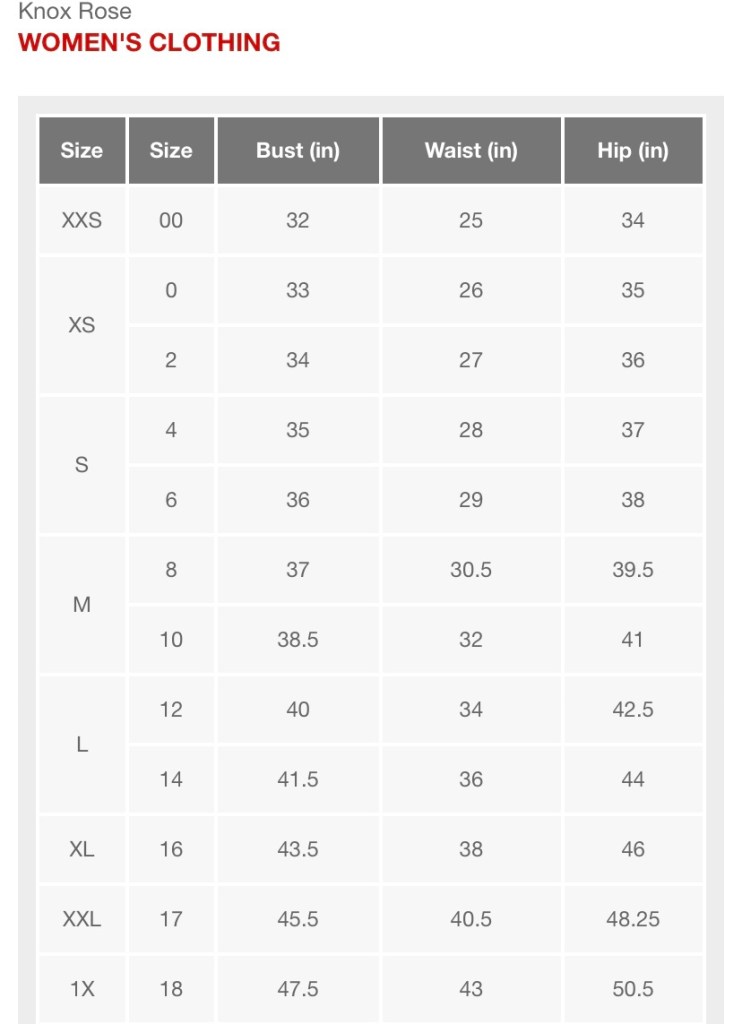
If you have ever used a commercial sewing pattern, you were probably shocked to discover that your ready made clothing size was not your pattern size. For example, currently I’d take size 20 shirt in Butterick patterns, as compared to a size 14 in Target’s Knox Rose brand (1, 2). This is because most women’s clothing manufacturers have adopted vanity sizing. On the surface, vanity sizing may cause us to feel excited about fitting into smaller sizes. But what are the deeper effects of this marketing practice?

Many “brands deliberately skew their sizes, based on the idea that people might feel better if the tag on the clothing says a size (or two or three) smaller than they wear in other brands. This is called vanity sizing” (3).

Brands that tend to run large include Old Navy, Free People, Loft, Lululemon, and Target. These companies often run small by comparison: H&M, Forever 21, Abercrombie & Fitch, and Zara (3 – 5). But really, it’s a case of caveat emptor, or let the buyer beware. Even published size charts are often way off from actual clothing measurements.

While shoppers may find size variation inconvenient, there are deeper problems caused by vanity sizing. According to Illinois State University, inconsistent sizing

“can impact women’s body image confidence negatively. If all clothing brands used the same sizing method, then women’s body confidence would be more positive, and they wouldn’t have to worry about what sizes they fall under. Although vanity sizing can make women’s shopping stressful, it is important to remember that you are not meant to fit into clothes, rather, clothes are meant to fit you” (5). (Emphasis added)

We all know intellectually that a size is just a number and we are far more than an arbitrary number on a label. However, sizing inconsistencies can cause real doubt for some of us. Laura Ash, owner of a business that helps clients with long term health and fitness goals explains that, “We have had clients take a dress out of the wardrobe, put it on, look in the mirror and feel great. But then they catch a glimpse of the label size and feel mortified that it was one of their ‘larger’ dresses and feel terrible about themselves. Even though they looked like a knockout in it and might have bought smaller sizes in other shops that fit perfectly too” (6). For some of us, clothes shopping can even trigger eating disorders like anorexia (6).

In the UK, a study by sociologist Raya Muttarak, from the University of East Anglia (UEA) focused on how “curve” (an euphemism for plus size) and vanity sizing may lead to higher obesity rates (7). She has concluded that “vanity sizing can potentially lead to the misperception of weight status and consequently undermine action to reduce weight” (7).

As we have seen, vanity sizing has some very negative effects on consumers, yet businesses continue this detrimental practice. A study sponsored by the University of Chicago found that it is economically advantageous to keep women who have gained weight in the same size (8). Even though this practice creates more returns, manufacturers will continue to use vanity sizing as long as it remains profitable for them (8). It is interesting to note that this study found little to no vanity sizing for men’s or children’s apparel (8).

How can we deal with the psychological effects of vanity size marketing? Psychologist Jennifer Baumgartner, PsyD, suggests that we look at the piece of clothing and it’s cut without looking at the size on its tag (9). Yes, that’s difficult to do, but we don’t want to be influenced to spend money by marketing. And more importantly, we don’t want to let a number on a label affect our health habits.

I hope that this post has helped you become more aware of the marketing ploys that are being used to increase company profits. Let’s not be influenced by vanity sizing to the detriment of our health. Let’s continue to acknowledge obstacles and overcome them as we maintain our healthy weight.

(1). Size chart for Butterick, McCall’s & Vogue sewing pattern lines
(2). Partial size chart for Target’s Knox Rose ready to wear clothing line

(3). https://reviewed.usatoday.com/style/features/vanity-sizing-how-shop-retailers-old-navy-loft

(4). https://reviewed.usatoday.com/style/features/different-brands-same-size-fit-different-vanity-sizing-real

(5). https://news.illinoisstate.edu/2021/10/vanity-sizing-and-how-it-impacts-womens-body-image-confidence/

(6). https://metro.co.uk/2021/03/06/the-deeply-negative-impact-of-vanity-sizing-13988772/amp/

(7). https://fashionunited.com/news/fashion/plus-size-clothing-ranges-leading-to-higher-obesity-rates-in-the-uk-says-study/2018062722032

(8). https://www.sciencedirect.com/science/article/abs/pii/S0167268117300045

(9). https://www.webmd.com/beauty/features/vanity-sizing

Food Prep: Very Low Calorie Foods

Looking for foods to help you feel full without derailing your eating plan? As it turns out, there are many low calorie options, and some of them are great alternatives to the more calorie dense foods you may be craving.

To learn more about cravings and how to address them, please see https://lindawbrowning.com/2023/03/18/dealing-with-cravings/

Remember to speak with your medical provider to determine what diet or calorie range is right for you. In no way am I promoting a very low calorie diet! I personally eat about 1,800 calories daily. My dietician determined this level after studying my medical test results, food tracking spreadsheet, and weight changes over time.

I have listed some great options below and the source articles follow this post as usual (1-6).

Fruits

  • Raspberries 66 calories per cup raw
  • Apples 114 calories per 1 large
  • Clementines 35 calories each
  • Strawberries 53 calories per 1 cup sliced
  • Cantaloupe 54 calories per 1 cup cubed
  • Watermelon 46 calories per cup diced
  • Pears 88 calories per cup diced
  • Blueberries 86 calories per cup
  • Grapefruit 37 calories in 1/2
  • Papaya 68 calories in a small
  • Watermelon 46 calories in 1 cup diced

Vegetables

  • Spinach 7 calories per cup raw
  • Celery 6 calories per stalk raw
  • Brussels sprouts 70 calories per cup raw
  • Kale 9 calories per cup raw
  • Cucumber 45 calories per 1 large
  • Carrots 30 calories per 1 large
  • Lettuce 8 calories per shredded cup
  • Arugula 5 calories per cup raw
  • Radishes 9 calories per 1/2 cup sliced
  • Asparagus 20 calories per 1/2 cup cooked
  • Snow peas 27 calories per cup raw
  • Zucchini 27 calories per cup sliced and cooked
  • Cauliflower 29 calories per cup cooked
  • Broccoli 54 calories per cup cooked
  • White mushrooms 44 calories per cup cooked
  • Onions 70 calories per medium cooked
  • Peppers 24 calories in 1 cup raw
  • Tomatoes 27 calories in 1 cup cherry tomatoes

Proteins

  • Cottage cheese 163 calories per cup
  • Eggs 72 calories per egg
  • Salmon 143 calories 3 ounces cooked
  • Shrimp 84 calories per 3 ounces cooked
  • Black beans 109 calories per 1/2 cup canned
  • Chicken breast 128 calories per 3 ounces without skin cooked
  • Pork tenderloin 122 calories per 3 ounces cooked
  • Scallops 94 calories per 3 ounces cooked
  • Greek yogurt 92 per “average container” plain
  • Chickpeas 135 calories 1/2 cup canned
  • Lentils 115 calories 1/2 cup cooked

Starches

  • Oatmeal 83 calories per 1/2 cup cooked
  • Popcorn 31 calories per cup air popped
  • White potato 149 calories 1/2 large baked
  • Sweet potato 80 calories per 1/2 cup cooked
  • Quinoa 110 calories per 1/2 cup cooked
  • Polenta 85 calories per 1/2 cup cooked

This is by no means an exhaustive list. Please comment below with your favorites and I will add them.

With most of these foods, it’s how we prepare them that makes the difference. This is true in terms of taste as well as calories. Heavy sauces, added salt and sweeteners, as well as cooking methods that add fats may make these foods more palatable. But, consider whether we are transforming wholesome ingredients into unhealthy dishes.

Let’s try new and healthy foods which can help keep us full. By adding variety, we can keep our eating plans fresh. This is just one more tool to help us maintain our healthy weight.

(1). https://www.prevention.com/food-nutrition/g20428211/25-ridiculously-low-calorie-foods/

(2). https://www.healthline.com/nutrition/low-calorie-foods#TOC_TITLE_HDR_6

(3). https://www.healthline.com/nutrition/zero-calorie-foods#6.-Brussels-sprouts

(4). https://www.goodhousekeeping.com/health/diet-nutrition/g41111495/low-calorie-foods/

(5). https://www.newsweek.com/high-volume-low-calorie-foods-feeling-full-1665942

(6). https://newsbeezer.com/franceeng/here-are-the-5-lowest-calorie-starches/

Exercise: Joining a Gym or Health Club

Joining a health club can provide a much needed boost to your current fitness routine, but only if you actually show up and participate. Is a gym membership right for you, or is it a waste of money and time that might be better spent on home equipment and/or a fitness app subscription?

I have a long history of joining gyms and quitting gyms. I started in the 1970s at Elaine Powers, where rows of women used machines like the one below. There was also a little real exercise going on, but this was the machine that amused me the most. We’ve come a long way!

According to Shape magazine, the first thing to consider when choosing a gym is whether or not you actually need to (1). If you have a preference for outdoor exercise, and live in an area where that’s possible, then that might be a better choice for you. If your employer, apartment complex, home owner’s association, or other group already has a gym, can you use that facility instead?

Once you’ve determined that a gym is a necessity for your weight management goals, then the next consideration may be location. It comes down to this: the closer, the better. A Dstillery analysis for the Wall Street Journal found that

“People who traveled only 3.7 miles to their gym went five or more times every month. People who traveled around five miles or more only hit the gym about once a month. Distance was less of a factor, however, for individuals that sprung for more expensive gym experiences. Establishments like Equinox, The Barre Code, and SoulCycle warranted trips almost twice as far as cheaper competitors. Better amenities, more class offerings, and cleanliness can be a big draw for some. Basically, a mediocre gym five miles away is the worst option you could pick” (2).

Next up – what are the types of exercise classes and equipment are must-haves for you? (1) A friend of mine considers an indoor pool to be a necessity, while for me cycle/spin classes are crucial. In fact, I mainly joined my current gym because I can get unlimited monthly spin classes for the same price as just 2 classes at a specialty cycling studio! (Yes, the cycling studio has better equipment and is a nicer experience, but I can’t afford to take many classes there. Unfortunately, it doesn’t work with my maintenance goals.)

And that brings us to price. You may have dreams of a posh health club, but if it won’t fit into your budget long term, you may be better off looking at alternatives. Are there hidden fees that might be a financial stretch? Read the contract, see if a trial membership is a possibility, ask friends about their experiences – basically do your research before you commit (4).

After you’ve checked out your local health clubs, you just might find that there isn’t a good option for you. That is disappointing, but it really isn’t as problematic as it may seem. There are many alternatives for you. Some people actually do better by exercising at home or outdoors. They may find the atmosphere to feel too competitive, or prefer playing their own favorites workout music.

Interested in creating a custom playlist that will invigorate you to exercise more? Take a look at this post: https://lindawbrowning.com/2023/03/08/exercise-workout-music-with-spotify/

Although it seems easy to focus on the negative effects of the pandemic, there is a positive development in the case of fitness classes. There are many new fitness apps and online classes that were developed out of necessity over the past three years. This will be the focus of an upcoming blog post so we can discover if any would be helpful for us.

We have many exercise options when it comes to maintaining our healthy weight. A gym membership is one possible way to achieve your workout goals. But if it isn’t the right answer for you, we will be exploring other options in the coming weeks.

(1). https://www.shape.com/fitness/workouts/7-things-consider-when-choosing-gym

(2). https://lifehacker.com/your-gym-should-either-be-super-close-or-super-nice-1793529831

(3). https://www.self.com/story/14-questions-to-ask-before-you-join-a-gym/amp

(4). https://www.self.com/story/14-questions-to-ask-before-you-join-a-gym/amp

Dealing With Cravings

A craving is a strong eating motivation for a specific type of food. At times we can feel a compulsion to eat these particular foods even when we are not hungry (1). Let’s look at why we have cravings, and what we can do to help decrease their influence over our eating choices.

Cravings “actually involve a complex interplay of factors: brain messages, behaviors that become habits over time, and having easy access to food. Animal and human studies have shown that foods that stimulate the reward regions of the brain influence our food choices and eating behaviors. When we eat certain foods, the neurons in the reward region become very active, creating highly positive feelings of pleasure so that we want to keep seeking these foods regularly…Hyperpalatable foods can stimulate the release of metabolic, stress, and appetite hormones including insulin, cortisol, dopamine, leptin, and ghrelin, all of which play a role in cravings” (2).

Have you ever wondered which foods are most addictive? A University of Michigan study on cravings found that the most addictive foods (in descending order) were: pizza, chocolate, chips, cookies, ice cream, French fries, cheeseburgers, soda (not diet), cake, and cheese. Least addictive were: strawberries, corn (no butter or salt), salmon, banana, broccoli, brown rice (plain), apple, beans (no sauce), carrots, cucumber (no sauce). As you can see, highly processed/refined foods are craved more often. In general, they contain more carbohydrates and fat than the least addictive foods (3).

Cravings are a very real phenomenon that have both biological and psychological components. Should we suppress our cravings, or act on them? Should we find healthier food substitutes, or look for other activities and redirect our attention there?

There are many different answers to these questions, ranging from intuitive eating, where you allow yourself to eat what you’re craving, to avoidance, so that you do not trigger or reinforce future cravings. Let’s look at a few of these ideas so we can find what might work best for each of us.

  • Acknowledge your craving and consider why you have this urge for a specific food. Where does it come from, and how can you address it? Try drinking a glass of water, taking a nap, going for a walk, visiting with a friend, or relaxing in a warm bath. If after trying these or other options your craving persists, allow yourself to enjoy the food you’re craving, but in a controlled and mindful manner (4).
  • Start a special cravings journal, listing the time of day, explaining your feelings, and describing what and how much you ate. Continue journaling for about a month, looking for patterns. Try to discover what brings on your cravings (5).
  • Choose to eat healthier alternatives to your cravings. “Craving a grilled cheese sandwich? Make it with whole-wheat bread and reduced-fat cheddar. Craving chocolate cake? Make it from scratch, substituting whole-wheat flour for half the white flour” (5) and cutting back on sweeteners and fats.
  • How little is enough? “Dr. Judson Brewer, an associate professor at the Brown University School of Public Health…told the story of a patient who routinely ate a full bag of potato chips while watching a favorite TV show with her daughter. Instead of discouraging her from eating the chips, Dr. Brewer advised her to pay attention to every single chip she ate and to notice how many chips it took to feel satisfied. Just a few weeks later, the woman reported she had slowly reduced her chip habit, and now her craving was satisfied after the second potato chip” (6).
  • Reducing your stress level will likely reduce your cravings (7). Easier said than done, right? But some ideas that may help include exercise, meditation, journaling, aromatherapy, herbal tea or supplements, and time spent with animals (8).
  • Getting adequate sleep and exercise can lessen cravings. Both sleep and exercise can help to keep hormones in balance, like leptin, ghrelin, and glucagon-like peptide (2).
  • Eat nutritionally balanced meals, and eat often (3-4 hours should be the longest stretches without food). Foods with protein and fiber will keep you full longer (2). Do not allow yourself to become extremely hungry which can trigger overeating.
  • Avoid visual eating cues like social media stories and photos or videos about food or eating. Stay away from tempting snack machines or break room treats (2).

I hope that you found some new ideas on how to address cravings. Please share any techniques that have worked for you. Together, we will find new ways to maintain our healthy weight.

(1). https://examine.com/articles/where-do-cravings-come-from/

(2). https://www.hsph.harvard.edu/nutritionsource/cravings/

(3). https://journals.plos.org/plosone/article?id=10.1371/journal.pone.0117959

(4). https://www.healthline.com/nutrition/finding-the-wisdom-in-food-cravings-plus-tk-techniques-to-make-peace-with-them#techniques

(5). https://www.webmd.com/diet/features/the-facts-about-food-cravings

(6). https://www.nytimes.com/2022/01/10/well/eat/food-cravings-strategies.html

(7). https://www.medicalnewstoday.com/articles/318441#how-to-reduce-cravings

(8). https://www.medicalnewstoday.com/articles/322396#other-treatment-options

TOPS: Take Off Pounds Sensibly

75 years ago, Esther Manz invited friends into her Milwaukee, Wisconsin home for a weight loss, mutual support meeting. Take Off Pounds Sensibly (TOPS) is still helping dieters with weekly meetings throughout the United States and Canada, as well as Zoom meetings for those unable to attend in person. Other tools and videos available on line plus books explain the very balanced diet plan. TOPS even has retreats to help its members. And once you’ve met your goal weight, which you plan in consultation with your own doctor, you transition to KOPS, or Keep Off Pounds Sensibly.

Unlike most diet programs, TOPS is a nonprofit with very low membership costs as compared to its commercialized competitors. Presently, TOPS annual membership fees start at $49 in the US and $59 CAD in Canada. There are also local chapter fees of about $5 per month. Your first meeting is free, so you get to learn what the program is about before making a commitment. I don’t think you can get any other program at this price level other than Overeaters Anonymous. But if you know of one, please comment below so we can learn more about it.

I attended a TOPS meeting last night so I could learn more about the program. The small but friendly group was very welcoming. Before the meeting, there is a private weigh in. The meeting itself includes presentations on how to continue healthy eating and exercise practices.

The members all try to motivate each other. Weights themselves are not announced, but any pounds lost or gained are read off for each member. All weight lost is cheered, and if a member gains weight, the others respond with, “We care.” I thought that was a sweet custom, and they have quite a few of these folksy traditions.

If you are looking for a high tech, splashy, colorful type of group, this might not be your best option. But if you prefer a kind and caring group, down to earth with a very sensible vibe, you’re home! Many of the members have been at this for years – even decades! They are devoted to TOPS and their membership. Of course, each chapter is different, so visit one (or more) in your area, or the online Zoom version.

To give you a better idea about the TOPS Club program, I’m including a few of their recent videos here. There is also content from their Zoom online meetings if you look at the TOPS YouTube account. The Zoom meetings include interactions between members, but that isn’t included in the YouTube presentations.

This first video is on Portion Control, particularly when you are away from home and your kitchen measuring devices like scales and cups.

For more on portion sizes, try https://lindawbrowning.com/2023/02/07/measuring-weighing-foods/

The Non Scale Victory video is helpful for times when your motivation is a little low. There are times when the scale doesn’t move in the right direction for all of us.

Finally, I’d like to share a video on a topic which is often overlooked, Self Care. It’s actually an important part of our weight loss and maintenance journey.

Interested in more on self-care? I’ve created many posts on the topic, including https://lindawbrowning.com/2023/01/10/self-care-what-and-why/ and https://lindawbrowning.com/2023/02/24/self-care-mindfulness/

I hope that you will consider whether TOPS Club could be a helpful program for you. If you are looking for a support meeting format that can fit into your budget, give it a try! It can be part of your toolkit to maintain your healthy weight.

Food Prep: The Dangers of Restaurant Food

If you are a proponent of frequent weigh-ins like me, you may have noticed an unfortunate pattern between your weight and your restaurant visits. Eat out more often, and your weight goes up, even if you select menu items that are listed as lower calorie options. How is that possible? Could it be the added sodium? Could it be that the calories listed on the menu were inaccurate?

It’s a little complicated, but often it’s dishonesty, though sometimes it’s unintentional dishonesty. Here are some examples which researchers from Tufts University uncovered:

  • “Olive Garden’s chicken and gnocchi soup had nearly double the listed 250 calories, and the minestrone soup more than doubled its 100-calorie claim, totaling 265.
  • Bob Evans’ cranberry-pecan chicken salad with dressing, listed at 672 calories, had [between] 315 and 551 extra calories in two tests.
  • P.F. Chang’s healthy-sounding brown rice measured 477 calories, more than double the menu number of 190.
  • Four tests of On the Border’s chips and salsa found more than triple the claimed 430 calories, up to 1,511 actual calories” (1).

While Tufts researchers found that most menu calorie counts are relatively accurate, 20% were off by at least 100 calories. Sit down restaurants tended to be less accurate than fast food, reportedly due to poor portion control (1). But there are many other factors as well.

Who checks to see if the calorie counts are accurate? No one is the usual answer. According to NBC Affiliate 2News, “The FDA says restaurants must explain how they came up with the calorie results only if the FDA asks” (2). (Emphasis added.)

Restaurants typically add much more fat to foods than you would at home (3). Here’s an example that you may have noticed. A fried Chick-Fil-A sandwich with no added butter on the roll has 380 calories (4). But the default sandwich has a buttered roll. Add 60 calories of pure fat to that if you don’t remember to ask for “no butter,” and that’s assuming the employee isn’t being generous with the butter (5). Would you add that butter to a fried sandwich at home? I’m guessing that you would not.

This added fat is a part of the restaurant’s mission to make your meal as enjoyable as possible. They hijack the pleasure center in your brain with fat, sugar, and salt so you will want to return to get that hit again (3). And it’s in their best interest to do this, though not yours.

There are several other practices that restaurants have adopted to keep you coming back for more. These are more of an appeal to your wallet – so you’ll feel like you’re getting a good deal. They include huge portion sizes, free drink refills, free bread or chips as you are seated, special combos, and free add-ons like shredded cheese or extra dressings and sauces (3). None of these add much to the nutritional value, but they add plenty to the caloric value.

If you are mainly eating out for the taste of restaurant food, the video below will explain how you can replicate some of their methods at home, but with less fat (6):

While this video uses vegetables as the example, many of the same ideas apply to other foods, particularly proteins.

I hope this post made the importance of home meal prep clear. Eating out is great for celebrations and special occasions, but if you eat out on a regular basis, it can be more challenging to maintain your healthy weight.

(1). https://www.nutritionletter.tufts.edu/healthy-eating/weight-mgmt/can-you-trust-restaurant-calorie-counts/

(2). https://www.kjrh.com/news/national/calorie-count-test?_amp=true

(3). https://www.eatthis.com/restaurants-add-calories/

(4). https://mobile.fatsecret.com/calories-nutrition/chick-fil-a/sandwich-(no-butter)

(5). https://mobile.fatsecret.com/calories-nutrition/chick-fil-a/chicken-sandwich

(6): https://youtu.be/zKEwA__rOHk

Exercise: The Benefits of Yoga

Yoga can have many health benefits – both physical and psychological. Let’s take a look at some studies to learn if this exercise is right for you.

Yoga is based upon an ancient practice first recorded in India about 5,000 years ago (1). Modern yoga focuses on strength, flexibility, agility, and breathing. There are many types of modern yoga, including Ashtanga, Bikram, Hatha, Iyengar, Kripalu, Kundalini, Power, Sivananda, Viniyoga, Yin, Prenatal, and Restorative yoga (1). With so many options, you should be able to find one that works for you.

Balance: the practice of yoga is ideal for improving balance because it strengthens and stretches the muscles needed for both static and dynamic balance (2). Please look at this set of yoga exercises by Harvard Medical School designed to improve balance: https://www.health.harvard.edu/exercise-and-fitness/yoga-balance-workout

Joint Pain: some studies show that yoga can be a great help to those with arthritis. It can “improve joint function, build strength and promote relaxation” (3). There are additional studies that show that yoga reduces the type of inflammation caused by rheumatoid arthritis (4). It’s important to match your yoga practice to your ability level if you are suffering from joint pain.

Stress: the practice of yoga has been found to reduce stress, anxiety, and depression. A study of women in Iran found that 12 sessions of Hatha yoga was effective, though further study was recommended to ascertain whether the improvement could be maintained without further yoga sessions (5).

Weight Maintenance: yoga was associated with improved weight maintenance in overweight young adults. Research subjects who did not practice yoga gained significantly more weight. “Frequency of yoga was inversely associated with weight gain among both overweight and nonoverweight young adults practicing yoga regularly” (6).

Sleep: several studies have shown that yoga practice improves sleep quality. Yoga nidra may be the best type of yoga for pre-sleep (7). Yoga nidra aids in achieving deep relaxation and can be practiced by anyone, including beginners. “Yoga nidra is easy to administer, relatively safe and does improve sleep in chronic insomnia” (8).

Mindfulness: yoga improves mindfulness, the focus on the present experience without judgement or distraction. This practice extends beyond the yoga class – mindful eating is improved for those who participate in yoga classes (9).

Read more about mindfulness and how it can help with weight maintenance here: https://lindawbrowning.com/2023/02/24/self-care-mindfulness/

These are just a few of the many health improvements that you may expect from practicing yoga. But note that with the many types of yoga classes, you may need to try various studios and instructors to find a good fit for you.

I’ve tried quite a few over the years, and had the best experience with a medical yoga practice taught by a podiatrist. Her greater understanding of anatomy and physiology enabled me to take the class pain free. Unfortunately, this has not been my experience with other yoga instructors. It’s important to listen to your body and not push past your comfort level.

I’d also recommend the app FitOn, which has many types of exercises taught by well qualified practitioners. Here you will find every level of difficulty and you can practice in your own home. There are over 100 yoga exercise video classes to try – you are sure to find some that will work for you! Whether you are looking for sleep, weight loss, or even cardio, there is a yoga class designed to help you reach your goal.

There are both free and paid versions of FitOn. As I’ve promised elsewhere, I will not share any affiliate codes or links here. I want you to know that recommendations are made because I actually like a product, not because of any financial incentives.

Remember to check with your medical provider before beginning any new exercise program. With the help of your health care team, you can keep working towards maintaining your healthy weight!

(1). https://www.medicalnewstoday.com/articles/286745#summary

(2). https://www.health.harvard.edu/exercise-and-fitness/yoga-balance-workout

(3). https://www.arthritis.org/health-wellness/healthy-living/physical-activity/yoga/top-5-yoga-myths-debunked

(4). https://www.webmd.com/rheumatoid-arthritis/yoga-poses-rheumatoid-arthritis-pain

(5). https://www.ncbi.nlm.nih.gov/pmc/articles/PMC5843960/

(6). https://pubmed.ncbi.nlm.nih.gov/28682698/

(7). https://www.hopkinsmedicine.org/health/wellness-and-prevention/yoga-for-sleep

(8). https://sleep.biomedcentral.com/articles/10.1186/s41606-017-0009-4

(9). https://www.health.harvard.edu/staying-healthy/yoga-benefits-beyond-the-mat

Fat Shaming, Weight Stigma & Bias

This can be a painful topic, and it was hard to even know where to start. But it’s important to address the unfair treatment that many of us have experienced. I chose this image of a strong person breaking through a barrier of bricks to represent today’s topic. It symbolizes what I’d like for us to do: that is, break down the barriers of fat shaming, weight stigma, and obesity bias. Let’s learn more about this so that we will be prepared to face these challenges in a constructive way.

Fat shaming is the act of criticizing or harassing an overweight person about their appearance or food choices to make them feel ashamed about themselves. This is relatively common on social media and there are entire on-line communities with the goal of making fun of obese people (1).

Weight bias is comprised of the negative attitudes and stereotypes that target people simply because they are overweight or obese (2). Weight stigma is based upon this bias and it results in discriminatory acts and ideologies leveled against people who are overweight or obese (3).

The consensus of numerous scientific studies is that attitudes like body shaming and fat phobia can actually lead to further weight gain and substandard medical care. However, social media and (cruel) uninformed trolls continue to spread the falsehood that it is helpful for weight loss. I considered sharing “Fat Shaming Works” videos and articles here, but I do not want to promote “obesephobia”. By clicking through to their websites, we would only be encouraging them. Trust me when I say there are quite a few out there who have this misguided attitude.

Let’s look at a few of the studies which show the harmful effects of fat shaming, bias, and discrimination:

  • A 2014 study found that “rather than encouraging people to lose weight, weight discrimination promotes weight gain and the onset of obesity” (4).
  • A Canadian analysis of numerous studies found that there is “emerging evidence that the severity of harm increases when people internalize weight bias and turn it on themselves. In one study, participants with high levels of internalization of weight-bias had three times greater odds of having metabolic syndrome than those with low levels, even after controlling for BMI and other risk factors” (5).
  • One study found that family members were the greatest source of weight bias, and that physicians were number two. “Some doctors report feeling frustration toward heavier patients, which can lead them to spend less time with these individuals during appointments and fail to refer them for diagnostic tests” (6).
  • In a very interesting experiment conducted with female college students, exposure to weight stigmatizing articles caused students who thought they were overweight to eat more and feel less capable of controlling their food intake. Students who thought they were not overweight did not have this outcome. Neither group had an average BMI that was in the overweight or obese categories, so it was truly a matter of perception (7).

I could quote dozens of studies here, but I really wanted to make a point of emphasizing that last one. The power of your body image is so important! Whether or not you are actually overweight may be less important than whether or not you think you are overweight. Just consider that for a few minutes…

What can you do if you feel you are a victim of fat shaming, bias, or discrimination? I’m not qualified to advise you, so I’d suggest that you seek the advice of a professional, with a specialty based upon your personal experience. (For example, you may wish to see a counselor for a case involving shaming, but a lawyer might be more appropriate for a discrimination case.)

You might also find these ideas to be helpful (8):

  1. “Educate yourself on resources and self-advocacy: The more awareness and education you have, the better you can communicate, and the more qualified support you can receive.
  2. Journal your emotions: When you take the time to journal or write out your thoughts and feelings, you give yourself space to process. Some suggestions for journaling include reflecting on your initial reactions, expressing what you want to say to the person that fat-shamed you, or writing a letter to yourself.
  3. Develop a self-care plan: Self-care plans act as your overall “toolbox” of coping skills and ways to nurture yourself. Develop an emotional self-care plan with your healthcare provider.
  4. Shift your mindset and inner narrative: Changing your inner narrative takes practice and conscious effort. Work to replace negative self-talk or negative self-belief with words of affirmation and encouragement. Daily positive affirmations are a great way to improve overall body image and self-esteem.
  5. Confide in someone you trust: Talking to a trusted, non-judgmental friend or family member can help you feel better.
  6. Listen to inspiring music: Listening to upbeat, inspiring music can help boost your mood. Create a playlist that helps you feel powerful and confident” (8).

This is a topic that many of us would rather ignore. But as we saw, internalizing weight bias is physically and psychologically harmful. Instead of pushing our feelings down, let’s recognize the problem. We can work on this together to maintain our healthy weight.

(1). https://www.healthline.com/nutrition/fat-shaming-makes-things-worse#shaming

(2). https://www.obesityaction.org/action-through-advocacy/weight-bias/

(3). https://www.worldobesity.org/what-we-do/our-policy-priorities/weight-stigma

(4). https://pubmed.ncbi.nlm.nih.gov/25212272/

(5). https://www.ncbi.nlm.nih.gov/pmc/articles/PMC6565398/#__ffn_sectitle

(6). https://www.hsph.harvard.edu/magazine/magazine_article/the-scarlet-f/

(7). https://www.sciencedirect.com/science/article/abs/pii/S0022103113002047

(8). https://www.choosingtherapy.com/fat-shaming/

Self-Care: Vision Boards

What Is a Vision Board?

A vision board is a tool that can help us to visualize a dream that we hope to realize. It can help us to be more positive and motivated to achieve our vision for the future. I’ve created a little one here that uses recent photos that make me feel positive about my journey to better health.

Vision boards are often created by physically cutting out illustrations and text from magazines or books. Kits to create vision boards can be found on commercial websites like Amazon and Etsy. But it might be more fun to make yours from found materials and personal images that are important to you.

My first exposure to this type of board was actually in knitwear pattern design. Magazine publishers create “mood boards” which they send out to inspire designers to design beautiful patterns that fit their envisioned theme. Mood boards make the creative process more focused and more fun! They are similar to vision boards, though a mood board is more often used as a business tool to keep creatives on the same page. Both types of boards inspire their users to transform a goal into future reality.

Do vision boards work for weight loss or maintenance? There some disagreement on this, but I think it’s worth a try! Quite a few diet and wellness websites promote the use of vision boards, including WeightWatchers. The WW website explains the value of vision boards.

“…vision boarding should begin with visualization, or creating a mental picture of any given outcome. Setting goals around behaviors you have control over is vital to a successful vision board process, according to Dr. Ryan Niemiec, PsyD, author of the bestselling The Power of Character Strengths and education director of the VIA Institute on Character. For instance, if you have your eye on running a 5K race, setting a target such as ‘train every day and complete a 5K’ is more likely to be successful than an outcome-focused goal such as ‘complete a 5K in under 35 minutes,’ Dr. Niemiec says.

While you could simply keep the image of your goal in the back of your mind, visualizing via actual pictures on a vision board makes that goal more concrete, says Dr. Lisa Burton, PhD, assistant professor for counseling at Marshall University in Huntington, WV” (1).

TOPS Club, a 75 year old weight loss non-profit, also recommends vision boards:

“Selecting images, words and items that reflect what we see as our mission, goals, commitment, attitude and purpose, help [sic] us map the path we take and prepare us to see and handle roadblocks that may arise. Post your vision board where you will see it daily. Do not hesitate as you progress to modify it as needed. This is how you see your best self” (2).

Although I have not tried the diet medication Alli, I have found that they have a helpful website. Their article on weight loss vision boards might provide additional insight into this useful self-care practice:

“A vision board is a concrete way to help you visualize your way to success. And while a healthy diet and proper exercise habits are the most important factors when it comes to weight loss, visualization has some promising research behind it…While researchers aren’t quite sure how visualization directly helps our bodies and brains create a desired outcome, they do know it helps. Using a vision board to help increase positive visualization during your weight loss journey may be the slight push you need to make it farther on your journey than you ever have before!” (3).

How to Make a Vision Board

Before you construct your board, take time to reflect on your goals. In my sample above, my overarching goal was improved health. Then I thought about the things in my life that help me to achieve improved health. I found photos on my phone that represent exercise, healthy food, self-care, and family. Your board may be very different – include the ideas that are part of your vision. Will you create a physical or virtual vision board?

To make a physical vision board, you will need a cork board or poster board. Depending upon your choice, have glue, tape, or push pins available to attach the cut outs you’ll be using. Scissors and magazines, printer, or photos that fit your theme will round out your supply list. Any other little decorative pieces you have on hand, like stickers, or scrapbooking supplies such as ribbons, glitter, or sequins will add a fun touch. It’s also helpful to have music that puts you in a creative mood playing (4) as you go through the process of planning and building your vision board.

Interested in making a virtual vision board instead? Try putting your ideas in Pinterest, or use a collage app. I used the free version of Canva for my vision board above and chose a photo collage template. After adding my photos and editing the text, I edited the image with the Pixlromatic app to add a soft, dreamy feel to my vision board.

After you’ve created your board, look at it and envision the progress you will be making to achieve your goal. Be sure to revisit your board often. Put your board where you will see it and check in with your goals (5). Remember you can always make new, updated boards as your goals evolve.

Will you construct a vision board to celebrate your accomplishments and motivate you to achieve your future plans? Please share any ideas you have for this project in the comments below. This is yet another tool to help us maintain our healthy weight.

(1). https://www.weightwatchers.com/us/blog/health/vision-board

(2). https://blogs.tops.org/monday-moment-of-truth/how-to-make-a-vision-board/

(3). https://www.myalli.com/amp/using-visualization-for-weight-loss.html

(4). The Complete Guide to Self Care by Kiki Ely (c) 2020.

(5). https://www.womenshealthmag.com/life/a35337269/how-to-make-a-vision-board/

Meal Prep: Skinnytaste One & Done

Weeknight Chicken Souvlaki

Gina Homolka has created quite the cookbook series for us. In addition to her books, you can visit her website for many free recipes, plus free weekly planners complete with shopping lists. She really is an incredible chef who creates so much deliciousness with so few calories!

This is my fourth blog post on Skinnytaste. Yes, that’s how much I love it! Here they are: https://lindawbrowning.com/2023/01/09/food-prep-what-is-skinnytaste/ , https://lindawbrowning.com/2023/01/11/food-prep-the-skinnytaste-cookbook/ , and https://lindawbrowning.com/2023/01/21/food-prep-skinnytaste-with-home-chef/

Skinnytaste One & Done is all about preparing no-fuss dinners that use just one of the following cooking methods: Instant Pot, slow cooker (crockpot), air fryer, sheet pan, skillet, or Dutch oven. Ms. Homolka worked along with registered dietician Heather Jones to create 140 healthy recipes.

Each dish is photographed beautifully so we know exactly what to expect. The clear instructions make cooking so much easier. As for nutritional information, the following will help guide us: calories, fat, saturated fat, cholesterol, carbohydrate, fiber, protein, sugar, and sodium.

I chose to cook Weeknight Chicken Souvlaki, which is a skillet recipe. It serves 4 as written, but it’s simple to just divide the ingredients by 2 for my smaller family. While this recipe includes fresh herbs like mint and oregano, you could try substituting dry herbs in a pinch. I did substitute chicken breast for chicken thighs as it’s what I had on hand.

As with most marinades, it’s best to get an early start on that part of the recipe. The rest is very straightforward. It turned out so flavorful and I think it’s quite an attractive dish as well. This is a wholesome Mediterranean diet meal, and would be adaptable to many eating plans with just a few tweaks, depending upon your exact needs.

It’s important to up your game with cooking. When you’re making delicious foods, you’ll be far less tempted to eat out or make a bad food decision. Preparing our own meals will help us to maintain our healthy weight.

(1). Skinnytaste One & Done. Gina Homolka with Heather K. Jones, R.D. 2018.

The Weighty Effects of Time Change & Jet Lag

You’ve likely heard that our bodies run on a 24 hour cycle called a circadian rhythm. Disruption of this rhythm can cause many health issues, including diabetes, obesity, and mental health conditions (1).

In case you need convincing, take a look at this data! “During the week after the shift to DST, research shows an associated rise in cardiovascular disease with a 24% higher risk of heart attacks…a 6% spike in fatal car accidents…an 8% increase in stroke rate…an 11% spike in depressive episodes…[an increase in] digestive and immune related diseases” (2).

Is the one hour change to Daylight Savings Time (DST) likely to have a huge impact on you? No, not in itself. But can it bring on the beginning of the end of your diet or exercise program? Possibly, if we don’t plan on addressing it. And all of these ideas apply to jet or travel lag, or any other events that disrupt your circadian rhythm.

Here are some ideas to help you manage disruptions to your sleep cycle caused by the change to Daylight Savings Time, Standard Time, or jet lag due to travel between time zones:

  • Try to keep a regular bedtime schedule and routine. Consistency can make a difference in getting back on track more quickly (3).
  • Get some morning sun exposure which will help to regulate your sleep-wake cycle (2).
  • Eat a healthy breakfast, and continue those good eating habits throughout the day (3).
  • Limit the caffeinated drinks to the mornings and avoid electronics which emit blue light as well as alcohol for at least 1-2 hours before bedtime (2 and 3).
  • Morning exercise will be most effective as raises your body temperature and can help to reset your circadian rhythm (2).
  • Skip those long naps even though you may be tempted. Anything longer than 20 minutes may add to your sleep disruption (4).
  • A consistent wake up time in the morning can also help you get back to normal more quickly (5).
  • Dim the lights in your home in the evening, which may trigger your body’s natural release of melatonin (5).
  • Keep your bedroom cool and quiet to help you get the sleep you need (5).

If you have longer term problems with sleep, please see a medical provider to learn the reason and hopefully find a solution.

Although time changes seem insignificant, they can lead to a chain of events that interfere with your fitness. Stay aware of any event that can trigger changes in eating or exercise. By planning ahead and anticipating the challenges, we will be able to maintain our healthy weight.

(1). https://www.healthline.com/health/healthy-sleep/circadian-rhythm#health-effects

(2). https://www.nm.org/healthbeat/healthy-tips/daylight-savings-time-your-health

(3). https://fitonapp.com/wellness/how-to-adjust-to-daylight-saving-time/

(4). https://health.clevelandclinic.org/daylight-savings-time-change-4-tips-to-help-your-body-adjust/amp/

(5). https://carex.com/blogs/resources/how-to-restore-circadian-rhythm?gclid=Cj0KCQiAx6ugBhCcARIsAGNmMbhcXC7o8kZNbjff7LTp1DPIAuDEOdkrIeKNSkdZfgT17y_cQex7EkkaAt2nEALw_wcB

Exercise: Aqua Fitness / Water Aerobics

Aqua Fit is the name for the water aerobics classes at my local gym. I thought it would be fun to give it a try as I’ve lately been injured (followed by an allergic reaction to the meds for my injury) and was looking for exercise that would be a little less intense. Can water fitness classes be part of your toolkit to maintain your healthy weight?

Before you start any exercise program, it’s important to check with your health care provider to find out if it’s a good fit for you!

What is water aerobics? “Technically speaking, the term water aerobics implies a cardio component, but water aerobics can encompass much more than that—including strength, power, balance, and mobility—so perhaps a better catchall term is ‘water exercise’.” (1). It can include many types of exercises and stretches that are often part of other fitness classes, but the movements are done under water.

Water aerobics has many benefits:

  • A 12 week study with senior American participants found that two 50 minute weekly sessions resulted in improved results for upper body explosive strength, fat mass, and systolic blood pressure (2).
  • If you are presently sedentary, water exercise will help in “increasing your endurance, improving your circulation, allowing you to rehabilitate any problematic muscles, and reducing your stress level” (3).
  • Water exercise can keep you moving, which is imperative for our health. “Older adults with arthritis, heart disease, prior injuries, or extra weight may find even slow walking too painful or difficult” (4). Aqua fitness can also be a gateway to more strenuous exercise, like swimming.
  • Water aerobics challenges your balance and core. This is assuming that you don’t hold on to the side of the pool or the swimming lane dividers (1). If you concentrate on your posture and abdominal muscles, you can really feel them engage as you move through the water.
  • Once you’re in the water, these classes make comparisons with others difficult as the water obstructs the view of what others are doing (1). The entire atmosphere is non-competitive, which may not be the case with other fitness classes.
  • Exercising in water is a stress reliever due to its flow and massage-type characteristics. It can impart a feeling of weightlessness and well being (5).

There are a few downsides to aqua fitness classes, as compared to other forms of exercise:

  • It does little to build strong bones, and is not as efficient in building muscle mass as weight bearing exercise is. However, if weights are used, they can help to build upper body muscle (6).
  • Some people have allergies or other symptoms from the chemicals used to keep pool sanitary (6). Most pools have showers nearby to help rinse off these irritants.
  • These classes may not be located close to home and fees to join a facility with a pool may be more costly than a budget type of gym.

If you have access to a pool, but not water aerobics classes, here are a couple links that can get you started with your exercise plan: https://www.mayoclinic.org/healthy-lifestyle/fitness/multimedia/aquatic-exercise/sls-20076730 and https://www.womansworld.com/posts/fitness/water-aerobics-exercises/amp

While water aerobics classes are fun and motivational, they may not provide adequate cardio exercise if you are already accustomed to aerobic workouts. They are perfect for those who are just getting (back) into exercise, have joint or mobility problems, are recovering from illness or injury, have challenges with balance, or enjoy the weightless feeling that water provides. Added bonus: the pool water has quite a cooling effect – great to combat summer heat!

Where to find water fitness classes near you? Try a maps or internet search, as well as your local YMCA, local gyms that have pools, physical therapy centers, and community centers.

Why not give it a try to see if it will be a good fit for your healthy weight maintenance plan?

(1). https://www.self.com/story/water-aerobics-classes

(2). https://www.ncbi.nlm.nih.gov/pmc/articles/PMC5978883/

(3). https://orthopedicassociates.org/the-benefits-of-walking-3/

(4). https://www.silversneakers.com/blog/swimming-exercise/

(5). https://www.bhf.org.uk/informationsupport/heart-matters-magazine/activity/aqua-aerobics

(6). https://www.livestrong.com/article/273601-pros-cons-of-water-aerobics/

In the News: Weight Watchers Is New Owner of Sequence, Wegovy, Ozempic Supplier

You may have seen reports of some major weight loss industry news – WeightWatchers (WW) has purchased a company called Sequence. Sequence has a weight management program that includes weight loss medication, a nutrition plan, a fitness plan, medical insurance coordination, and access to health care professionals. It’s known for its access to GLP-1 agonist medications, like Ozempic, Wegovy, Trulicity, Saxenda, and Victoza, among others.

For more on sister drugs Wegovy and Ozempic, please see these three blog posts: https://lindawbrowning.com/2023/01/05/60-minutes-on-obesity/ , https://lindawbrowning.com/2023/01/06/follow-up-60-minutes-on-obesity/ , and https://lindawbrowning.com/2023/02/12/maintenance-after-stopping-ozempic-and-other-weight-loss-medications/ .

While it seems to be a smart financial decision for WW, as confirmed by their 70% stock price surge immediately after the announcement (1), it remains to be seen how this will affect current customers at both companies. (Note that the following day brought a 20% drop in stock price.)

This move into the weight loss medications market seems to be a departure from the WW philosophy of slow and steady losses through healthy diet and exercise. How might that affect the program? Will WeightWatchers members now have access to these scarce medications? Will the result be even greater shortages of these drugs, which are needed by diabetics? Will Sequence clients have access to WW tools? Let’s look at the companies’ press releases to learn more.

From Sequence:

We have some exciting news! We’ve made the decision to join forces with WeightWatchers. It’s a huge milestone in our journey to provide the best and most comprehensive weight management program.

Nothing is changing about the Sequence program, and we’ll continue to operate independently. We’ll continue to expand the Sequence program and grow the community that so many of you love. This gives us the opportunity to invest even more in what we’ve built, and we’re incredibly excited about the next chapter ahead. Together, Sequence and WeightWatchers will continue to fulfill our joint mission of livable, sustainable, science-backed weight management.

From WW:

Obesity is a complex, chronic condition, and, for some, prescription medications can be helpful in addressing the biological components of obesity. Medical experts recommend pairing these medications with a science-backed lifestyle modification program for long-term weight management and overall health.

“As science advances rapidly, we know there is a significant opportunity to improve outcomes for those using medications. Clinical interventions require better education, access, care management, community and the integration of a complementary lifestyle program for best results. It is our responsibility, as the trusted leader in weight management, to support those interested in exploring if medications are right for them,” said Sima Sistani, CEO of WeightWatchers (3).

How do you feel about this? Is it a case of two companies joining forces to serve their clients to the best of their capabilities? Is WW selling out on their old philosophy of slow and steady weight loss and going for the quick fix? Is this simply a new way for both companies to provide a greater return to their investors? Or is it more a matter of survival in a competitive and evolving market?

In a $58 billion annual weight loss market in the US alone, firms have to be nimble and adapt to rapidly changing conditions (4). Medications to treat obesity are currently enjoying a surge in popularity, so it’s understandable that WW feels the need to get on the bandwagon to remain relevant in the industry. It’s up to each individual to decide whether this is selling out or keeping up with the most effective treatments.

There are many nations where their entire economy is smaller than the US weight loss industry! Here are just a few: Bolivia, Estonia, Uganda, Latvia, and Jordan (5). Money is likely an important part of this business decision.

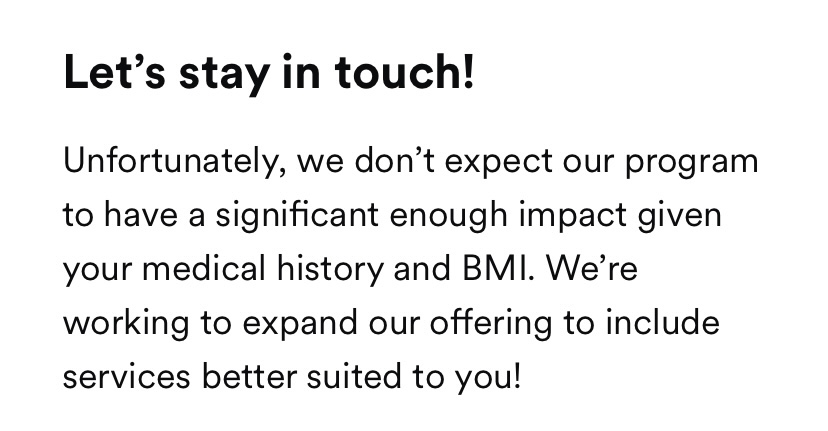
As an experiment, I attempted to enroll in the Sequence program. I was rejected, as the screen shot below indicates. (My current BMI is 26.) They indicate that they are expanding their offerings – perhaps this is the WW association. I was actually relieved that they rejected me, as I questioned what their standards might be.

In visiting the WW website, I found a new sign up area for medical weight loss. Theirs takes the form of a waiting list found here: https://www.weightwatchers.com/us/medical-weight-loss

As always, check with your medical provider before making any changes to your diet. This is particularly true if you are considering weight loss medications, either prescription or over the counter.

How do you feel about Weight Watchers’ acquisition of Sequence? Do you anticipate that it will change your weight maintenance plans? Let’s continue to watch the news and the science as we strive to maintain our healthy weight.

(1). https://www.cnbc.com/amp/2023/03/07/weightwatchers-stock-surges-sequence-deal.html

(2). https://www.joinsequence.com/a-quick-note

(3). https://corporate.ww.com/news-room/press-releases/news-details/2023/WeightWatchers-to-Acquire-Sequence-a-Digital-Health-Platform-for-Clinical-Weight-Management/default.aspx

(4). https://www.globenewswire.com/en/news-release/2022/03/23/2408315/28124/en/Overview-of-the-58-Billion-U-S-Weight-Loss-Market-2022.html

(5). https://unstats.un.org/unsd/snaama/Basic

Exercise: Workout Music Playlists

We have all felt the positive effects of hearing that perfect piece of music at just the right time. Music can motivate you to put in that little bit of extra effort that can make a big difference over time. Workout music is a key component to the fitness routines that we establish to help us maintain our healthy weight.

In todays post, we will look deeper into using music to enhance our workouts. First, let’s start off with this little comparison. How does this music and scene from Rocky make you feel?

Now what about the music in this identical workout scene?

The Theme from Rocky (Gonna Fly Now) encourages you to overcome anything that might get in your way. You are a winner! But when I hear the Rocky & Bullwinkle theme music, I can only imagine myself tripping up those same steps and falling on my a$$.

I made my first exercise music playlist nearly 40 years ago using a cassette recorder – really it was a mixtape. Let me tell you, it was much more difficult than using today’s apps. It was a compilation of Weird Al songs that were all about food and being fat. Yes, I was fat shaming myself before it became a topic that people commonly discussed. (It didn’t work then, just like it doesn’t work now.) And why would I even expect songs about rocky road ice cream, lasagna, bologna, or a potato addiction to help with weight loss?

Take a look at my earlier post Self-Care: Music to read more about the importance of music in your weight loss and maintenance journey: https://lindawbrowning.com/2023/01/13/self-care-music/ (It’s about much more than exercise music.)

The power of music has been studied extensively and the results generally conclude that it is an excellent tool to promote better health. In a 2019 meta-analysis of 139 studies on the use of music in gym and sports domains, it was found that

…music has the capacity to provide significant positive effects for exercisers and athletes, particularly in the areas of enhanced affective responses and improved physical performance, but also in terms of reduced perceived exertion and more efficient oxygen utilization (1).

Music can

  • Divert your mind from boredom and fatigue (2).
  • Synchronize your movement and prolong performance of difficult tasks (2).
  • Improve your mood during a workout (3).
  • Help with your muscle memory, especially if you are working on more complex skills (4).

So how can we best utilize these positive effects in our workout playlists? Start by choosing an app that makes playlist creation easy – or that makes playlists customized to you prior music selections automatically. Many apps also have playlists that others have created that can work well for you.

I am most familiar with Spotify, and as you may know, I love spin/cycling classes. A spinning studio that I sometimes visit uploads their class playlists to Spotify (seemingly daily), so you can listen to your favorites, albeit without the coaching motivation. Once I visited CYCLEBAR’s playlists, I found a near endless supply of great cycle music and workout playlists. Later I found that Spotify had created even more cycling playlists for me. These can’t totally replace spin classes, but they’re perfect for that home workout when circumstances keep you from the gym. My new favorite is called Cycling Upbeat Mix: Cycling Upbeat music picked just for you. Spotify has tapped into my love of cycling plus my penchant for playing happy music on road-trips.

Spotify is not your only option, although CNET does rate it as the overall best streaming service for 2023 (5). Apple Music is a great alternative, especially if you are using Apple devices. Qobuz is highly rated for its sound quality and Tidal is tops for compensating artists: “The [Tidal HiFi Plus] service will now pay your top streamed artist each month a 10% cut of your subscription fee. Even if you only stream one song all month the full $2 will go to them. Forget fractions of a cent for a play; with enough spins from enough people, this could mean serious money for your favorite band” (5). Amazon Music Unlimited can be purchased on its own or as an upgrade to an Amazon Prime membership. SoundCloud and YouTube are two more options to consider. Most of us are familiar with YouTube playlists, and you can create an unlimited number of them yourself. SoundCloud is especially popular for indie and user generated music (6).

What songs are best? It depends on the type of exercise and the pace that suits you. If you are doing any form of interval training, your playlist would have songs at different rhythms, or beats per minute. If you simply want to walk or run faster, you may wish to choose pieces that are slightly faster than your current steps per minute. And don’t forget the slower songs for warm ups and cool downs! By trial and error, you will find what works best for you. This will also change over time as your fitness level improves or your choice of exercise evolves.

Regardless of how you choose to listen to your workout motivation music, I hope you’ll see the benefits in finding the right songs for you! This is one more tool to help us maintain our healthy weight.

(1). https://psycnet.apa.org/fulltext/2019-75018-001.html

(2). https://thehealthsciencesacademy.org/health-tips/music-can-enhance-athletic-performance/

(3). https://www.cnet.com/google-amp/news/can-a-playlist-boost-your-performance-yes-with-the-right-songs/

(4). https://www.pbs.org/newshour/amp/science/can-music-make-you-a-better-athlete

(5). https://www.cnet.com/tech/services-and-software/best-music-streaming-service/

(6). https://www.businessinsider.com/guides/streaming/free-music-apps?amp

Water Essentials

You’ve likely heard that the human body is largely made up of water – the exact percentage varies considerably based upon age and sex (1). And, it’s common diet knowledge that many of us don’t drink enough water, which can actually slow weight loss or even lead to weight gain. How can water help us? Exactly what counts as water in our diet? How much do we need to drink daily? Can you ever drink too much water?

Signs of mild to moderate dehydration include: thirst sensation, dry or sticky mouth, decreased urine output, dark yellow urine, dry cool skin, headache, and muscle cramps (2). Increase your fluids and check with your medical provider for further steps. Don’t delay, as dehydration can be serious.

Water & Weight Loss

Although increasing your water intake will help you with your weight maintenance, it will take more than one healthy habit to achieve success. Still, it can make a noticeable difference for these reasons:

  • Your resting energy expenditure (REE) will increase by about 25% within 10 minutes of drinking water and this continues for about an hour. It’s most helpful if the water is cold because your body has to bring it up to your normal body temperature. It actually can amount to a 4 pound weight loss yearly – with no other changes to your routine – if you drink an additional 17 ounces of water daily (3).
  • Drinking water before meals helps reduce appetite in middle aged and older people (this has not been statistically proven for younger people). Studies show a significant improvement in weight loss – up to 44% more (3).
  • Drinking more water is linked with lower caloric intake, likely because it can become a replacement for sugary drinks. This is especially true for young people (3).
  • Water is an essential part of the process in breaking down fat. “Stored fat is broken down by the body into glycerol and free fatty acids for the body to use as fuel. Without adequate water, the body may not be as efficient when breaking down this energy source, thus making it harder to achieve the weight-loss goals you want” (4).
  • Your workouts will be supported by drinking more water. Water is needed for all parts of your body to function properly, and since you lose fluids during exercise, it becomes crucial for your health. Try drinking before, during, and after working out. It will help prevent muscle cramps and fatigue (5).

Want to know more about REE? Check this post: https://lindawbrowning.com/2023/02/27/basal-metabolic-rate-resting-energy-expenditure-calculations-and-accuracy/

Water Options

The exact amount of water that a person needs is highly variable, and can even change daily. It will depend upon your activity level, age, sex, body size, diet, and health conditions, as well as environmental factors like temperature, humidity, altitude, and sun exposure (5 and 6). Recommendations vary widely, from as little as 1 liter (34 ounces) to 3.7 liters (125 ounces) daily (3 and 4). Not very exact guidelines, but it’s a starting point I suppose! Be certain that you don’t have any of the dehydration symptoms listed above at a minimum.

Can you drink too much water? Yes, but it’s not easy! Water toxicity can occur if you drink too much water in a short time. It can cause tissues to swell, even putting pressure on your brain. Your kidneys can only excrete 0.8 to 1.0 liters (24-27 ounces) per hour (1). Be cautious about drinking excessive water too quickly. Check with a trainer or medical provider if you have unusual water needs.

Many of us find drinking plain water to be a bit tiresome. Let’s keep things interesting by finding new ways to enjoy drinking our water. Here are some ideas:

  • Add fresh fruit slices to your water.
  • Try pouring a small amount of a sugar free juice into your water.
  • Get creative with ice – including adding herbs or bits of fruit to an ice cube tray. Freeze and enjoy in your glass of cold water (7).
  • Caffeine free herbal teas, iced or hot, are a healthy alternative to water. Some would add caffeinated beverages to our substitutes list (8), but I feel doubtful about this. Ask your medical professional to get their opinion to be safe.
  • Some experts include the liquid content found in fruits, vegetables, and dairy products as well (8).
  • Drink from cups, glasses, or containers that you enjoy – you may drink more.
  • If you often forget to drink enough water, set a timer or keep your beverage nearby as a reminder.

Take a look at this great video from Sweet Pea Chef that explains how much water we need, shares ideas on how to drink more water, and best of all, shows 5 recipes for infused water.

You are largely made up of it. You can only survive a few days without it. Water is essential to life, and is an important part of maintaining our healthy weight.

(1). https://www.medicalnewstoday.com/articles/what-percentage-of-the-human-body-is-water#why-water-is-important

(2). https://amoryurgentcare.com/how-do-i-know-if-im-drinking-enough-water/

(3). https://www.healthline.com/nutrition/drinking-water-helps-with-weight-loss#TOC_TITLE_HDR_2

(4). https://www.eatingwell.com/article/8023901/drinking-water-to-lose-weight/

(5). https://www.medicalnewstoday.com/articles/322296#six-reasons-why-drinking-water-may-help-you-lose-weight

(6). https://www.livestrong.com/article/435265-why-do-you-need-to-drink-a-lot-of-water-at-a-high-altitude/

(7). https://www.everydayhealth.com/water-health/drinking-water-taste.aspx

(8). https://www.webmd.com/parenting/features/healthy-beverages

Dealing With Detractors

You have just reached a health milestone! Whether it’s a smaller pants size, a weight loss goal, or your fastest 5 mile walk, you’re excited and anxious to tell your friend or relative. But rather than sharing in your happy success, your loved one minimizes your achievement, or worse yet, cuts you down.

Has this happened to you? Or even if it hasn’t, are you prepared to deal with the feelings you may experience if – or more likely when – it does?

If you’ve ever watched My 600 Pound Life, you’ve likely seen friends and family members who are enablers or saboteurs. Instead of supporting the dieter’s efforts, they tend to reinforce old, unhealthy eating and sedentary habits. Some even seem resentful when their loved one becomes successful. According to the physician on this television series, Dr. Nowzaradan,

“Families can either be enablers or encouragers. Having a supportive family for patients on a weight loss journey is an important component to their success…If they don’t have that, it’s almost impossible for them to be successful in the long term, unless they remove those people from their environment. So they either have to change their dynamic with those enablers or separate from them if they want to succeed.” (1).

I believe that minimizing the dieter’s achievements can be just as damaging as asking to see the dessert tray in a French restaurant. This is because it is setting up doubt and undermining confidence. Worse yet, the person doing this is a loved one, which makes it even more hurtful.

Read more about supporting your dieting or maintaining friends and family in the blog post, How To Support Others. Take a look at the list of “What Not To Do” so you wont be a discourager! https://lindawbrowning.com/2023/02/21/how-to-support-others-on-the-weight-maintenance-or-weight-loss-journey/

Rather than guessing at the detractor’s motives, let’s cut to the chase and look at how you can neutralize their actions. Let’s keep the focus positive so that you aren’t engaging in head games, passive-aggressive remarks, or revenge. That type of thing can be tempting when we are hurt or upset, but behaviors as these are rarely helpful in the long term. The ideas below may benefit you and your health, and perhaps educate your diet detractors.

  • They are critical or disbelieving of your future success: Express how serious you are this time. Suggest to them that they either support you or remain quiet (2). That sounds overly direct, but you will need to set boundaries or the behavior will continue.
  • They ignore your progress: Try show them some before and after photos that make your weight loss obvious. (To be fair, it can sometimes be hard to see weight loss if the dieter is always wearing loose, dark, or heavy clothing.) If they are still unable or unwilling to support you, try not to let it get in the way of your progress. Continue working on your health, knowing that as you approach your goals, their remarks will be recognized by others as being ridiculous!
  • They minimize your need to lose that last bit or maintain your weight: Explain the reasons why you are pursuing your goals. It’s likely they don’t understand the difficulty of this stage in the weight loss journey if they haven’t experienced it for themself.
  • They make negative comments about your weight loss: Let them know how you feel, but also that you’d value their support. You could say something like, “I’ve noticed some negative comments about my weight loss and I just wanted to let you know that they’re hurtful. I would appreciate your support as I work towards my health goals” (3).
  • They prepare or buy foods that you should not eat: assuming this isn’t your sweet little old grandma (who we know is just using her love language), you can try complementing their effort while explaining that you can’t have this food. If you’re comfortable with prevarication, you could say that you’re not hungry, but that just postpones the inevitable (4).
  • They continue to sabotage your plans: at some point, you may have to find a new support system by cultivating relationships with others who share similar interests in fitness and health. These can be neighbors, colleagues, in person diet groups like WW or Overeaters Anonymous, virtual diet groups, or new friends in fitness classes.

This isn’t the type of topic that is east to address. But it is always best to be prepared for obstacles that can get in the way of your progress. Keep working towards your goals and together we will succeed in maintaining our healthy weight!


Note that some ideas for this post were generated by ChatGPT as there were insufficient reliable sources. To learn more about artificial intelligence and its role in supporting our health journeys, please see this post: https://lindawbrowning.com/2022/12/16/can-ai-help-with-weight-maintenance/


(1). https://people.com/health/my-600-lb-life-dr-nowzaradan-why-difficult-patients-keep-weight-off/

(2). https://www.prevention.com/weight-loss/a20430677/friends-sabotaging-weight-loss-goals/

(3). With AI assistance from ChatGPT.

(4). https://biointelligentwellness.com/six-ways-to-deal-with-diet-saboteurs/

What Is Skinny Fat?

Today I read a Facebook post that mentioned “skinny fat.” I thought that this unfortunate phrase could be either a typo or a joke, but instead discovered that it’s a true health concern. Metabolically-Obese Normal Weight (MONW) is a real condition that increases your risk factors for the same diseases as typically found with obesity (1).

Skinny fat simply means that a person appears to be – and is – a “normal” weight, but they actually have a relatively high body fat percentage.

“Skinny fat” isn’t really a new concept. I found old research going back to 1998, which at that point said that the concept was about 20 years old (2). So, medical practitioners have known about this for 40+ years, but somehow it took Facebook for me to get the message?

Specific factors that appear to predispose MONW, as well as more obese individuals, to insulin resistance include central fat distribution, inactivity, and a low VO2max. Because these factors are potentially reversible and because insulin resistance may contribute to the pathogenesis of many diseases, it is our premise that a compelling argument can be made for identifying MONW individuals and treating them with diet, exercise, and possibly pharmacological agents before these diseases become overt, or at least early after their onset (2).

I added the emphasis to the quotation above, to highlight some key components of the “skinny fat” problem. All three are factors we can address ourselves, potentially at no cost other than some physical work. Let’s look at addressing each:

Central Fat Distribution

A large waist measurement, for both men and women, is a serious risk factor. Some ways to address this problem include moving away from processed foods, adding vigorous exercise, focusing on strength training, sticking with an eating plan that reduces simple carbs, and making a waistline goal of 35” if you’re a woman, or 40” if you’re a man (3). For more on belly fat, watch the video below:

As mentioned in my post on BMI and other measurements, you cannot get a true picture of someone’s health with any single measure. The concept of skinny fat is a prime example of this. Unfortunately, you really can be unhealthy at a BMI of 18.5 – 24.9. https://lindawbrowning.com/2023/02/16/body-measurements-waist-to-hip-ratios/

Low VO2max

VO2max is the volume of oxygen a person can intake within a given time period. It indicates a person’s cardio conditioning, with higher readings corresponding with greater fitness (4). Many watches and fitness trackers provide an estimate of VO2max. My Fitbit does, and I’ve been able to see that spinning/cycling classes are very effective in improving my score. Cycling class is probably a good option as it’s an endurance sport that is set up like high intensity interval training (HIIT). See the quote below to learn more:

Higher VO₂ max scores are associated with endurance sports like running, cycling, and rowing, because they place a higher demand on your cardiovascular system, so endurance workouts will help increase your max as well…Research has found that HIIT training can also “significantly enhance” your VO₂ max. “HIIT places increased demands on the heart and lungs, which forces the body to adapt and raises the volume of oxygen processed,” says Allen Conrad, B.S., D.C., C.S.C.S. (4).

Inactivity

If you’ve read this far, you’ve likely seen that by addressing central fat distribution and low VO2max, inactivity should not be an issue. By adding strength training and endurance/HIIT, you’ll have this covered!

Although the topic of my blog is maintaining a healthy weight, we have to recognize that many factors play a role in optimizing our health. Most of us don’t like the appearance of belly fat, but carrying weight here is much more serious as it affects our health. Let’s keep learning more together as we continue on our maintenance journeys!

(1). https://journals.lww.com/co-clinicalnutrition/Abstract/2016/11000/Lean,_but_not_healthy__the__metabolically_obese,.3.aspx

(2). https://pubmed.ncbi.nlm.nih.gov/9588440/

(3). https://www.hopkinsmedicine.org/health/wellness-and-prevention/8-ways-to-lose-belly-fat-and-live-a-healthier-life

(4). https://www.shape.com/fitness/tips/what-is-vo2-max-how-improve-vo2-max

In the News: World Obesity Day 2023

I was surprised to read several headlines about obesity today – all revolving around the global obesity situation we are facing. It’s then that I discovered that March 4th is World Obesity Day. Each year, there is a different theme that the World Obesity Federation (WOF) organization hopes will make a difference in addressing the growth of obesity. For 2023, the focus is on communicating so that we can better understand each other and work together towards improved health outcomes for all of us. This theme is called “Changing Perspectives: Let’s Talk About Obesity” (1).

**Half of world will be obese by 2035, health org predicts**

That’s the headline that caught my eye, and it happens to be incorrect (2). The first line of the story gets closer, “Half the world will be overweight by 2035, a health group warns” (2), but that’s not quite as sensational. As usual, we have to look carefully at our sources! (“Global study predicts that more than half the global population will be living with overweight and obesity within 12 years if prevention, treatment and support do not improve” (3) is the accurate information.) The list below summarizes the information found in The World Obesity Atlas press release published by the WOF.

  • The world economic impact of overweight and obesity will reach $4.32 trillion annually if not addressed. This is nearly 3% of global GDP.
  • Nearly 2 billion people will have obesity, about 1 in 4 worldwide.
  • Childhood obesity could more than double for the period of 2020 to 2035.
  • 9 of the 10 countries with the highest rate of obesity increase are lower income countries.
  • The report will be presented at the United Nations (UN) on March 6 which we hope will result in effective policy change action by the World Health Organization (WHO).

The World Obesity Federation has many resources available for you! Visit https://www.worldobesityday.org/ to learn more.

Here are some things to keep in mind when discussing obesity and overweight (4):

  • Obesity is a disease with many contributing causes, including biological, genetic, environmental, and economic factors.
  • Obesity is a risk factor for many other diseases as well.
  • Telling others, “Eat less and move more” is not particularly helpful as the problem is much more complex.
  • Blaming or stigmatizing can reinforce incorrect assumptions about obesity.
  • Treatment for overall health is a goal that encompasses much more than just weight.
  • Obesity is a global problem – it is not limited to higher income nations, and it is growing fastest in middle and lower income nations.
  • Childhood obesity has been doubling every 10 years and we must work on prevention as it often leads to adult obesity.

As with many obstacles, if we can identify the problems, formulate options, and discuss solutions with care and creativity, we are more likely to find the answers we need. Let’s take some time today to recognize the challenges of obesity in our own lives, and in our worldwide community. Let’s work together to achieve a healthy weight!

(1). https://www.worldobesityday.org/about-wod

(2). https://www.nydailynews.com/news/national/ny-half-of-world-population-overweight-by-2035-20230303-s3m45z75ingsxkmuc4dqypl2cy-story.html

(3). https://www.worldobesityday.org/assets/downloads/World_Obesity_Atlas_2023_Press_Release.pdf

(4). https://www.worldobesityday.org/assets/downloads/Factsheet_-_English_1.pdf