Conflicts of Interest

Whenever possible, I will include journal articles (or reports based on their studies) as support for what I write in my blog posts. There are several reasons for this:

  • These tend to use science rather than opinion to formulate ideas and plans for future action.
  • Most are peer reviewed, so it is not the work of just one person – others who are qualified in the field have looked at their research and find it to be acceptable (at t the very least).
  • Generally there is a statement at the end of the study or article which disclose conflicts of interest.

As a person whose background is in economics, it’s that last one that is most meaningful to me. I am always wondering. “What’s in it for the author? What are the interrelationships?”

What does the author have to gain from supporting a particular diet, drug, form of exercise, or other practice? Will they directly profit from the article – meaning that the article was basically an infomercial for something they sell? Or is this a bit more indirect? Do they have a significant financial relationship with the pharmaceutical company who sells a particular drug, for example?

A word here about non-profits – they sometimes are not as innocuous as they may seem. There are many examples of this, and I’m sure you’ve heard of a few yourself! One recently explored in the news occurred at the Providence Hospital System. Basically, this nonprofit devised a program called “Rev Up” to increase revenue collections from their poorest patients. Rather than enroll them in the financial assistance programs which they were legally entitled to, Providence set debt collectors after them (1). We can see the mercenary attitude that Providence displayed – illegally profiting by cheating those who can least afford it.

At times, a corporation creates both the problem and the solution. The best example I could find for you is not in the food industry, but in an industry that manufactures a different kind of addictive substance, tobacco.

Philip Morris has spent 175 years selling products that cause heart disease, chronic obstructive pulmonary disease (COPD), and other serious health problems. Now the tobacco giant is poised to make more money treating the very conditions it helped create by acquiring companies that develop inhaled therapeutics… (2).

Think that this can’t happen with unhealthy foods and the diet industry? The article I quote below is from a more questionable news source, so I checked the facts myself. Unfortunately for dieters, they are accurate:

Weight Watchers, created by New York housewife Jean Nidetch in the early 1960s, was bought by Heinz in 1978, who in turn sold the company in 1999 to investment firm Artal for $735m. The next in line was Slimfast, a liquid meal replacement invented by chemist and entrepreneur Danny Abraham, which was bought in 2000 by Unilever, which also owns the Ben & Jerry brand and Wall’s sausages. The US diet phenomenon Jenny Craig was bought by Swiss multinational Nestlé, which also sells chocolate and ice-cream. (3).

(Update: Slimfast was sold by Unilever to Glanbia. Jenny Craig has changed hands many times, including Nestlé, but is now owned by H.I.G. Capital. The Weight Watchers portion of the quote above is correct.)

Just as bad, or perhaps worse, is the relationship of the Academy of Nutrition and Dietetics (AND) with junk food manufacturers Nestlé, PepsiCo, Coca-Cola, General Mills, Kraft, as well as pharmaceutical companies (4). I’ll admit that I’ve taken their advice and used their sources because they are considered to be an industry authority.

AND is a highly respected non-profit with over 100,000 registered dietitians in their membership (5). But how can we fully trust them when they’ve received millions of dollars from the corporate giants selling some of the most unhealthy foods?

It certainly is a challenge to navigate the $71B weight loss industry (6) which displays so many conflicts of interest and questionable motives. We need healthy doses of both education and skepticism!

We must remain cautious about any new diet, drug, or weight loss related scheme. Let’s listen to our bodies and our trusted physicians to determine what is best for our health. We can do this together – let’s maintain our healthy weight!

(1). https://www.nytimes.com/2022/09/24/business/nonprofit-hospitals-poor-patients.html

(2). https://lowninstitute.org/projects/2022-shkreli-awards/

(3). https://amp.theguardian.com/lifeandstyle/2013/aug/07/fat-profits-food-industry-obesity

(4). https://usrtk.org/ultra-processed-foods/academy-of-nutrition-and-dietetics-corporate-capture-of-the-nutrition-profession/

(5). https://www.eatrightpro.org/

(6). https://www.cnbc.com/video/2021/01/11/how-dieting-became-a-71-billion-industry-from-atkins-and-paleo-to-noom.html

Measuring & Weighing Foods

Nope, I don’t weigh tomatoes or cucumbers! But I would measure that avocado in the foreground.

I read an interesting question recently on Facebook. A dieter had made some very healthy changes in her eating, yet she was only losing a pound per week. She didn’t know why her loss was so slow, since she was at a relatively high weight.

After telling her that a pound per week was actually good, I gave a few suggestions. Could it be her age? Does she have any health issues that could impede weight loss? (Look here for more on health related causes: https://lindawbrowning.com/2023/01/28/medical-challenges-to-weight-maintenance/ ) Is she measuring and tracking her foods?

It turns out that her case is probably related to medical conditions, but she really got me thinking. What are more tools we can use to maintain our healthy weight? How about a food scale, measuring cups, and measuring spoons for starters?

It can be surprising when we find out that some fresh and whole foods are actually very high in calories. Most of these contain healthy fats, and some are higher in simple carbs. Even though they are “fattening,” that doesn’t mean that we can’t include them in our diets. It’s just means that we need to weigh or measure them!

According to the Academy of Nutrition and Dietetics, weighing what you eat can increase your awareness of portion sizes (1). It’s so easy to misjudge portion size, especially with foods that you can’t typically measure with a cup or measuring spoons.

My biggest mistakes with food portions have typically been with pasta. The nutrition facts on the pasta box are given before cooking, in ounces. Two ounces of dry pasta is usually one portion. Can you eyeball two ounces of spaghetti? I definitely cannot! And my mistakes are formed by many years of eating huge bowls of pasta in restaurants where they often give you two or even three servings! Yes, now I always weigh our pasta before cooking. And I’m often wrong even after weighing consistently for nearly a year.

Many foods can be measured with cups and measuring spoons – not the spoons you use for eating or the cups you use for drinking. But there is still the possibility of error here. Should the food be tightly packed into the cup, or just lightly spooned inside? A good example that bakers are probably familiar with is is brown sugar. How you fill the measuring cup can make quite a difference! Also, chopping the ingredients like nuts, versus measuring whole, will result in more calories. You can fit many more chopped nuts in a cup as there is less air space. For these reasons, weight is often more accurate.

What if you can’t weigh or measure, especially if you’re not at home? Try these ideas from WebMD for a single serving (2):

  • Vegetables or fruits are about the size of your fist.
  • Pasta is about the size of one scoop of ice cream.
  • Meat, fish, or poultry is the size of a deck of cards or the size of your palm (minus the fingers).
  • Snacks such as pretzels and chips are about the size of a cupped handful.
  • An apple is the size of a baseball.
  • A potato is the size of a computer mouse.
  • A bagel is the size of a hockey puck.
  • A pancake is the size of a CD.
  • Steamed rice is the size of a cupcake wrapper.
  • Cheese is the size of a pair of dice or the size of your whole thumb (from the tip to the base) (2).

Not sure how accurate these hand measurements are for me, as I have hands the size of catcher’s mitts! Seriously, there is a lot of variation in hand size. But this still gives you a “handy” frame of reference!

Weighing or measuring foods high in fats or simple carbs like avocado, olive oil, nut butters, seeds, nuts, dried fruits, honey, and maple syrup are particularly important. Small errors in foods with high caloric density can add up fast. Consider this example in Julie Compton’s article about journalism professor Brian Easter:

“I had the same lunch every day and it was a protein shake with an apple and peanut butter and it’s like, ‘Oh that’s totally a healthy lunch — this is a great lunch.’ But when I weighed peanut butter for the first time I was taking like three servings and I thought it was only one. So here I was thinking I’m eating 200 calories, but I’m really eating 600” (3).

Of course weighing and measuring food is up to each individual. But if you are struggling to understand why your weight has been moving in the wrong direction, it’s definitely worth a try. Some of us might find that it’s obsessive or can trigger some upsetting feelings. I’m not in that category, but then I only measure foods which I know are high in calories. It’s the compromise that works for me. What about you?

Weighing and measuring food is just one tool to help on our weight maintenance journeys. A similar one is tracking our intake, which I’ll research and blog about in the future. Do you have other tools that can help? Please let me know what works for you. Thanks!

(1). https://www.livestrong.com/article/390551-how-to-weigh-your-food-to-lose-weight/

(2). https://www.webmd.com/diet/control-portion-size

(3). https://www.nbcnews.com/better/amp/ncna772476

Exercise: Zumba®

Let’s look at another fun way to improve our fitness. Dancing to a Latin beat sounds like a great candidate, but I had wondered how effective Zumba is for weight maintenance and improving our health in general. Turns out that it’s an extremely good way to rev up our activity level and improve fitness. Keep reading to learn more – but don’t forget to check with your doctor to see if Zumba is right for you.

Before embarking on any new fitness activity, check with your medical provider to see if it’s a good fit for you!

First of all, you may be wondering what Zumba actually is. It’s a Latin-inspired workout that combines dancing with a fun and upbeat rhythm. Rather than concentrating directly on exact steps, participants are invited to be a little more free spirited (1). Zumba was created in the 1990s in Columbia by a trainer named Alberto “Beto” Pérez (1). The timing is not surprising because in some ways it reminds me of the old aerobic dance classes I took in the 1980s. But Zumba is a bit different, not just in its steps and music, but also because it is trademarked. In general, only trained instructors teach these classes.

Now let’s look at the results you can expect if you actively participate in Zumba classes regularly. (Notice the emphasis on actively. Many of the dance moves can be done with less energy, so it’s reasonable to assume you won’t get all the benefits if you don’t fully participate, assuming that you’re able!)

  • In a 8 week study of Zumba done using a DVD at home, “positive changes in maximal aerobic fitness as well as psychological benefits, including a higher self-perception of physical strength and muscular development, greater autonomy and purpose in life” were observed in the participating subjects as compared to the control group (2).
  • An interesting study entitled Zumba®: Is the “Fitness-Party” a Good Workout? definitely found that Zumba is an excellent workout (3). In this study, participants burnt an average of 9.5 calories per minute during a 39 minute workout. Average heart rates were in a range that promotes cardiovascular fitness. (As always, what you get out of an exercise will be in proportion to what you put into it.)
  • There seem to be many studies which show that your cardio respiratory fitness will improve by participating in Zumba classes (4). Studies use a statistic called maximum oxygen consumption (VO2peak), which is your peak oxygen uptake during exercise. So your cardio health will likely improve. However, there are fewer studies showing a statistically significant relationship between Zumba and fat mass (4).
  • I did locate a study showing that Zumba can lead to a loss of body fat, but not body weight (5). Researchers found that the subjects participating in Zumba consumed more fat and slept more than the control subjects. “After compiling the effect of dietary intake, physical activity, and sleep, we found that fat intake during Zumba training was an important determinant of weight changes” (5). This leads me to believe that we must be cautious not to increase our food intake if we are hoping to lose additional weight through Zumba, or likely any exercise.
  • The study entitled Zumba® Dance Improves Health in Overweight/Obese or Type 2 Disbetic Women found a different result. As with the other studies, measures of physical fitness improved. However, these researchers also found reductions in weight and body fat percentage (6). The researchers noted that program compliance was greater among participants who had a diabetes diagnosis. This may possibly point to the importance of an individual’s motivation and seriousness in making a change in their health.

We can see that there is great consensus that Zumba can improve your fitness and health. There is some disagreement about weight loss with Zumba programs, but I believe that if we are careful not to increase our food consumption, we can use this exercise to maintain or even lose weight.

I just took my first Zumba class at my local gym, ESPORTA, formerly known as LA Fitness. It was a fun activity and I like that it engages your mind as well as your body. Have you tried Zumba? Can you recommend other types of fitness classes?

(1). https://www.everydayhealth.com/fitness/zumba-what-it-is-health-benefits-and-getting-started/

(2). https://www.researchgate.net/publication/279066569_An_8-Week_Exercise_Intervention_Based_on_Zumba_Improves_Aerobic_Fitness_and_Psychological_Well-Being_in_Healthy_Women

(3). https://www.ncbi.nlm.nih.gov/pmc/articles/PMC3737860/#__ffn_sectitle

(4). https://pubmed.ncbi.nlm.nih.gov/33375758/

(5). https://journals.lww.com/topicsinclinicalnutrition/Abstract/2019/10000/The_Effect_of_Zumba_Training_on_Body_Composition,.5.aspx

(6). https://www.researchgate.net/publication/266622089_ZumbaR_Dance_Improves_Health_in_OverweightObese_or_Type_2_Diabetic_Women

Food Prep: DASH DIET for Beginners

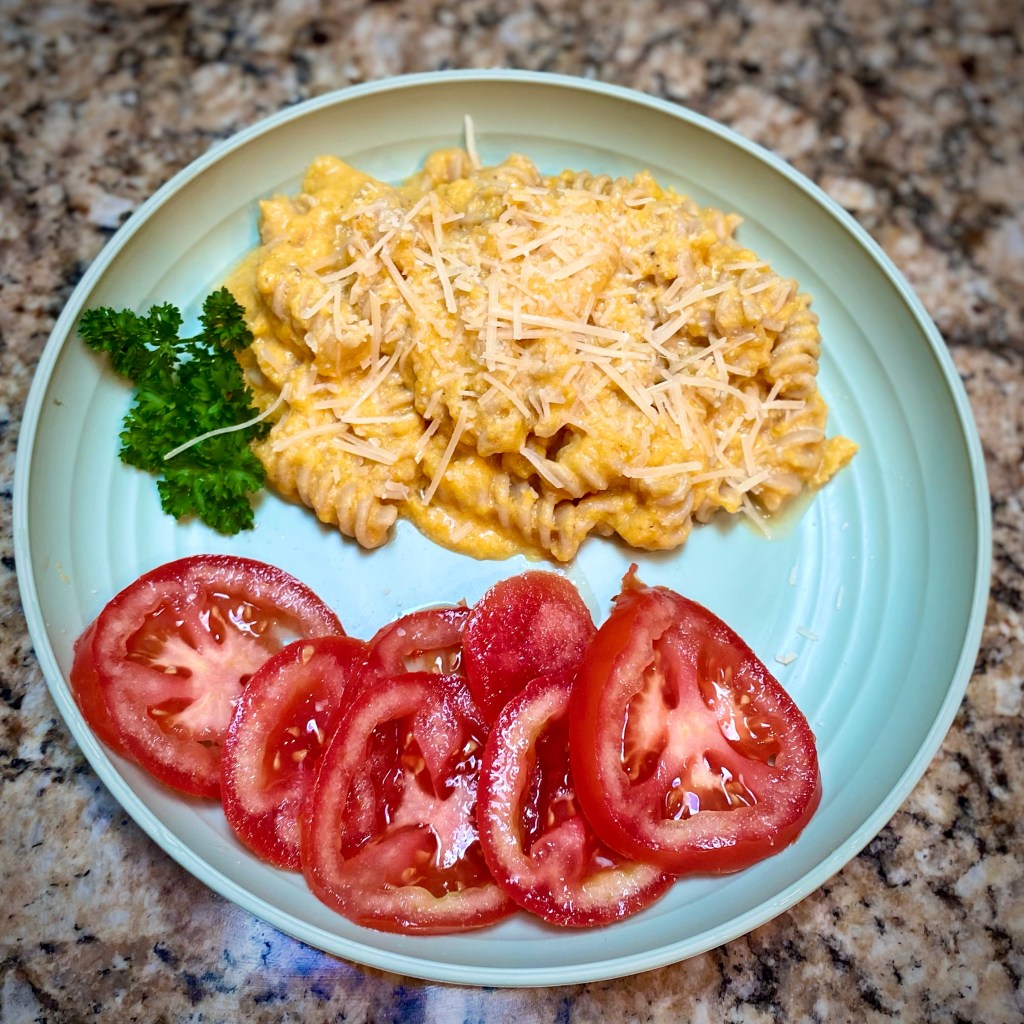
Butternut-Squash Macaroni and Cheese

This is a great little book which explains the DASH diet and how to implement it, plus it contains 144 pages of recipes. The idea behind the book is to adopt a healthy diet so that you can reduce your dependence on the pharmaceutical industry (1).

In the second chapter, author Nathalie Seaton explains the acronym DASH: Dietary Approaches to Stop Hypertension. U.S. News & World Report rates the DASH diet as #2, overall, just behind the Mediterranean diet (2). The DASH diet was based upon studies by the National Institutes of Health (NIH) to prevent and control high blood pressure.

As with all diets, please see your personal physician before making any changes. Some diets may be harmful for certain individuals, so an examination and medical history should be completed with your medical team first.

Besides outlining what foods are included in this diet, the book also includes a list DASH drawbacks, some very important considerations (1):

  • The sodium restriction can be quite difficult, especially if you are used to convenience foods, eating out, or keeping a salt shaker nearby.
  • It’s not an inexpensive plan, as fresh foods are required which are more costly.
  • Convenience foods should be avoided, which can be a burden for those who are busy.
  • There isn’t a good support system in place. Support groups are helpful for most of us when actively losing weight.
  • It requires tracking to see that you have included all the servings of the food categories.
  • This diet is designed to maximize health, not weight loss.
  • There are health conditions which may make this diet inappropriate for some of us.

This diet does have many benefits, so I hope I haven’t scared you off (1). The DASH diet

  • Eases the symptoms of hypertension.
  • Includes highly nutritious foods.
  • May improve kidney health.
  • Likely improves your cholesterol profile as well as your glucose tolerance.
  • Reduces inflammatory response factors for diabetics.
  • Helps with weight loss.

Early chapters in this book explain what to eat, compare DASH to other popular diets, and make exercise suggestions.

The largest section of the book is comprised of recipes. All the usual categories are included, like Breakfasts, Appetizers, Main Dishes, Side Dishes, and Snacks & Desserts. There are no photographs of the recipes; however, each one includes these nutritional values: calories, total fat, saturated fat, cholesterol, sodium, total carbohydrates, fiber, sugar, and protein.

The photo above shows the vegetarian main dish I chose to make, Butternut Squash Macaroni and Cheese. The instructions were easy to follow and the food was relatively tasty. I was pretty skeptical about substituting squash for most of the cheese, but the texture wasn’t too far off. Really what was missing was the salt! It would be a simple matter to just add some, but then we’d be getting away from the main premise of this book. (The shredded Parmesan on top was not a part of the recipe, but it just needed a little extra appeal – especially since I had omitted the olive oil.)

I recommend DASH DIET for Beginners because it has some very clever recipe edits that will help you to eat healthier without sacrificing too much taste. It won’t produce rapid weight loss, but can definitely be a part of maintaining our healthy weight.

(1). DASH DIET for Beginners: Lower Blood Pressure, Reduce Cholesterol, and Manage Diabetes Naturally. Nathalie Seaton. 2021.

(2). https://health.usnews.com/best-diet/best-diets-overall

In the News: Contemplating “The Whale”

A Scene from Moby Dick

I’m not keenly interested in movies, but when I read about The Whale in my news feed, I felt compelled to watch it. I was expecting an uncomfortable depiction of obesity, something like My 600 Pound Life or The Biggest Loser but with an artistic bent. However, screenplay author Samuel D. Hunter takes things in a very different direction.

This movie does focus on the life of a morbidly obese man named Charlie, but it touches on so many topics and expresses the protagonist’s feelings on so many levels. I believe that everyone can find a worthwhile message to take away from this film. I believe that the experience of watching The Whale can create a change in us for the better.

There are many mysteries here to solve – not just the obvious one: why did Charlie get this large? I’d like to know why he misplaces and misuses his devotion. I’d like to understand why he feels that he’s only worthy of disdain. His lack of self-esteem becomes particularly clear when he asks his daughter, “Who would want me to be a part of their life?” (1).

Charlie, played with such feeling and grace by Brendan Fraser, is decidedly not alone in feeling this way. Every character in The Whale is damaged through the significant challenges they faced in their lives. Every character suffers from some form low self-worth, manifested in different ways. Instead of feeling that Charlie is isolated due to his weight, I felt a oneness – that we all carry a burden we must bear.

Some may feel that people in Charlie’s condition provoke feelings of sympathy. Something like, “That poor obese man!” Instead, Charlie has my empathy. Being massively flawed is something we all share – it’s part of the human condition.

And the characters have also reacted in different ways to live with their failings and their pain. While Charlie uses food as his coping mechanism, we can see that each has their own compulsions. No spoilers here, but if you watch the film, you’ll see what I mean!

There are several spiritual messages to be addressed as well. From the mysterious and highly coincidental appearance of a young missionary at the start of the film to the closing scene, I felt a need to re-examine my own spirituality or lack thereof.

The use of the classic novel Moby Dick is seen by some viewers to elicit thoughts of inhumanity, as if Charlie is an animal rather than a man. I believe that this is a very surface criticism. There is one particular scene that evokes this imagery, but there are many others that show the opposite in a more subtle way. Charlie is the most human and humane character in the film.

Instead, I believe that Moby Dick is employed to illustrate the unrelenting obsession that we can have – and must avoid – when chasing the idea of punishment or vengeance. (Every major character in this Darren Aronofsky film seems to face old regrets with a destructive attitude.) The compulsion of Captain Ahab is reflected in the actions of several characters in The Whale, not just Charlie’s compulsive eating. I wonder if some of these critics actually watched the movie to its conclusion, or watched or read Moby Dick.

Although the film is visually and psychologically disturbing at times, it is really the reviews that bothered me most. Some believe that it encourages fat-phobia, while I believe it does just the opposite. If you take in the messages of this movie, you can’t help but feel the nobility of Charlie. Yes, he’s misguided in some ways, but his heart and love is huge – overwhelmingly so. He is as we all are: imperfect. The Whale can help us to look deeper into the value of a person, regardless of outward appearance. But only if we let it…

If you’ve seen The Whale, I’d love to read your views. Are they similar to the negative critiques, or does this film somehow make you feel optimistic as it did for me? Does it change your feelings about the struggle of obesity?

(1). https://www.moviequotesandmore.com/the-whale-movie-quotes/

Self Care: Sunlight

I’m fortunate to live in a temperate climate, with beautiful sunrises and sunsets!

Are you looking for an easy way to uplift your spirits and your health? One that doesn’t require a lot of hard work or a big time commitment? How about a free therapy that can help with weight loss and even some diseases? Look no further than your own backyard or the nearest park!

Before changing anything in your health routine, it’s important to check in with your personal physician. Your medical history and genetics can be crucial factors in determining what would work best for you.

There are a number of studies that show a relationship between sunlight and weight loss.

  • In 2020, scientists in Cincinnati conducted experiments on the effects of sunlight on mice. “The study shows that light exposure regulates how two kinds of fat cells work together to produce the raw materials that all other cells use for energy. The study authors go on to say that disruptions to this fundamental metabolic process appear to reflect an unhealthy aspect of modern life–spending too much time indoors” (1).
  • A 2017 study in Edmonton, Canada found that “When the sun’s blue light wavelengths — the light we can see with our eye — penetrate our skin and reach the fat cells just beneath, lipid droplets reduce in size and are released out of the cell. In other words, our cells don’t store as much fat” (2).
  • At Northwestern University, a study found an association between early morning sunlight exposure and lower body mass index (BMI). “ ‘Light is the most potent agent to synchronize your internal body clock that regulates circadian rhythms, which in turn also regulate energy balance,’ said study senior author Phyllis C. Zee, M.D. ‘The message is that you should get more bright light between 8 a.m. and noon.’ About 20 to 30 minutes of morning light is enough to affect BMI” (3).
  • A 2016 study found that sun exposure could prevent obesity and metabolic syndrome in animal subjects. The scientists maintained that further study would be needed to determine the safety of increased sun exposure (we must take skin cancer risks into consideration) (4).

All of these positive effects are in addition to the any other psychological and medical improvements which also may affect weight. For example, deficiencies in vitamin D (AKA the sunshine vitamin) are common and affect many body processes. These include bone and joint pain as well as muscle weakness which certainly are important to our fitness. In fact, 35% of Americans have a vitamin D deficiency (5)!

Sunlight is known to help with many other conditions. Some examples are: depression, colon cancer, Hodgkin’s lymphoma, ovarian cancer, pancreatic cancer, prostate cancer, psoriasis, eczema, jaundice, and acne (6).

So it seems clear that some morning sun exposure can be yet another tool to use in maintaining our healthy weight – given that we are cautious to avoid overexposure and skin cancer risk.

Taking into consideration both science and safety, let’s look at a partial list of Kiki Ely’s suggestions in The Complete Guide to Self Care: Best Practices for a Healthier and Happier You (7):

  • Plan to get up about 15-20 minutes earlier than normal by setting an earlier alarm. The author suggests doing this for 5 days in a row.
  • Head outside early – just after the sun is rising if possible. It may take a bit of routine juggling to coordinate this.
  • Relax and enjoy those early morning sun rays. Concentrate on the positive light and energy that surrounds you.
  • Though Ms. Ely suggests doing this seated and relaxed, I find that I enjoy doing this walking. It increases my energy plus it burns a few extra calories!

Do you try to get an early start to catch those morning rays? The early morning sun is as beautiful as it is healthy. Enjoy free therapy when your weather permits!

(1). https://www.eurekalert.org/news-releases/748003

(2). https://www.medicalnewstoday.com/articles/320592

(3). https://news.northwestern.edu/stories/2014/04/morning-rays-keep-off-the-pounds

(4). https://www.ncbi.nlm.nih.gov/pmc/articles/PMC5086738/

(5). https://my.clevelandclinic.org/health/diseases/15050-vitamin-d-vitamin-d-deficiency

(6). https://www.healthline.com/health/depression/benefits-sunlight#benefits

(7). The Complete Guide to Self Care by Kiki Ely (c) 2020.

Food Prep: Clean Slate – A Cookbook and Guide

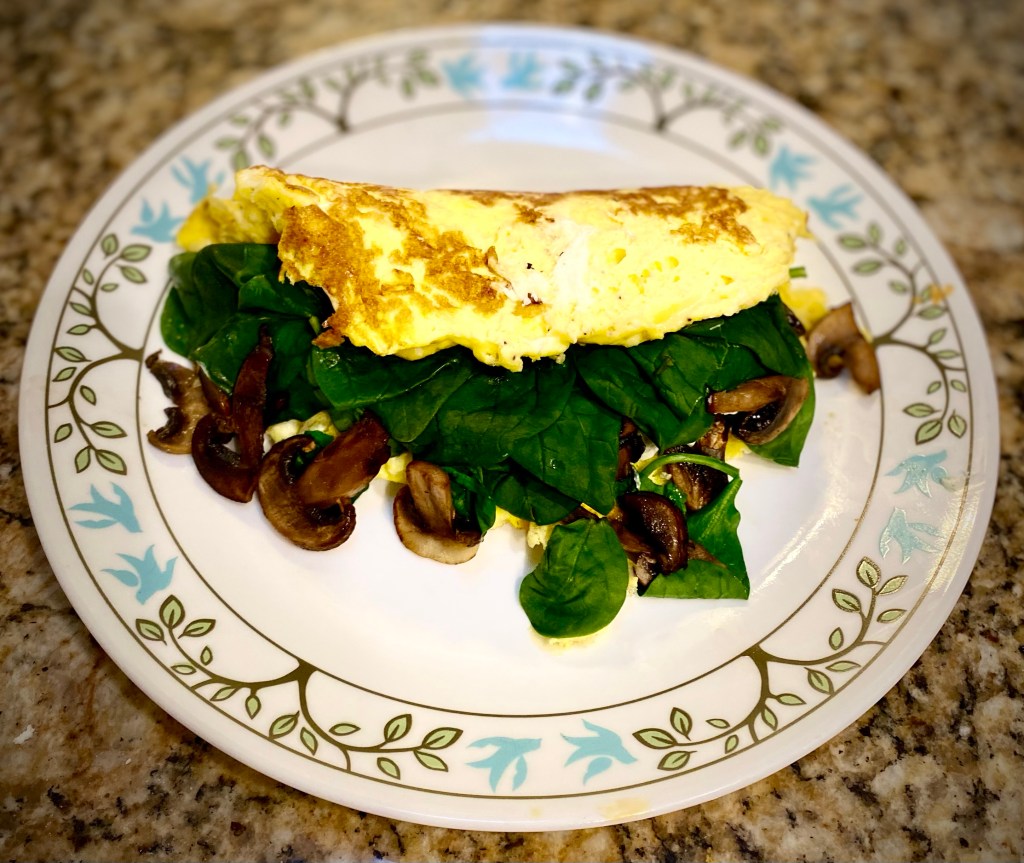
Mushroom & Microgreen Omelet (substitute baby spinach for micro greens)

Today I’m reviewing a book from the editors of Martha Stewart Living, Clean Slate: A Cookbook and Guide – Reset Your Health, Detox Your Body, and Feel Your Best. There are quite a lot of promises in that title.

The first 70 pages of this book are all about the principles of clean eating, which are this book’s “Golden Rules” (1).

  • Choose whole foods over processed.
  • Embrace a plant-based diet.
  • Engage in an active lifestyle.
  • Make sure to get enough fiber.
  • Boost energy with lean protein.
  • Pay attention to how you feel.
  • Establish smart meal planning habits.
  • Maintain a healthy perspective.

In general, these rules can be a part of your maintenance plan. They are spelled out in the book, along with information on how to restock your kitchen with healthy foods which you’ll need for the recipes that follow.

In addition to this, 3 and 21 day action-plans are included along with menus. I’m not a fan of the suggested menus as they are all rather low in calories and protein. I don’t think they would optimally support your health, particularly if you are exercising.

For example, for the 3-Day Action Plan, you would only be eating:

  • Strawberry, Grapefruit, and Ginger Smoothie – 100 calories per serving, 1.4 grams protein per serving (recipe makes 3 servings)
  • Beet, Avocado, and Arugula Salad with Sunflower Seeds – 238 calories per serving, 5 grams protein per serving (recipe makes 3 servings)
  • Carrot, Spinach, and Green Bean Soup with Dill – 254 calories per serving, 5 grams protein per serving (recipe makes 3 servings)

The 3-Day Action Plan is the most restrictive part of the book, but the calories and protein are so low as to be considered a crash diet. If you only consumed a single serving at each meal as directed, you would be eating a total of 592 calories and 11.4 grams of protein per day! This is far below any reputable recommendation. Even the 21-Day Action Plan has inadequate calories and protein, though not nearly to this extent.

The recipes, however, look amazing. They are creative and fresh. Each includes a great photo and most show the following nutrition facts: calories, fat, saturated fat, cholesterol, carbohydrates, protein, and fiber. Unfortunately sodium is omitted. Sugars would also be a useful addition, especially since there are dessert recipes with significant sweeteners and dried fruits.

Although this book suggests eating a plant-based diet, there are quite a few recipes which use seafood, chicken, eggs, and dairy products. So this is not a vegan or vegetarian cookbook but is very plant friendly. I’d put it in the Mediterranean type of category although the recipes don’t necessarily originate in the Mediterranean region.

The recipe instructions are very clear and easy to follow. However, you may find that the recipes require ingredients that aren’t easy to come by. Some ideas for substitutions are given, and I used the suggestions for the meal I made, the Mushroom and Microgreen Omelet (baby spinach substituted for microgreens).

This could be a good addition to your cookbook library if you are looking for new recipes. Many times, we need to change things up from our worn out diet recipes. However, I cannot recommend Clean Slate: A Cookbook and Guide for its diet plans which are far too extreme.

Please seek professional medical advice before changing your diet. Reading the plan outlined in this book was a good reminder that we should not blindly follow the instructions given in a book, even those from a popular author.

(1). Clean Slate: A Cookbook and Guide. Editors of Martha Stewart Living. 2014.

Coursework: Food Insecurity & Obesity

Perhaps you’ve encountered this paradox: many people who experience low food security have an increased risk of becoming overweight or obese (1). On the surface, this seems odd – that you might have a shortage of food yet are likely to weigh more than those with ample food choices. I believe that last word gives us the key to unlocking the paradox: choice.

When funds are scarce, it’s difficult – or even impossible – to make the best nutrition choices. Parents may be concerned by their children’s future, people working multiple jobs may be too exhausted to cook fresh meals, some may not have adequate appliances to store or prepare food, the list is endless! When you are rightfully obsessed with your own survival, how can you possibly make well considered choices? I’ve never been in this position, but I feel that I’d be grabbing the chocolate and comfort foods whenever I could. Maintaining a healthy weight would not be on my mind.

Nearly 23% of people with obesity in the United States have reported food insecurity, compared with 15% of people with moderate weight. This association with obesity has doubled since 1999–2000, according to a recent analysis of trends in food insecurity (2).

What exactly is food security? There are four conditions which must be met to have secure access to a nutritious diet: (3):

  • Food must be physically available to you.
  • You must have sufficient income to purchase the food.
  • You must be able to prepare, eat, and biologically utilize the nutritious food.
  • Your food supply must be unaffected by political, weather, or other outside forces, which could result in an adequate food supply.

According to the Food and Agriculture Organization of the United Nations, there is a cycle at work here which is difficult to overcome (3). See the image below:

fao.org

While the problem is not as severe in some nations, we can see what’s at work here in the United States. Poverty limits food choices, and in extreme cases, availability. This results in improper nutrition, which is often manifested in the United States as overweight and obesity. Poor health is the eventual outcome from malnutrition (this can be over or under weight), which in turn decreases productivity, leading back again to increased poverty (3).

In developed or economically advantaged nations, we may wonder why the government doesn’t step in with appropriate measures. There is definitely an economic cost to the nation due to this cycle. The costs of providing nutritious foods could well be offset by increased productivity and decreased medical expenses. Of course this is over and above the social and psychological costs associated with malnutrition (in its many forms).

As you may have previously read, it my desire to keep this website free from politics. So it might be best to consider what we might do as individuals to help with this paradox. Is this a call for action? Or a request that we change our inaction to benefit our neighbors and our nation?

Surely we cannot adequately feed the poor on our own, but we can try the ideas listed below to support others. Let me know if you think of any additional ways to help.

  • When donating to a food bank, consider giving nutritious canned fruits and vegetables rather than just old castoffs. Apparently the nutritional value of foods donated is often not very high (4). If the poor have few good options, we can’t expect good outcomes.
  • Organize or volunteer at a food drive (5).
  • Many communities have a Meals on Wheels program. There is often a long waiting list for the elderly to receive this important service. Consider volunteering if there is a need in your area (6).
  • Volunteer at an aid group or food bank (5). You can have a direct impact on food security in your own town or city.

Don’t forget about the benefits to your own health when you volunteer! See this post for more details: https://lindawbrowning.com/2023/01/26/self-care-volunteering/

I’ve put this post in the Coursework category as the topic was inspired by the Coursera Class, Understanding Obesity (the very end of Unit 3). There are three blog posts about this class: https://lindawbrowning.com/2023/01/02/coursework-understanding-obesity/ , https://lindawbrowning.com/2023/01/19/coursework-understanding-obesity-unit-2-of-3/ , and https://lindawbrowning.com/2023/01/24/coursework-understanding-obesity-unit-3-of-3/ .

(1). https://www.ncbi.nlm.nih.gov/pmc/articles/PMC7577435/

(2). https://www.medicalnewstoday.com/articles/food-insecurity-in-the-us-increasingly-linked-to-obesity

(3). https://www.fao.org/3/al936e/al936e00.pdf

(4). https://www.ncbi.nlm.nih.gov/pmc/articles/PMC7577435/#__ffn_sectitle

(5). https://www.goodrx.com/well-being/diet-nutrition/help-with-food-insecurity

(6). https://www.mealsonwheelsamerica.org/

In the News: Looking Older After Dieting?

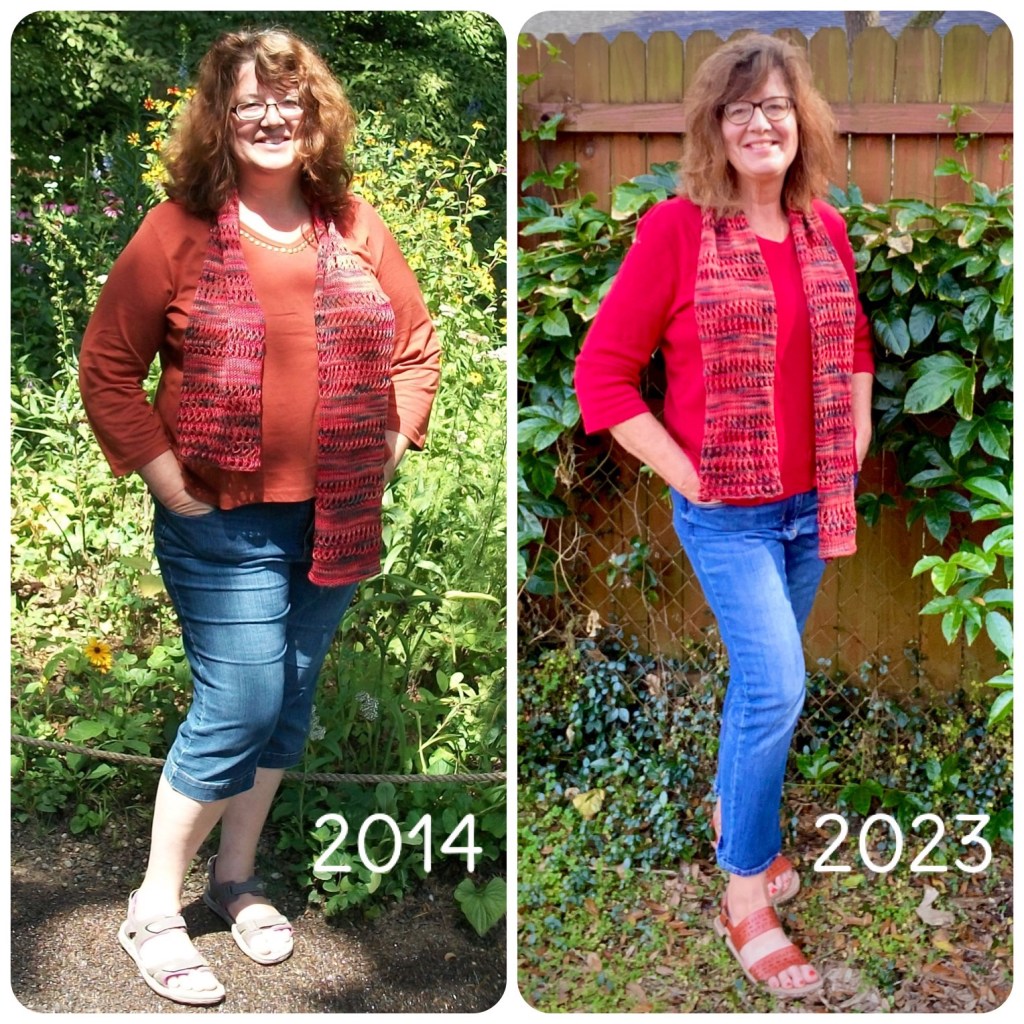
Ages 52 and 61, little to no makeup,
62 pounds lost, not retouched or significantly edited.

I’ve been wanting to write about looking younger after dieting for quite some time. However, cursory research revealed that most people believe that losing weight makes you look older, not younger. And there are few articles on feeling younger, as opposed to looking younger.

At this point, I began to believe that it’s the way you lose weight that affects how old you look and feel.

If you do a search, you’ll find that the majority of sources claim that dieting will age your appearance. The latest news stories have popularized a new term, “Ozempic Face” (1). While crash diets have always been with us, new medications that were originally prescribed for diabetes have made weight loss even quicker. Facial wasting is generally caused by rapid weight loss of 40-50 pounds or more (1).

But by digging a bit deeper, you will come across articles that claim that eating certain wholesome foods can cause you to look younger. These include many components of healthy diets:

  • Lose weight slowly, about 1 pound weekly, to decrease loose skin (2).
  • Exercise to improve muscle tone (2).
  • I find that exercise also improves posture, which needs added work as we age – poor posture ages appearance.
  • Exercise may actually decrease aging on a cellular level (3).
  • Exercise generally improves sleep – and we all know that you don’t look your best when your sleep is disrupted (3).
  • Exercise improves blood flow which improves the appearance of your skin (3).
  • Include olive oil in your diet as monounsaturated fats may reduce skin aging (4).
  • Green tea is another great addition to your diet if you’re concerned about premature aging (4).
  • Foods high in Omega-3 fatty acids, like fatty fish, flax seeds, and nuts, can help (5).
  • Supplement with cocoa flavanol based beverages, according to a study in Korea (5).
  • Increase your consumption of vegetables, particularly carrots, pumpkins, leafy greens, bell peppers, tomatoes, broccoli, and sweet potatoes (4).
  • Increase your consumption of fruits (4).

Are you noticing the same pattern here that I did? Losing weight slowly with a healthy diet and more exercise may help with aging. Losing weight quickly through extreme dieting and drugs can lead to more loose skin and wrinkles (2) (6).

If you are maintaining your healthy weight by decreasing your consumption of highly processed foods, you are doing even more to slow the aging process! Eating three or more servings of these foods can lead to premature aging (7).

What have you found on your weight maintenance journey? I’m guessing that you feel younger, but on the whole, do you look younger too?

(1). https://www.nytimes.com/2023/01/24/style/ozempic-weight-loss-drugs-aging.html

(2). https://www.livestrong.com/article/420401-does-losing-weight-make-you-look-younger/

(3). https://www.health.com/fitness/15-ways-exercise-makes-you-look-and-feel-younger

(4). https://www.healthline.com/nutrition/foods-that-support-healthy-aging#TOC_TITLE_HDR_2

(5). https://www.bodyandsoul.com.au/diet/weight-loss-collections/diet-face-does-your-face-give-away-your-dieting-habits/news-story/fde588fff23a9a418dff5981482a411b?amp&nk=a06dcf548d5e3a92e9bc92af1698ed35-1674416959

(6). https://www.eatthis.com/worst-exercise-habits-aging-you-faster/

(7). https://www.insider.com/processed-foods-could-speed-up-cell-aging-according-to-science-2020-9?amp

Food Prep: The Everything Guide to the MIND DIET

Spinach and Walnut Stuffed Mushrooms

Have you heard of the MIND diet? This acronym comes from the Mediterranean/DASH Intervention for Neurodegenerative Delay diet. It was designed to lower your risk of developing Alzheimer’s disease, and was found to be highly effective (1).

The MIND Diet was conceived as a way to reduce dementia. At the time of research at the Rush University Medical Center and the Harvard Chan School of Public Health, Alzheimer’s was the sixth leading cause of death in the United States. (It is currently seventh due to the effects of the pandemic (2).)

This balanced and healthy way of eating resulted in up to 53% lower rate of Alzheimer’s disease for participants. Over 1,000 older people participated in the study for 9 years and two cognitive examinations. The MIND diet was found to be even more effective than the (already quite helpful) Mediterranean and DASH diets (3).

This book explains the key concepts of the diet, including what to eat and what not to eat. Examples of what to eat include: green leafy vegetables, other vegetables, nuts, blueberries, whole grains, beans, fish, poultry, olive oil, and red wine. The list of foods which should be avoided contains the usual culprits: red meat, butter, margarine, cheese, desserts, added sugar, fried foods, and fast food (1).

Author Christy Ellingsworth also explains other benefits of MIND DIET. Of course, most healthy programs will benefit your weight maintenance and health. The pluses of the MIND diet include reducing blood sugar and cholesterol levels, as well as reducing inflammation, improving immune response, and benefitting your heart.

Lifestyle changes are also suggested which are recommended with all healthy eating regimens. These include all forms of self-care from exercise to adequate sleep. Sound familiar?

The majority of The Everything Guide to the MIND Diet, nearly 300 pages, is basically a cookbook. This is very refreshing for a “diet” book, as food preparation is key to succeeding in our long term weight maintenance journeys. Recipe categories include: breakfast, appetizers, salad, soups, vegetables, legumes, poultry, vegetarian, vegan, sauces, drinks, desserts, and occasional foods.

There is a great deal of information as well as hundreds of recipes. Unfortunately, there are no photos of any of the dishes. This is quite unusual for a book which is mainly recipes. It is not the most entertaining read. However, the recipes are well explained and include the following nutritional information on a per serving basis: calories, fat, protein, sodium, fiber, carbohydrates, and sugar.

I chose a recipe to use ingredients that I already had in my kitchen. This book has an index to facilitate that habit of mine. The Spinach and Walnut Stuffed Mushrooms were tasty and easy to make. I won’t deny that you could tell that this was a low cal recipe, but we still really enjoyed the dish. The author also made suggestions for substitutions, and I did use those ideas. These yummy shrooms would be perfect as an appetizer, or to serve with other sides for a meal as shown.

Have you tried the MIND Diet, or the similar Mediterranean and DASH Diets? Which works best for you?

(1). The Everything Guide to the MIND Diet. Christy Ellingsworth, Murdoc Khaleghi, MD. 2016.

(2). https://www.cdc.gov/nchs/fastats/leading-causes-of-death.htm

(3). https://www.hsph.harvard.edu/nutritionsource/healthy-weight/diet-reviews/mind-diet/

Exercise & Self-Care: CycleBar – Putting Yourself Out There

Are you the type of person who likes to try new things? I’m always ready for new hobbies, new foods, new music, and new places. But I can’t recall trying a new form of exercise in many, many years.

Before embarking on any new fitness activity, check with your medical provider to see if it’s a good fit for you!

Why would I treat exercise differently than the rest of my life, especially considering that I do it on a daily basis? It was my sister Carol who suggested that I might be getting bored with my old routine – that I need new challenges. Why not try a spin class?

It’s probably a lack of confidence in my case. I’ve never been athletic, or even well coordinated. As a child, I was told that I was a “klutz.” Sound familiar? I thought I’d feel foolish doing something challenging and new – in a room full of strangers. I’m not young, and not in particularly good shape, but at this point in my life, I am up for something new.

I took a chance and headed for the nearest CycleBar, in Heathrow, Florida. It’s such a beautiful facility, full of upbeat people and shiny equipment. The cycling room is dark but with colorful lights – puts you in the mood for riding to the beat of the music. The darkness also takes the focus off you and comparing yourself to others. (It was a diverse group with a wide range of abilities.)

The most unusual part is the special shoes that clip onto the bike. Wasn’t sure why that was necessary, until it was! Oops! I didn’t realize that you stand while you cycle. I haven’t done that since I was a child. My first attempt was awkward, but I eventually figured out the rhythm – it’s just something you have to experience firsthand.

We also did some upper body work with weighted bars that are stored on the front of the bikes. I really enjoyed that part which surprised me. It took my mind off my legs! The ride ended with some nice stretches for both upper and lower body. It’s great to finish up that way, and hopefully it will help with sore muscles.

There was one negative, which I did read about in advance: the saddle. It’s surely not designed for comfort. But maybe that pushes you more to stand up and work harder? It’s not a huge issue, but know going in that it’s not a cushy seat.

The cycles record a lot of data which is available to you after the ride through the CycleBar app. It will be fun to see improvements over time. I will definitely push a bit harder next time!

Here is a photo with my instructor, Nicole. She really helped me through the process, as did Alana in the office. All in all, a positive experience! Give it a try when your old workouts need an intensity boost!

When writing this post, I had some difficulty categorizing it as simply exercise. So many of my thoughts about trying a new and more difficult type of movement are caught up in old life experiences, which makes this a form of self-care. Exercise is also self-care, but I feel that reaching out into a new place puts this more squarely in the self-care category.

Medical Challenges to Weight Maintenance

I’m not looking for something to blame; I’m looking for something to explain.

This is how I feel about the medical conditions and medications that have an association with weight gain. If we can understand the reasons, we will be closer to finding the solutions.

Please speak with your own physician to find out if these, or many other conditions or situations, could be holding you back on weight maintenance journey. I have no medical background, so they will be better equipped to help you.

I never thought much about the medical reasons for weight gain, and how they can be addressed by medical providers. But when I finally got my appointment at the Mayo Clinic Bariatric Center in Jacksonville, Florida, I saw how they were so intent on finding contributing conditions. So I thought I’d share some of these ideas here.

If your doctor is unable to help you, please consider getting a second opinion or visiting a bariatric center that is associated with a hospital or other reputable, licensed provider. You don’t need to be alone in this.

Here are some possible reasons for weight gain or difficulty in maintaining a healthy weight:

  • Medications – an obvious first culprit, as many medications have weight gain as a side effect if you read the accompanying literature. See if your doctor can prescribe an alternative if you feel your medications are contributing to your difficulties. I am on one myself, and there are no alternatives, so I must continue to take it or risk the return of cancer.
  • Vitamin or mineral deficiencies – generally an easy fix for this one, but it requires your physician to order blood tests. My B 12 deficiency cleared up in just a few months, but each case is different. (While a B12 deficiency may not directly cause weight gain, this, and many other deficiencies, can cause fatigue which affects your activity level.)
  • Sleep apnea – this one is particularly insidious. You are more likely to have sleep apnea if you are obese, and if you have untreated sleep apnea, it’s more difficult to lose weight. Insufficient sleep increases the hormones which make you feel hungry. In addition, studies have shown that all other things being equal, dieters who sleep fewer than 7 hours nightly lost less weight – even though they consumed an identical number of calories (1).
  • Hormone imbalances – very complex and impossible for me to cover adequately, but there are many possibilities here! We often associate these with women’s health, but men are affected as well. Here are a few that may become culprits if they are out of balance: thyroid, estrogen, androgen, insulin, growth, cortisol, leptin, ghrelin, prolactin, and pituitary (2). For more on leptin and ghrelin, see my blog post Coursework: Understanding Obedity Unit 2: https://lindawbrowning.com/2023/01/19/coursework-understanding-obesity-unit-2-of-3/
  • Genetics – not surprising that obesity seems more common in some families. But this is specific to our genes, not environmental or behavioral factors that play a role in eating habits (3). There are two main types of genetic obesity, monogenic and polygenic, but they share similar causes (4). They can appear early in life, particularly in the monogenetic type, or develop over a lifetime due to more subtle polygenic causes (4). If you suspect that genetics plays a role in your weight management challenges, it would be a good idea to speak to your doctor or a genetic counselor. (Keep in mind that single-gene syndromic and nonsyndromic disorders account for about 5% of obesity cases worldwide (5).)

If there are medical causes to your weight maintenance difficulties, see if there are treatments, dietary changes, or other steps you can take to help overcome them. The best way to do this is to seek medical advice from licensed, reputable providers. You and your health are too important to shortchange!

(1). https://www.webmd.com/connect-to-care/sleep-apnea/sleep-apnea-and-weight-gain

(2). https://www.endocrinewellness.com/hormonal-weight-gain/#toc-header-1

(3). https://www.cdc.gov/obesity/basics/causes.html

(4). https://www.nature.com/articles/s41576-021-00414-z

(5). https://academic.oup.com/ajcn/article/91/1/5/4597188

Exercise: Cycling

Here is an exercise that nearly everyone can do, even those who have mobility limitations. And it’s as effective as it is easy! Is cycling part of your weight maintenance routine?

Before embarking on any new fitness activity, check with your medical provider to see if it’s a good fit for you!

There are numerous benefits to exercising with a bike such as:

  • Improves cardio fitness
  • Excellent at burning calories, depending upon speed and/or resistance
  • Strengthens your lower body
  • Provides a low impact exercise
  • Great for interval training if you vary your speed and resistance appropriately
  • Safe in terms of accidents if done on a stationary bike (1)
  • Reduces pain in my knees, allowing me to walk farther (my experience)
  • Associated with a lower risk of early death for those with diabetes, and this likely applies to non-diabetics as well (2)
  • Fun!

There are many options for cycling your way to improved fitness:

  • Spin classes can really encourage you to cycle at your peak. This would burn more calories and improve fitness faster, but be cautious here if you’re not experienced.
  • Riding at home is a great option as stationary bikes can be bought inexpensively – try purchasing used or choose a low cost model.
  • Handcycles are the perfect option for those who wish to use their arms. They can also provide excellent aerobic exercise (3).
  • Riding outdoors provides even more choices, although safety is a greater concern with this form of cycling. That said, you can choose to ride on the street, a trail, or you can even give mountain biking a try (3).

In terms of typical stationary bikes, there are three major types:

  • Upright bikes position the rider above their feet, which provides a great cardio workout that also strengthens your core muscles.
  • Recumbent bikes put less stress on your joints. This type of bike is a great option for those with more limited mobility.
  • Dual action bikes work your upper body in addition to your legs. In many cases, the rider can choose to disable whichever part of the bike’s action they prefer. This way, they can focus on the desired area of the body (4).

Of course, cycles are found in basically all health clubs and gyms. But some clubs specialize in the use of stationary bikes. These are sometimes called cycle studios or spin studios. Have you ever tried a cycling or spin class? I haven’t…yet!

(1). https://www.healthline.com/health/fitness-exercise/stationary-bike-workout

(2). https://jamanetwork.com/journals/jamainternalmedicine/article-abstract/2782014?guestAccessKey=5e37adb5-2f8e-45d5-b53d-cccd1a622d11&utm_source=silverchair&utm_medium=email&utm_campaign=article_alert-jamainternalmedicine&utm_content=olf&utm_term=071921

(3). https://www.healthline.com/health/biking-to-lose-weight#safety

(4). https://www.thehealthboard.com/what-is-a-dual-action-exercise-bike.htm

Self-Care: Volunteering

By helping others, you can truly help yourself. Volunteering is an unexpected way to care for yourself. It’s definitely another tool we can use to help maintain our healthy weight. And it’s one with a far reaching positive impact.

Here are some of the benefits of volunteering:

  • It reduces stress (1).
  • It helps with depression (1).
  • It may decrease the risk of hypertension, which is a risk factor for heart attack and stroke (2).
  • It can help with weight loss, particularly if your volunteer work gets you moving (3).
  • It provides exercise, but without the conscious effort that normally accompanies rigorous activity (4).
  • This increased exercise results in greater fitness, which can make other physical work easier for the volunteer (4).

How might you find the right volunteer project for your needs, while serving others? One excellent website which I’ve used is Volunteer Match: https://www.volunteermatch.org/ There are likely others that might have opportunities where you live.

Brainstorm about how you can give back in your community. What are your interests? When might you be able to help? What is something you’d love to do, but you have never had the opportunity to try? Do you have a hobby or talent that you can teach or share with others?

Before you commit, you may have some questions that the organization can answer so that you’ll know if it’s a good fit:

1) What is the organization’s mission?

2) What time commitment are you looking for?

3) What specific duties will I be handling?

4) Who will manage me?

5) How will I get feedback on my work?

Finally, ask to speak with other volunteers to get a sense of how your time will be spent (4).

Does this spark any ideas on how volunteering can help with your weight maintenance journey? By helping to support our communities, we can also get the support we need to improve our well-being. Give it a try!

(1). The Complete Guide to Self Care by Kiki Ely (c) 2020.

(2). https://thinkhealth.priorityhealth.com/benefits-of-volunteering-its-good-for-your-health/

(3). https://www.unitedway.org/blog/this-year-resolve-to-help-yourself-by-helping-others#

(4). https://www.prevention.com/life/a20464681/how-volunteering-helps-your-brain/

Food Prep: The Anti-Inflamation Cookbook

Country Captain’s Chicken with Curry and Raisins

A friend lent me this great cookbook by Amanda Haas which is subtitled “The Delicious Way to Reduce Inflammation and Stay Healthy.” It’s not low calorie per se, but it’s clear that reducing inflammation in our bodies can assist in maintaining a healthy weight. It’s very difficult to get active and eat right if your body feels like it’s constantly under attack.

Ms. Haas tells her story about a lifetime of health issues. Finally, at the encouragement of a new doctor, she set out to address her concerns by creating recipes that are healthy and flavorful. She said, “I would literally cook my way out of pain, and into a healthier, happier life” (1).

This cookbook includes important background materials on inflammatory conditions, how to set up an anti-inflammatory kitchen, healthy foods that should be included in our diets, as well as foods to avoid. It has six recipe sections as follows:

  • Basics and make-ahead recipes
  • Juices, smoothies, and breakfasts
  • Snacks and appetizers
  • Vegetables and legumes
  • Fish, chicken, pork, lamb, and beef
  • Desserts

These recipes look healthy, but it’s important to note that this cookbook is not aimed at the dieter. It’s focus is on reducing inflammation. No nutrition facts are given for the recipes, though the vast majority seem to be low in calories. There is little dairy (goat cheese, yogurt, almond milk, and coconut milk are used) and no gluten. It appears that all meats are represented, as well as eggs. No artificial sweeteners are used, but limited amounts of cane sugar, honey, and maple syrup are present in some recipes.

The instructions are clear and most ingredients are easily obtained. The taste of the recipe I tried, Country Captain’s Chicken with Curry and Raisins, was fresh and delicious. Ms. Haas includes options for those with nightshade (tomatoes in this case) sensitivities.

This cookbook makes a useful addition to your collection if you’re looking for healthy food that’s not boring. The flavor combinations are a welcome change from typical diet fare. Be cautious with your fats when using these recipes and you’ll be fine.

(1). The Anti-inflammation Cookbook. Amanda Haas with Dr. Bradly Jacobs. 2015.

Coursework: Understanding Obesity Unit 3 of 3

This is a look into the content of the third unit of Understanding Obesity, a free class on Coursera*. You can also pay a fee to receive a certificate if you desire, but everyone has access to a record which shows your final grade with no charge.

Here are links to my prior posts on Understanding Obesity: https://lindawbrowning.com/2023/01/02/coursework-understanding-obesity/ and https://lindawbrowning.com/2023/01/19/coursework-understanding-obesity-unit-2-of-3/

This unit starts off with some interesting experiments which support the idea that are psychological components to eating. Experiments show that that distracted eating is a very real concern: if you are not paying attention to the amount of food eaten during a meal, you will have a tendency to overeat.

My favorite example concerns an experiment using a soup bowl that had a hidden tube, so that the scientists could manipulate the amount of soup in a bowl without the subjects becoming aware. The volume of soup was secretly increased while the experiment’s subjects were still eating. Yet, the subjects continued to eat, unaware that they were full because they didn’t see the bowl getting empty. Scientists discovered that your fullness is dependent upon how much you notice that you’ve eaten, not the actual volume of food consumed (1).

Consider an application of this idea: I bring out a bag of tasty chips to snack on while watching a movie. I’m really into this movie, happily and distractedly munching away while I watch. Before I know it, the bag of chips is empty. What just happened there?

This idea was expanded upon to include the effects of “portion distortion” (2).

“The US National Institute of Health … [states] that 20 years ago a standard bagel had a diameter of around 7.5 centimeters and contained 140 kilocalories. Now, a standard bagel has doubled in diameter and contains 350 kilocalories, an increase of 210 kilocalories. It’s not just bagels, of course, cookies, muffins, steaks and burgers have all got bigger” (2).

It’s easy to make the connection between the bottomless soup bowl and portion distortion. We believe that we are still eating one bagel for breakfast, but in fact it’s more than twice as much food as we consumed 20 years ago. Assuming that the calories in toppings such as cream cheese are similarly doubled, and your beverage also increased in size – you are now having perhaps 400 extra calories without much conscious thought!

The final segments of the course are from quite a different approach – economics rather than medicine. Since my background is in economics, I found this portion to be particularly interesting. Others may disagree!

At the heart of this is behavioral economics, which aims to understand how and why people make choices. If the government or an institution can predict consumer behavior, they can make policies that will basically manipulate consumers. It’s pretty clear that these ideas can be used in both helpful and harmful ways depending upon the intent of the business or agency.

One simple example is default options at restaurants. If a large meal is the default option on a fast-food menu, and customers are in a hurry since it’s fast food they’re buying, the restaurant will sell more large meals. It’s in the restaurant’s best (short-term) interest to do this, so they can maximize profits. They have nudged their customers in the direction that benefits the business.

What if the government intervened, forcing or incentivizing businesses to make it more convenient for consumers to choose the healthier option or the smaller portion size? Some would quickly point out that the government is trying to exert control over us. We don’t like that, right? So does this mean you’d prefer that a mega corporation exert control over you instead?

Have you seen the documentary Super Size Me (3)? It’s really an eye-opening experience and worth taking a look. The maker of the film gained 24.5 pounds in just one month – but took 14 months to lose it all. Sounds familiar…

What we want is likely neutrality, but when does that exist? We have lobbyists trying to affect policies coming from every side. This is a very difficult problem, perhaps best solved by all of us planning out what we will eat in advance or preparing our own food. Then we will have the ultimate control rather than business or government interests.

(1). https://www.coursera.org/learn/understanding-obesity

(2). https://d3c33hcgiwev3.cloudfront.net/bc4db21dd7d80dadc12a91cdc0170de2_MOOCcast-3.1-transcript.pdf?Expires=1674604800&Signature=FrwXJ6X37~-qavJHFOjUenhYBe~Ga0y6J5x7Oj~EiOLtKip6Vs5VxNtLaU~MxLHbqg6R3ZKaQc0AUope3Lt7rkrmauMB4RFCKfjt-wg2vf3j2siBDhWU3JgDyA7FfDYL-M3e2uYXRJ1e3rF-KD~PksCClcaVAEiKcwjycb6iJTQ&Key-Pair-Id=APKAJLTNE6QMUY6HBC5A

(3). https://m.imdb.com/title/tt0390521/

* The section of this unit on food insecurity will be discussed in a later post. There is also a fourth unit, but that one is just two essays and test – no new material.

In the News: Intermittent Fasting

You are an intelligent person – an individual who knows what works best for your own body and mind. But there is so much for all of us to learn. It’s hard to keep up with so many conflicting opinions – especially with experts changing their advice, which we hope is based upon the objective findings of science. There is some disagreement, even among scientists, as to which dietary and exercise programs are best.

I think an excellent example of a popular diet with considerable controversy is intermittent fasting. While some swear by it, others completely reject it.

Intermittent fasting is generally the practice of avoiding any foods or beverages with calories during a specific time frame. There are countless variations, which may involve abstaining from food during certain hours or days of the week. Also, sometimes particular types of food are avoided or eaten.

This type of diet is not for everyone and should definitely be avoided by children and adolescents, those who are pregnant or breastfeeding, diabetics, those on certain medications, and those who have any history of an eating disorder (1). If any of these sound like you, please try another approach. And anyone considering intermittent fasting should speak with their medical provider before starting.

Perhaps you saw a news story last week about intermittent fasting based on this long term study published in The Journal of the American Heart Association: Association of Eating and Sleeping Intervals With Weight Change Over Time: The Daily24 Cohort (2). This story was featured by most media sources, and the results were put in understandable language for us.

The researchers did not find a link between weight change and the practice of limiting food intake to a specific time window — often referred to as intermittent fasting. Nor did they find an association between weight change and the timing of a person’s first meal after waking up or last meal or snack before bed (3).

Instead, it has been shown that eating smaller meals of about 500 calories or less was more likely to result in weight loss (4). So feel free to choose whatever healthy, low calorie meals work best for you.

There is one other very serious concern with intermittent fasting diets: they may lead to disordered eating (5).

In a recent study of young adults and adolescents in Canada, significant association was found between intermittent fasting and eating disorder psychopathology (6). This was true for men, women, and transgender/gender non-conforming dieters using intermittent fasting, but the closest relationships were between intermittent fasting and women (6).

I hope that regardless of what type of diet plan you choose for weight loss and maintenance that you will seek the advice of a medical professional. There are so many questionable programs out there. Stay healthy – stay safe!

(1). https://www.healthline.com/nutrition/6-ways-to-do-intermittent-fasting

(2). https://www.ahajournals.org/doi/10.1161/JAHA.122.026484

(3). https://www.nbcnews.com/health/health-news/intermittent-fasting-isnt-linked-weight-loss-study-rcna66122?cid=sm_npd_nn_fb_ma&fbclid=IwAR0vr9nCZ1T1JZfe6jEawTuhSc8_-72zahLSlD06GyyZvYGRi3PpGU5j5mc&mibextid=Zxz2cZ

(4). https://www.insider.com/intermittent-fasting-vs-smaller-portions-for-weight-loss-study-2023-1?amp

(5). https://www.medicalnewstoday.com/articles/intermittent-fasting-may-lead-to-disordered-eating-study-finds

(6). https://www.sciencedirect.com/science/article/abs/pii/S1471015322000873?dgcid=rss_sd_all

The School of Hard Diets

The opinions below are based on my personal experiences. Please work with your doctor or registered dietician to find a plan that will work for your individual needs.

Like most Americans who have struggled with maintaining a healthy weight, I’ve embarked on countless diets. I started early, when I actually was not overweight but believed that I was. Here are some of those plans: the good, the bad, and the ugly.

The Good

Some of my plans were actually good though I was unable to follow them long term. I probably wasn’t in the right frame of mind at the time I tried them, with the exception of the Mayo Clinic Diet.

  • The Mayo Clinic Diet, 2022 to present. This has been my most successful plan. Lesson learned – you have to find a balance between flexibility and rigidity, and include healthy doses of exercise and behavior modification.
  • Weight Watchers, in the 1990s. At this time we only had in person meetings and I did lose some weight but regained it over time. Lesson learned – if you go back to your old habits, you will go back to your old weight plus a bit more due to hormonal changes (for more info on hormones involved in hunger, see post Coursework: Understanding Obesity Unit 2 https://lindawbrowning.com/2023/01/19/coursework-understanding-obesity-unit-2-of-3/ )
  • Weight Watchers, twice more in the 2010s on line. It didn’t work for me as I ate too many free foods. Lesson learned – there are no free foods.
  • McDougal Diet, 2000s. This diet is extremely healthy and extremely restrictive. Lesson learned – it’s hard to cut out everything you love in the long term.
  • DASH Diet, 2010s. I was uninspired and made only a feeble attempt. Lesson learned – you actually have to work to be successful.
  • Vegan/Vegetarian/Pescatarian Diets, multiple times 1970s to 2022. Lesson learned – skipping animal products won’t make you healthy by itself. There are some delicious substitutes that are unhealthy or high in calories.

The (not so) Bad

These were not optimal diets for me. As you can see, many were old versions of diets and there have likely been improvements. Please let me know if you have had a different experience!

  • Nutrisystem, multiple times over the 1980s to the 2000s. It never lasted. Lesson learned – takes a lot of repetition to teach me anything, but it’s hard to eat mainly prepackaged foods and stay healthy.
  • SouthBeach Diet, early 2000s. Not awful, but the weight was quickly regained when I gave up. Lesson learned – adequate fruits are needed in my case.
  • Jenny Craig, 1990s. I did lose some but regained it plus a few pounds more. Lesson learned – by relying on specialized prepackaged foods, you won’t learn how to maintain on whole foods.
  • SlimFast, I’ve lost track of how many times I’ve fallen for, “Give us a week, we’ll take off the weight” (1). Lesson learned – you can’t fix years of unhealthy eating in a week or any short-term schedule.
  • Plenity, 2022. I tried these prescription fiber-type pills briefly but they caused temporary weight gain. By the time my digestive system returned to normal, they no longer helped me to feel full. Lesson learned – if (generally) only an on-line doctor will prescribe them and only one or two pharmacies in the country will fill the prescription, question the efficacy.

The Ugly

Tell me why I tried these! I hope you haven’t fallen for similar plans. Please don’t start now.

  • Prescription (amphetamine) diet pills prescribed for me as a teenager, 1970s. Yes, a physician really gave me diet pills at age 16 when I was not truly overweight. Of course I lost weight and of course I gained it back. Lesson learned – in most cases, diet meds provide a temporary fix at best.
  • AYDS, 1970s. Before the disease AIDS, we had diet candy-like chews with a similar name. The company which made them refused to change its name which didn’t help their business survive. Ayds were eaten before meals to help fill you up. Lesson learned – don’t use candy to fill your belly.
  • Dexatrim, 1980s. An ingredient in this early formulation was found to cause hemorrhagic strokes in women and Dexatrim has since been reformulated. (2). Lesson learned – over-the-counter pills can be dangerous too.
  • The Cookie Diet, 1980s. This was the rage in my office – we were all eating these instead of, or in addition to, whole foods. Lesson learned – subsisting on cookies does not set a good precedent for maintenance!
  • 350 Calorie Diet, 1970s. If you starve yourself you will lose weight quickly in the short term. Lesson learned – you will gain it back even more quickly!
  • The Grapefruit Diet, The Cabbage Soup Diet, and similar plans, 1970s – 1980s. What I, and many others, wouldn’t try to get thinner! Lesson learned – if you are a human being, these diets will be unsustainable.

(Dis)Honorable Mention

I wasn’t sure how to classify this one. I’m sure there will be some disagreement about this diet:

The Atkins Diet, several times, the last in 2015-2016. Notice how I remember the exact year of this diet. It’s easy to recall as it’s the year I had a transient ischemic attack, also called a mini stroke, at age 54. Its also the year I was diagnosed with high blood pressure and high cholesterol despite the fact that I lost 25 pounds and was very active. I can’t say that the Atkins Diet caused these changes, but I feel it was a contributing factor.

On the positive side, I never regained the weight lost, perhaps due to my fear of having another stroke. Not recommended! Lesson learned – it is unwise to abuse your body as you age.

I was definitely schooled by these diets. Many more are part of my personal school of hard knocks. I’m sure you have others to add to the list. But rather than feeling like a failure, we can learn from our experiences and move forward to maintain our healthy weight!

Have any diets to share that were losers, in all the wrong ways? Please share in the comments. Thanks!

(1). https://youtu.be/4bCg5kaoY6s

(2). https://www.livestrong.com/article/277639-original-dexatrim-ingredients/

Food Prep: Skinnytaste with Home Chef

Skinnytaste with Home Chef Chicken with Mushroom-Shallot Sauce and Wild Ruce

I love meal prep delivery services like Home Chef, Dinnerly, Blue Apron, Factor, Hello Fresh, EveryPlate, and Marley & Spoon. Yes, I’ve used every one of those, and no, I’m not trying to lure you in with affiliate links. Honestly, these cut out so much work that’s involved with planning, shopping, and in some cases prepping ingredients. There is waste in the shipping and packaging, but very little in terms of food waste.

There are other drawbacks to consider. The meals tend to be high in calories, fat, and sodium. I find that it’s mainly the pricier options that offer the healthier meals. The lower cost meal plans seem to be higher in refined carbs like white rice.

For January 2023, Home Chef offered one of my favorites: that is Skinnytaste meals! Unfortunately, there don’t seem to be any of these options for February meal selections up- I hope they’ll develop more soon. Here is some further information. (There is an affiliate link on the page below, but it’s not mine.)

I’ve made two of these meals and have used the photo of one above. So delish! Home Chef does have other healthy meal choices which they call Fresh Start. Perfect for the new year!

Other meal delivery services offer similar options. These would be convenient for busy working families, but if you are price conscious they may not be the best long term option. Why not get one of the special offers each company seems to promote to get you started? In my experience, you can cancel any time, but it’s a good idea to read the fine print!

We all need a little motivation and help with food prep. Get inspired by creative recipes and cut out some of your work at the same time!

Exercise: Rowing

Strength training is important, but just not my thing. Does that sound familiar? Or do you love lifting weights, but can’t quite get to the cardio part of your workout? It turns out there is a solution for both types of people – rowing!

There is widespread agreement that rowing is a total body workout. But is it a cardio or strength workout? It’s well accepted as cardio, but some also include it as strength or resistance training (1). According to my bariatrician at the Mayo Clinic, it depends how you use the rowing machine. This makes intuitive sense – if you use a high resistance setting on your machine, causing your muscles to work hard, it’s clearly a resistance workout. If you leave your machine on a light setting and your strokes per minute are high, you have created mainly a cardio workout.

According to Petra Amara, “Rowing machines give you a full-body workout that includes resistance training. You use your own bodyweight to strengthen the legs, and pulling on the handle provides resistance for the upper body” (1).

Both Ms. Amara and my physician agree that rowing uses nearly every muscle in your body, but there are a few you will miss with rowing workouts. Those missing muscles can be found in your chest, the top muscles of your shoulders, along with your hip adductors and abductors (2). Knowing that I am an avid walker, my doctor suggested that simply adding push ups would address my needs.

There are many rowing machines available for the home gym, from just $100 going up into the thousands. While it’s not a bad idea to start with a low-cost machine, there can be benefits to the more pricey models. For example, my very inexpensive rowing machine uses a hydraulic piston as resistance. After rowing for several minutes, it seems to heat and become less resistant. I must continue to manually adjust it throughout the workout. A better machine is definitely on my wishlist, such as a machine with magnetic, flywheel, or water resistance. Other considerations for rowing machine choice include your height and weight, as well as your available floor space.

Most health clubs have rowing machines. Although these machines have the potential to do so much for our fitness, apparently they are often underutilized. So if you have a membership to a gym or $100 to spare for a beginner level or used machine, you can have access to a rower.

Here are some of the ways that rowing can help us on our weight maintenance journeys:

  • It increases full-body coordination, which is important for injury prevention (3).
  • It burns a significant amount of calories when done vigorously: a 125 pound person will burn 255 calories, a 155 pound person will burn 369 calories, and a 185 pound person will burn 440 calories – in just 30 minutes (4).
  • It’s a low-impact form of exercise, causing less damage to your joints than many other activities (5).
  • It builds better posture, which corrects so many problems we face as a sedentary society (6).
  • It’s great for home use because it’s quiet, doesn’t use electricity, and many models are portable (7).
  • It’s beginner friendly – you don’t need to be in particularly good shape when you begin your workouts and you can easily control the intensity and speed (7).

I do have two negatives to report, based upon my personal use of rowing machines, plus one that I can foresee coming up as I age.

  • Try before you buy if you suffer from significant motion sickness. This was a temporary issue for me when I had a medical condition that worsened my (already bad) motion sickness.
  • Try before you buy if you have significant arthritis in your hands. Again, I had an experience that was problematic but a medication change seems to have solved the problem.
  • Try before you buy if you have difficulty getting up and down from or near the floor. My machine has a rolling seat on an incline that’s a little tricky. I anticipate getting a new machine that is more reduced mobility friendly.

As you can see, I like my rowing machine even though it hasn’t been issue free. What have your experiences been with rowing? Have you used machines, or do you actually like to get out on the water?

We are all individuals so I recommend talking to your own healthcare provider to learn what workout would be best in your particular case.

(1). https://www.rowingcrazy.com/is-rowing-resistance-training/

(2). https://www.rowingcrazy.com/what-muscles-does-rowing-not-work/

(3). https://barbend.com/benefits-of-rowing-machines/

(4). https://www.garagegymreviews.com/rowing-for-weight-loss

(5). https://health.clevelandclinic.org/what-are-the-health-benefits-of-rowing/amp/

(6). https://www.shape.com/fitness/cardio/rowing-machine-benefits

(7). https://www.livescience.com/how-to-use-rowing-machine-lose-weight