Most of us are quite aware that sugar – other than what occurs naturally in fruits and vegetables – is not healthy for us. And this is true whether or not you have an issue with your weight. Let’s dig into the reasons for this, looking especially deep into that sweet culprit, high fructose corn syrup (HFCS).
“High-fructose corn syrup is a liquid sweetener made from corn. When corn starch is broken down into individual molecules, it becomes corn syrup, which is 100% glucose, a simple sugar. Enzymes are added to convert some of this glucose into fructose.
High-fructose corn syrup was introduced in the 1970s. It has the same calories as other added sugars. High-fructose corn syrup is cheaper than sugar, with better flavor enhancement and longer shelf life. It’s more stable and consistent, especially in acidic foods and drinks” (1).
You can easily buy cane sugar, which is not healthy, but is at least less processed. According to WebMD, even though it offers little in nutrition, it can be part of a healthy diet if used in moderation (2).
Consuming natural sugarcane juice (not the refined version) seems to have some slight health benefits to diabetics as it helps with blood chromium levels which in turn can help to regulate blood sugar levels (2). But we should be cautious with all sweeteners.
Check with your doctor or other medical provider before adding any new foods to your diet, particularly if you have diabetes or another serious medical condition.
Cleveland Clinic’s Director of Functional Medicine Dr. Mark Hyman, MD cautions readers to avoid HFCS: “‘Fructose goes straight to your liver and starts a fat production factory,’ Dr. Hyman says. ‘It triggers the production of triglycerides and cholesterol.’ He explains that it’s actually the sugar — not the fat — that causes the most trouble for your cholesterol” (3). He further warns that high doses of this sweetener can even punch holes in your intestinal lining, thereby causing leaky gut and inflammation.
Dr. Hyman explains that high fructose corn syrup places great strain on your liver. Only liver cells can process this sweetener (3). Unfortunately, it’s a big contributor to fatty liver disease (3). He suggests that we stay away from high-fructose corn syrup as well as corn sugar.
Studies have found that highly processed fructose contributes more to obesity than other types of sugars like glucose. In a study at Yale University School of Medicine, a glucose beverage caused the participants to feel full; however, fructose can actually stimulate appetite (4). These effects were confirmed by MRI brain imaging which was performed on the study participants.
Even worse, HFCS is associated with increased visceral fat. This is the harmful type of belly fat which wraps around the organs in your abdomen (5).
Just in case the above health effects are insufficient evidence, there are yet more reasons to avoid high sugar consumption. Eating or drinking a lot of sugar increases inflammation, which is a factor in nearly all diseases (5).
So if we accept that it’s healthy to cut back on refined sugar, what can we use instead when our sweet tooth is calling? Johns Hopkins Medicine suggests that we move toward natural sweeteners like fruit juice, honey, molasses, or maple syrup. All of these foods do contain some healthy nutrients even if they are relatively high in calories (6). Although they also suggest artificial sweeteners, I’d personally exercise caution here. We don’t know when the next sugar substitute study will find health risks, like the recent one involving Erythritol.
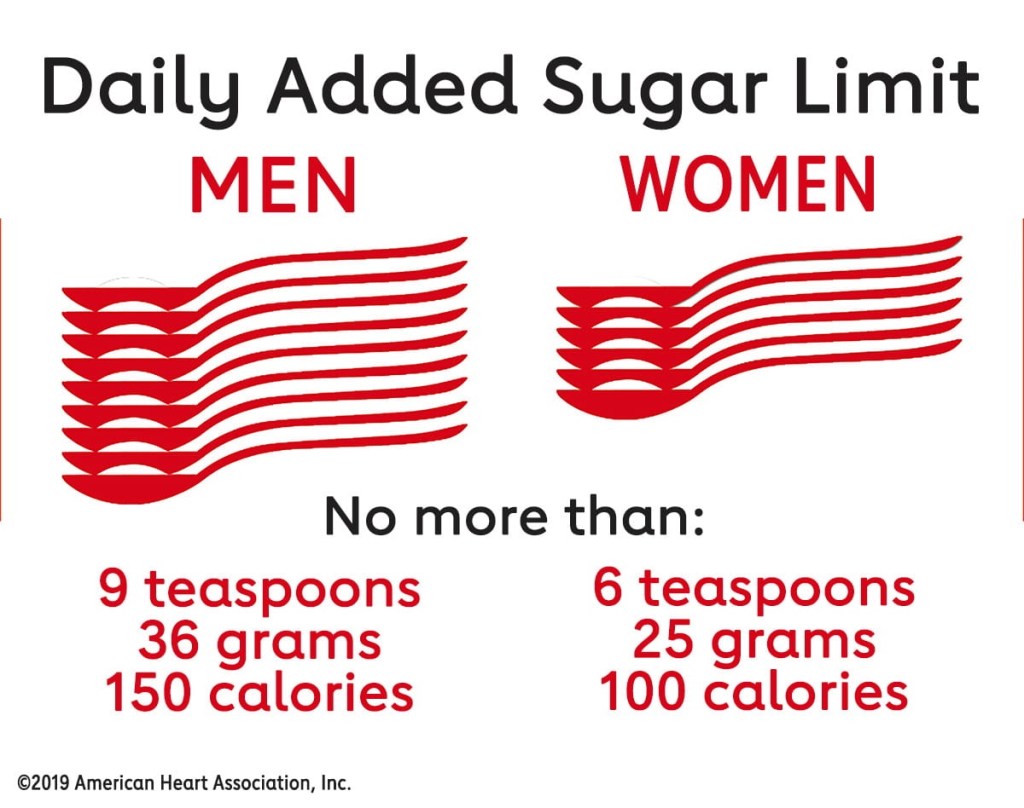
So let’s avoid consuming excessive sugar by following the American Heart Association guidelines above (7). Not only will it improve our health, but it will also make maintaining our weight easier!
(1). https://www.webmd.com/diet/what-to-know-about-high-fructose-corn-syrup
(2). https://www.webmd.com/diet/health-benefits-cane-sugar#091e9c5e82095058-1-1
(3). https://health.clevelandclinic.org/avoid-the-hidden-dangers-of-high-fructose-corn-syrup-video/
(4). https://pubmed.ncbi.nlm.nih.gov/23280226/
(5). https://www.healthline.com/nutrition/why-high-fructose-corn-syrup-is-bad
(7). https://www.heart.org/en/healthy-living/healthy-eating/eat-smart/sugar/added-sugars
 Maintain Weight Loss
I’ve been overall avoiding sugar and especially HFCS for years but it is
LikeLiked by 1 person
I think part of your comment got cut off. I’m sorry! But I’m guessing that the last part may have been that sweeteners are in everything. I’m thinking about ordering new ketchup and other condiments that are sugar free. But I still put sugar in my coffee. So hard!
LikeLike