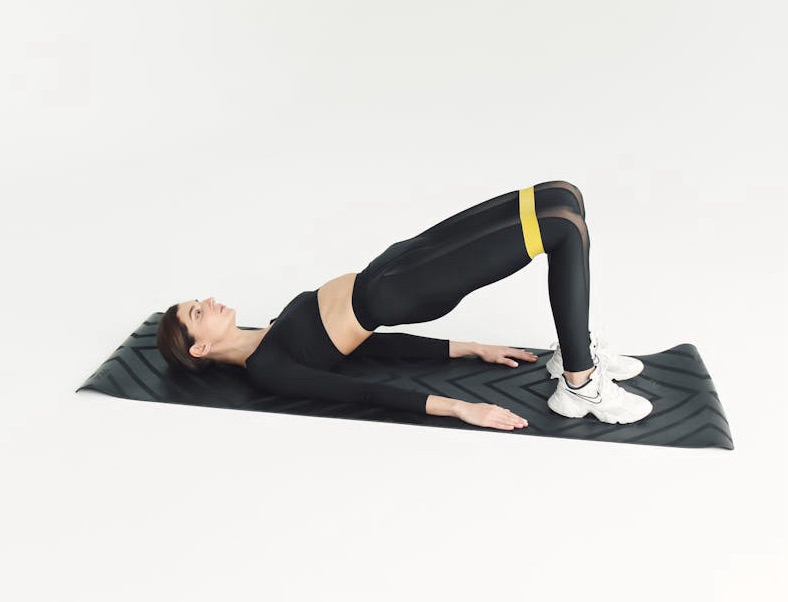
Everyone has pelvic floor muscles, although these exercises are more often associated with women. For women, these muscles have more functions as well as greater opportunity for injury, especially with pregnancy and childbirth. However, the weakening of these muscles can occur due to a variety of reasons, such as
“age, menopause, surgery, repeated heavy lifting, prolonged sitting, sexual abuse, or conditions that create pressure on the abdomen, such as excessive weight…certain habits, symptoms, or conditions can contribute…[including] endometriosis, irritable bowel syndrome, interstitial cystitis, and habitual patterns of avoiding or restricting bowel movements…
The pelvic floor comprises muscles and connective tissues. These soft tissues attach to your pelvis, and more specifically, to the bones at the bottom of the pelvis.
In all people, the pelvic organs include the urethra, bladder, intestines, and rectum. If you have a vagina, the pelvic floor also consists of the uterus, cervix, and vagina (1).
According to The Cleveland Clinic, pelvic floor muscles which are too tight are not as common as too loose. Tight muscles can lead to “constipation or difficulty moving your bowels, pelvic pain, back or hip/leg pain, painful intercourse, and difficulty” urinating (2). When these muscles are too loose or weak, the result may be:
- “Stress incontinence: Peeing or dribbling when you laugh, cough, sneeze or lift. It’s more common after childbirth, following prostate surgery or when there’s been an injury to your pelvis.
- Urge incontinence: Feeling the frequent urge to pee and being unable to hold it.
- Fecal incontinence: Struggling to control bowel movements.
- Anal incontinence: Struggling to control when you pass gas.
- Pelvic organ prolapse: Unsupported pelvic organs, like your uterus, rectum and bladder bulging into your vagina or causing a protrusion from the opening of your vagina” (2).
Before trying any of the exercises below, check with your doctor to find out if this course of action is appropriate for you. There are medical treatments which would likely be a better choice if your condition is more serious.
Let’s go beyond the Kegel exercises that we may associate with pregnancy. I don’t wish to give you any incorrect advice here, so it’s best that you speak to a medical professional about Kegels.
Instead, we will look at these more as a general fitness routine which will help support many forms of exercise and help to build a strong and stable abdominal core. I am providing links below to exercise routines that would be a good addition to your current program.
Runner’s World has an excellent set of exercises with videos to show how to perform them (3).
Livestrong also has a great group of exercises which include video and written instructions (4).
A shorter group of just three exercises are explained in Health (5). Kristen McGee demonstrates them slowly with a lot of detail. This one is a perfect place to start!
I hope that this introduction to the pelvic floor has piqued your interest. As with other forms of exercise, start small and slow, remembering that movement will help us to maintain our healthy weight.
(1). https://www.healthline.com/health/fitness-exercise/pelvic-floor-exercises#what-it-is
(2). https://my.clevelandclinic.org/health/body/22729-pelvic-floor-muscles
(4). https://www.livestrong.com/article/13769232-pelvic-floor-ab-workout/
 Maintain Weight Loss
Great exercises! Thank you
LikeLiked by 1 person
We keep trying!
LikeLike